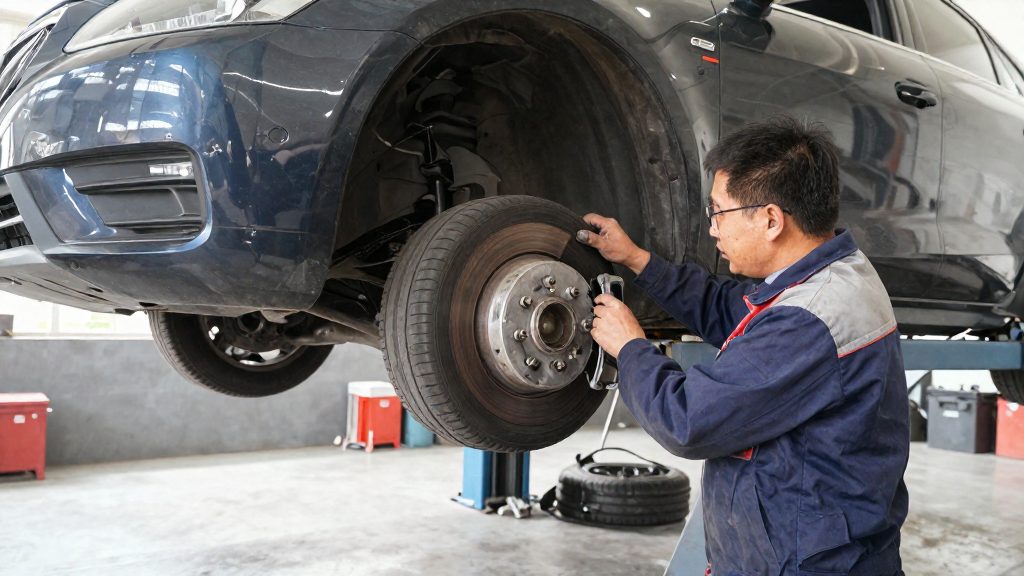
Vehicle inspection is set province by province in Canada, not nationally, so the answer depends on where a car is registered and what has happened to it. According to the official sources consulted, a routine periodic inspection applies to private passenger vehicles in Prince Edward Island, Nova Scotia and New Brunswick. Manitoba runs a 12-month cycle, but it excludes the typical personal car. Most other provinces check a vehicle only at a specific event, such as a sale, a transfer, an import or a change in salvage status.
How do periodic inspections work in the provinces that require them?
Prince Edward Island applies the shortest cycle. According to the Government of Prince Edward Island’s Motor Vehicle Inspection Regulations, registered vehicles must pass a periodic inspection at least every 12 months. The inspection is carried out by a provincially licensed technician and must be completed before the registration is renewed. The same regulation also requires an inspection after damage that makes a vehicle unsafe, and before a vehicle is sold.
Nova Scotia uses a two-year cycle for most passenger vehicles. The Classes of Vehicles to be Inspected at Official Testing Stations Regulations place passenger motor vehicles, except taxicabs, in the biannual group. An approval sticker stays valid for two years from the end of the month in which it was issued. Some older Service Nova Scotia material still refers to an annual inspection, so confirm the current schedule with the province before booking an appointment.
New Brunswick moved personal passenger vehicles to a two-year cycle in 2020. Regulation 2019-49 requires these vehicles to be tested at least once within 24 months after the certificate is issued. The Government of New Brunswick states that a new vehicle’s first inspection is valid for three years. Owners may inspect more often, and law enforcement officers retain the authority to order any vehicle inspected.
Manitoba’s 12-month periodic inspection is narrower than its name suggests. MPI lists regulated passenger vehicles among the vehicles inspected every 12 months, then excludes those owned by an individual and used solely for personal transportation. Trucks, trailers and certain buses fall within the annual group. The ordinary family car therefore sits outside the routine cycle.
The sources consulted do not show a routine cycle for private cars in Ontario, Alberta, British Columbia or Newfoundland and Labrador. In those provinces, the inspection is tied to an event, which the next section describes.
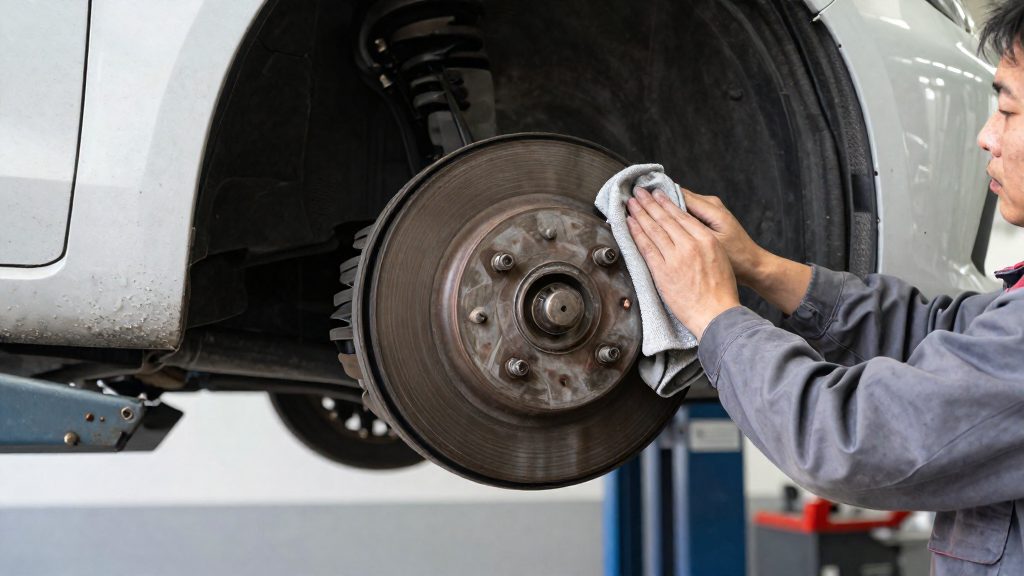
When does a sale, transfer or import trigger an inspection?
Ontario is the clearest example of an event-based system. According to the Government of Ontario (page updated 14 September 2026), a safety standards certificate is required when registering a rebuilt vehicle, when a used vehicle is transferred to a new owner, when registering a vehicle that came from another province, territory or country, and when a vehicle’s status changes from unfit to fit. A transfer to a spouse is exempt. The page does not describe a periodic inspection for private cars.
Newfoundland and Labrador requires an inspection before a used car, light truck or van is transferred. According to the Government of Newfoundland and Labrador, an inspection is valid only for 30 days after it is issued, so the transfer should be booked within that window.
Alberta requires a vehicle registered outside the province to pass an inspection before licence plates are issued. A vehicle declared salvage by an insurance company must undergo a Salvage Vehicle Inspection carried out by a licensed technician at a licensed facility. A pass changes the status from salvage to rebuilt, and the inspection certificate must be presented to an Alberta registry within 14 days of its issue. The Government of Alberta states that some out-of-province vehicles may be exempt, but only if they meet the conditions in its guidance on registering an out-of-province vehicle.
British Columbia requires a private vehicle under 3,500 kilograms that is registering in the province from another jurisdiction to be inspected at a designated inspection facility. The Province of British Columbia page, last updated 9 December 2025, lists exclusions, including vehicles registered and plated outside the province for touring longer than 30 days. A peace officer may also direct any vehicle to a designated facility if it appears mechanically unsafe or non-compliant.
Manitoba requires a certificate of inspection when the registered owner of a vehicle changes and when any vehicle is brought into the province. According to MPI, transfers to a spouse or common-law partner, a child or stepchild, or a parent are exempt, as are transfers through an estate.
Why should you confirm the rule with the registry before acting?
Vehicle inspection rules change, and several sources on this topic are dated. The Saskatchewan Government Insurance pro-driver page consulted is marked Revision 2019. Its inspection content covers commercial, for-hire and specialized vehicles, so the official sources consulted do not confirm the rule for a private car brought in from another province. Check with SGI before you import one.
Quebec is similar. The SAAQ pages consulted do not establish a periodic inspection for private cars. Its mechanical verification guide describes a mandatory check in specific cases, such as a vehicle that is not allowed to circulate or has been stored for a year or more. Ask SAAQ about your own situation before you transfer or import a car.
The official sources consulted do not specify the rules for Yukon, the Northwest Territories or Nunavut. Use the territorial registry directly.
An inspection checks the vehicle’s condition against the provincial standard on the day it is tested. A pass does not guarantee that the car will stay safe, which is why routine maintenance matters between inspections.
What should you check before buying, importing or re-registering a car?
Start by identifying which situation applies. A private sale, an inter-provincial move and a salvage repair each trigger different steps, and a single wrong assumption can mean a registration that is refused at the counter. Use the provincial registry’s own pages rather than a third-party summary.
Choose a facility the province recognises. Nova Scotia works through official testing stations, British Columbia through designated inspection facilities, and Alberta through licensed technicians at licensed facilities. A certificate from an unrecognised shop may not be accepted by the registry.
Do not drive a vehicle with salvage or rebuilt history until it has been inspected and re-registered. In Alberta, a salvage vehicle must be inspected and registered before it can be re-registered, so it should not return to public roads in the meantime. The same caution applies to any car that a peace officer has directed to an inspection facility.
Keep the inspection certificate and the registry receipt with the vehicle file. Because certificates have short validity periods in some provinces, bring the certificate to the registry promptly.
Finally, an inspection is a snapshot, not a service. For the maintenance intervals that keep your car safe between inspections, follow the schedule in the manufacturer’s owner documentation.
Frequently asked questions
Does Prince Edward Island exempt antique vehicles from inspection?
Antique vehicles are exempt from the annual periodic inspection under the Prince Edward Island regulations. They must, however, be inspected once to confirm authenticity, running order and safety before they receive antique plates.
Does a provincial inspection check for open safety recalls?
The official sources consulted do not specify that provincial inspections check for open recalls. Check your vehicle’s recall status separately through Transport Canada’s recall information.