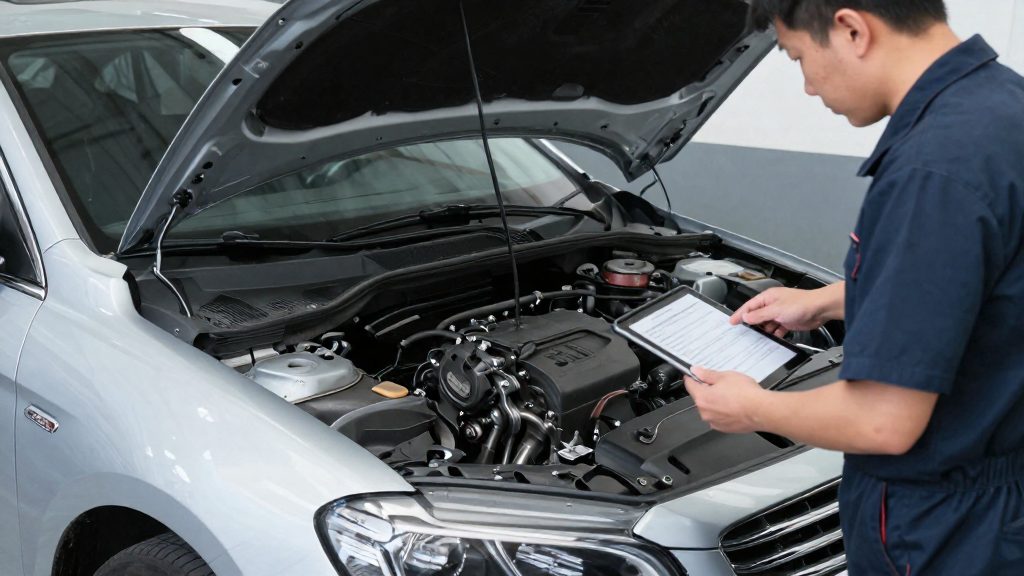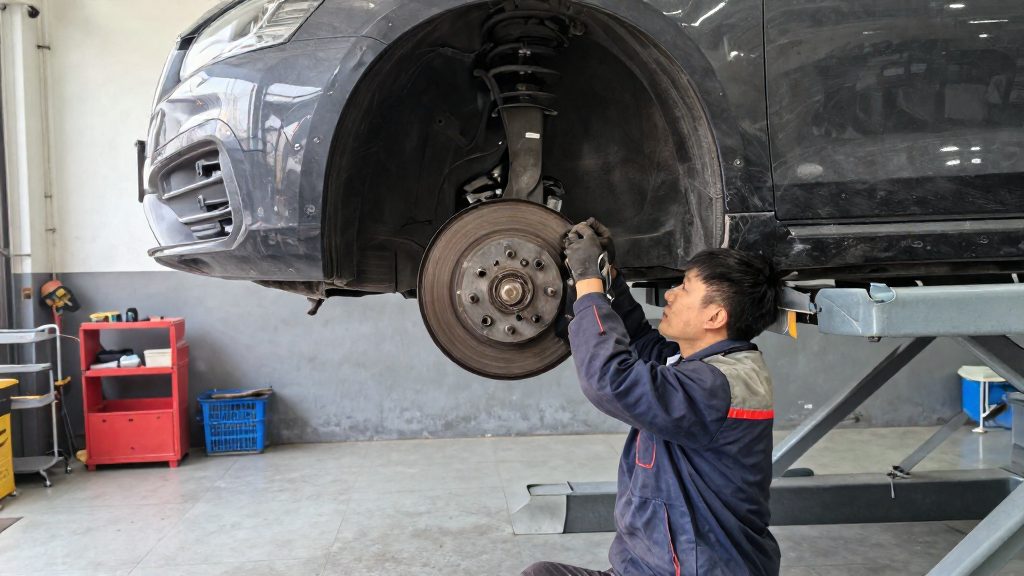
Canada has no single national rule for private sales. Each province and territory sets its own requirements, so the answer depends on where the vehicle is registered. In Nova Scotia, a used vehicle sold privately must show a valid inspection issued within 30 days before the sale, in the seller’s name. In Ontario, a safety standards certificate is required to transfer a used vehicle to a new owner, unless the new owner is the seller’s spouse. In British Columbia, the official source consulted lists no mandatory inspection for private sales. Recall checks work the same way across Canada and rely on the vehicle’s 17-digit VIN.
How do I know if my province requires an inspection?
Start with the vehicle registry of the province where the car is or will be registered. Rules change, and a private seller may not know the current requirements, so read the official page yourself before agreeing on a price. Ask the seller for any current inspection or certificate paperwork and for the vehicle identification number (VIN), then compare the VIN with the registration. This article relies on official pages for Nova Scotia, Ontario and British Columbia. For other provinces and territories, the official sources consulted did not confirm a general inspection requirement for private sales, so the provincial registry is the reference to use.
Why does Nova Scotia tie the inspection to the sale date?
According to Service Nova Scotia’s Registry of Motor Vehicles, the inspection must have been issued within 30 days before the sale date and must be in the seller’s name. The check therefore has to be recent relative to the sale, not an inspection done months or years earlier. If the seller’s inspection does not meet this test, the buyer has two routes. They can get their own valid inspection before the transfer, or ask the registry for a letter allowing an extra 10 days to get the vehicle inspected.
The form used for these sales also matters. If the seller and buyer both sign the “Sale of Vehicle Not Safety Approved” form, no permit is issued until the buyer has a valid inspection sticker in their own name. The registry sets two sticker lengths: two years for a type 1 vehicle and one year for a type 2 vehicle, both counted from the inspection date. Check the registry page to confirm which type applies to the car you are buying.
When is an inspection not required before a Nova Scotia sale?
The 30-day requirement does not apply to several kinds of transfer. These include transfers to an immediate family member as defined in the federal Income Tax Act, transfers of vehicles that are exempt from inspection, transfers from a lessor to a lessee when the lessor is not a dealer, sales to or between licensed dealers, sales to a salvage yard, transfers from a deceased person to their estate, and transfers into or out of joint ownership where one original owner remains an owner. Some vehicles are exempt from inspection altogether, including antique vehicles.
These exemptions apply to the 30-day pre-sale rule. The registry page does not list an estate exemption from the inspection itself, so confirm the category with the registry before assuming a transfer carries no requirement at all.
What happens if a used car fails inspection in Nova Scotia?
The owner or operator of a rejected vehicle has 10 days from the rejection date to correct the defects and have the vehicle re-inspected. If they return within that period to the original station, the station may not charge an extra inspection fee for the rejected items. The registry is clear that this window does not allow operating an unsafe vehicle, so move the car by tow or trailer until it passes.
What changes when a vehicle comes from another province or abroad?
Entry rules vary. In Nova Scotia, a used vehicle that must be registered there needs a Nova Scotia inspection no later than 30 days after entering the province and before registration. In British Columbia, a vehicle brought from another province needs only the provincial private vehicle inspection, usually abbreviated PVI. A vehicle from outside Canada needs a federal vehicle inspection plus a PVI. The BC authority advises contacting the Registrar of Imported Vehicles before buying a vehicle to bring into Canada.
How does Ontario’s certificate work in a private sale?
According to ontario.ca, a safety standards certificate (SSC) is needed when a used vehicle is transferred to a new owner, except to a spouse. The certificate is valid for 36 calendar days after the inspection, so a sale that drags on can leave the certificate expired before registration. The page says the seller should provide a certificate verifying safety standards where one is required, and that the buyer presents it at registration where applicable. The buyer must register as the new owner within 6 days of the purchase. Trailers, mopeds, off-road vehicles and snowmobiles do not need the certificate to be registered.
What does British Columbia require for a private sale?
The Vehicle Sales Authority of BC lists no mandatory inspection for private sales, but it recommends having a qualified mechanic inspect the vehicle. Its other recommended checks are these. Confirm that the seller’s ID matches the name on the registration. Confirm that the VIN on the dashboard matches the registration form, and look for signs of tampering. Compare the mileage with the vehicle’s age and condition, using about 25,000 km a year as an average. Test-drive the vehicle on local roads and on the highway. Search for liens against the VIN through the BC Personal Property Registry, BC Online or Service BC. The page suggests making the purchase conditional on the vehicle being free of liens at the time of sale.
For the transfer, ask the seller to go with you to the ICBC office to complete it, and file the paperwork before you pay. The authority warns that options are very limited if things go wrong after a private purchase, and that seeking compensation would mean going to court.
How do I check for open safety recalls?
Since 1 January 2025, designated vehicle manufacturers have been required to provide a VIN lookup tool on their websites, according to Transport Canada. Enter the 17-digit VIN and the tool shows which recalls apply to that vehicle. The department set mid-2026 as the deadline for full compliance, and that date has now passed, so a designated manufacturer’s site should offer the tool. Use the VIN from the vehicle itself rather than one copied from an advertisement.
If a manufacturer’s tool is unavailable, Transport Canada’s Motor Vehicle Safety Recalls Database also publishes recall notices. The consulted page does not say whether that database offers a VIN search, so test it before relying on it. Ask the seller for proof that any recall repair was completed, because an unrepaired recall means a defect the manufacturer has identified remains open on that vehicle.
Should a buyer pay for an inspection when none is required?
In most cases, yes. The BC authority recommends a mechanic’s inspection even though none is mandatory for private sales. A licensed mechanic can check things a buyer cannot judge on a test drive, such as the condition of the brakes, tires and underbody. Ask for a written report, and if it lists defects, use it to renegotiate the price or to walk away from the sale.
Frequently asked questions
Does a safety certificate guarantee that the car is in good condition?
No. Ontario’s safety standards certificate confirms that the vehicle met minimum safety standards on the inspection date. It is not a warranty or a guarantee of the vehicle’s condition.
What is a Used Vehicle Information Package?
In Ontario, the Used Vehicle Information Package (UVIP) is a set of documents that the Highway Traffic Act requires a seller to give the buyer when selling a used vehicle. Ask for it when buying privately in Ontario.
Can I check recalls with a licence plate number instead of a VIN?
The Transport Canada page describes the manufacturer lookup as a search by 17-digit VIN. The official sources consulted do not mention a search by licence plate.