The Government of Ontario does not publish a list of documents to bring to a safety standards inspection. For the visit itself, the practical answer is to bring the vehicle. Its official pages say the car must pass at a DriveON Vehicle Inspection Centre licensed by the Ministry of Transportation and that the certificate has a limited validity. For the registration or transfer that the certificate supports, you will need the papers listed below, and it is worth asking the centre what it needs before you book.
What does the safety standards certificate confirm?
A safety standards certificate confirms that a vehicle met the minimum safety standards on the day it was issued. It is not a warranty or a guarantee of the vehicle’s condition, so a pass describes the car on that date only. It says nothing about how the vehicle will perform later, or about parts that were not examined.
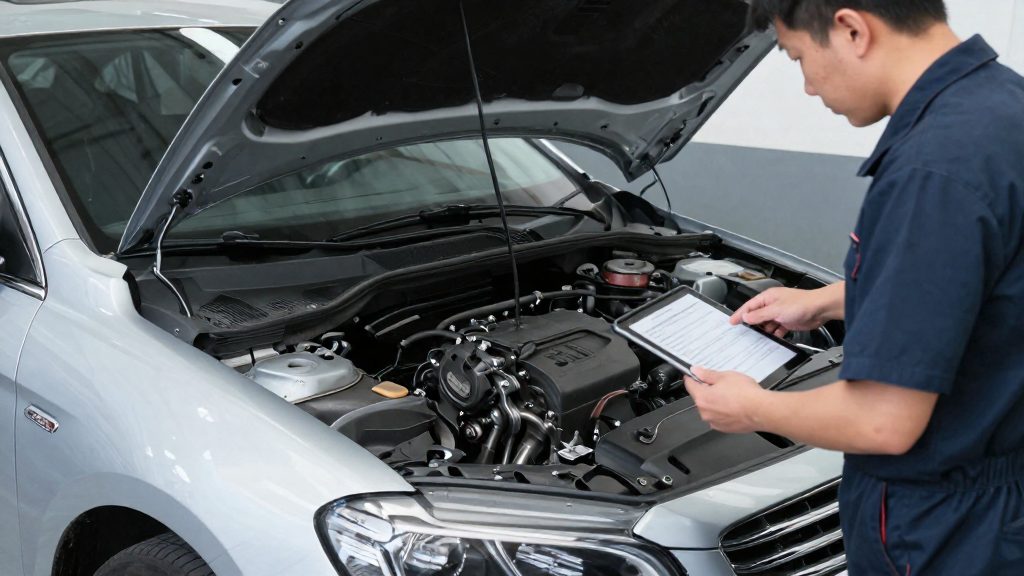
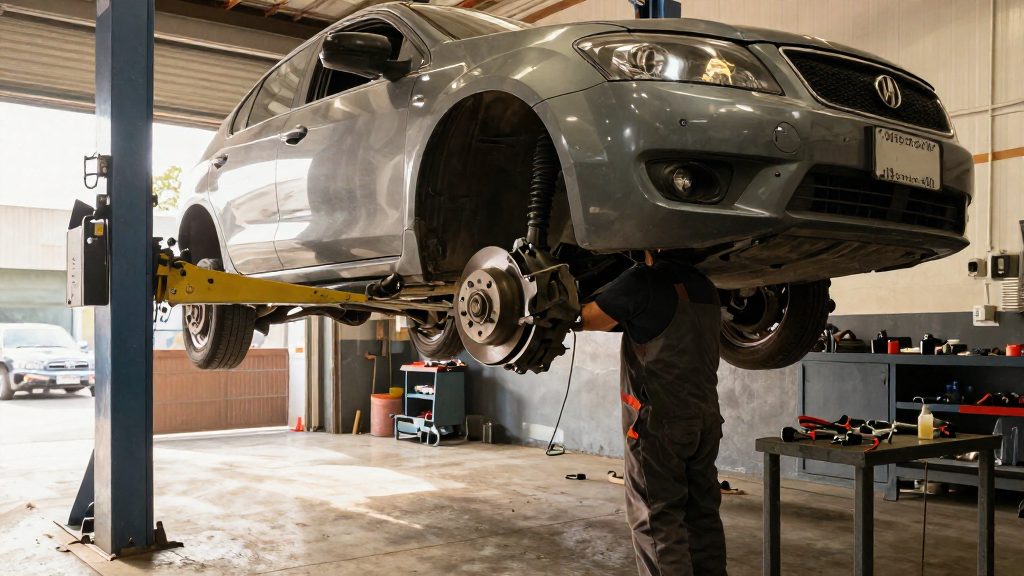
The inspection is carried out against government-regulated criteria, which are set out in the Passenger/Light-Duty Vehicle Inspection Standard. The technician must confirm that the vehicle meets the minimum mechanical fitness requirements before a certificate is issued. The certificate is issued only after a pass.
When do you need a safety standards certificate?
The Government of Ontario says you need a certificate when you are:
- registering a rebuilt vehicle;
- transferring a used vehicle to someone other than your spouse;
- registering a vehicle bought in, or brought from, another province, territory or country;
- changing a vehicle’s status from unfit to fit.
Without one, you cannot put a licence plate on a vehicle. The official pages consulted list exemptions for used motorized snow vehicles, off-road vehicles, motor-assisted bicycles and trailers. Transfers between spouses are also exempt from the certificate, but they require a spousal declaration instead.
How does the inspection fit into a transfer or registration?
The order matters. First, the vehicle passes the inspection. Second, within the 36-day window, you complete the registration or transfer at a ServiceOntario location with the other documents. If the certificate expires before the vehicle is registered, you must pay for a new inspection and a new certificate.
The official pages consulted do not say whether the emailed certificate must be printed, or whether a ServiceOntario counter accepts an electronic copy. Confirm this before your visit rather than assuming either way.
What should you bring?
For the inspection itself, the official pages consulted name only the vehicle. They do not list documents the owner must hand to the centre. For the transfer that follows, the Government of Ontario’s page on transferring a vehicle to a family member lists the following:
- the Vehicle Ownership Permit, with the portion on the back completed;
- proof of Ontario vehicle insurance;
- your Ontario driver’s licence;
- a safety standards certificate, unless the transfer is between spouses;
- a completed Sworn Statement for a Family Gift of a Used Motor Vehicle, for family gifts;
- a plate transfer declaration, only if the licence plate also moves, and only between spouses, parents and children.
That list applies to family transfers. The same page states that only one exempt transfer of the same vehicle between family members is allowed within a 12-month period. The official sources consulted do not give a full document list for a sale to a non-family buyer, so check with ServiceOntario before you go.
Where can you get the inspection done?
The certificate must come from a DriveON Vehicle Inspection Centre licensed by the Ministry of Transportation. Fees are set by each centre, and the Government of Ontario does not regulate them, so ask for the cost when you book.
Salvage vehicles follow a different path. They need both a Structural Inspection Certificate and a Safety Standards Certificate, and the centre must be able to carry out structural inspections. Once the Structural Inspection Certificate is submitted at a ServiceOntario location, the vehicle is re-branded from salvage to rebuilt.
How do you book the right appointment?
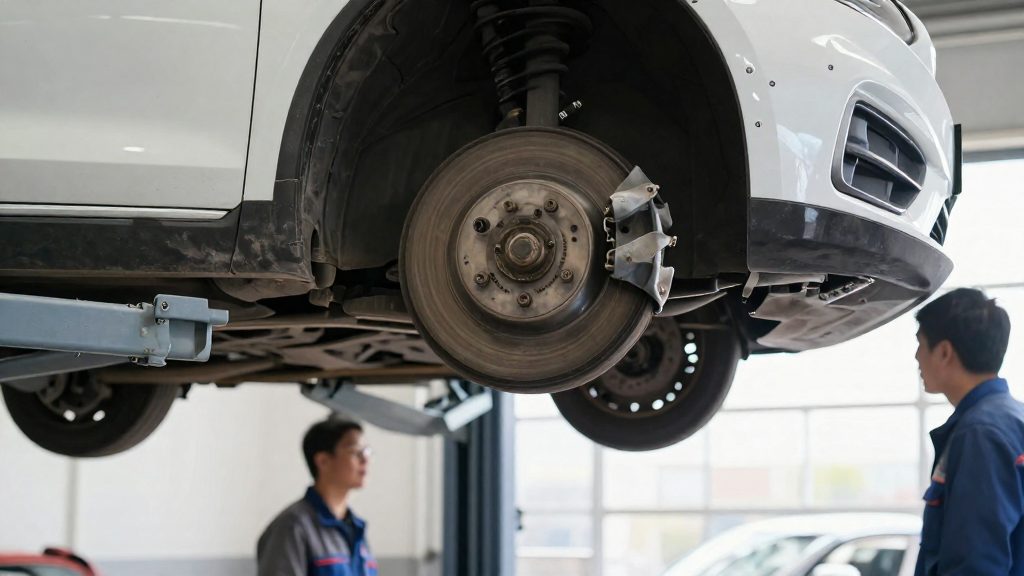
Start by finding a licensed centre through the DriveON portal, or by calling the DriveON Contact Centre toll-free at 1-833-420-2103. Then check the timing against the date you plan to register the vehicle, so the 36-day window does not run out before the paperwork is done.
When you call or visit, ask four questions. Ask what the inspection costs, since each centre sets its own fees. Ask what documents the centre needs from you on the day. Ask how long the visit takes, because the official pages consulted do not state a duration. Finally, ask how the certificate reaches you and whether it can be used at ServiceOntario as an electronic copy.
Why does the 36-day window matter?
The certificate is valid for 36 calendar days after the inspection, and the count starts on the inspection date, not on the day you begin the paperwork. Annual and semi-annual inspections at a DriveON centre also produce a certificate valid for the same 36 days. An inspection done months earlier, for example for insurance or a sale that did not go ahead, will therefore have expired.
Book the inspection for a week in which you can complete the registration or transfer, and keep the date written down.
How do you prepare the car before the appointment?
The official pages consulted do not publish a pre-inspection checklist, so the following is practical preparation rather than an official list. Before the visit, check the items you can safely look at yourself:
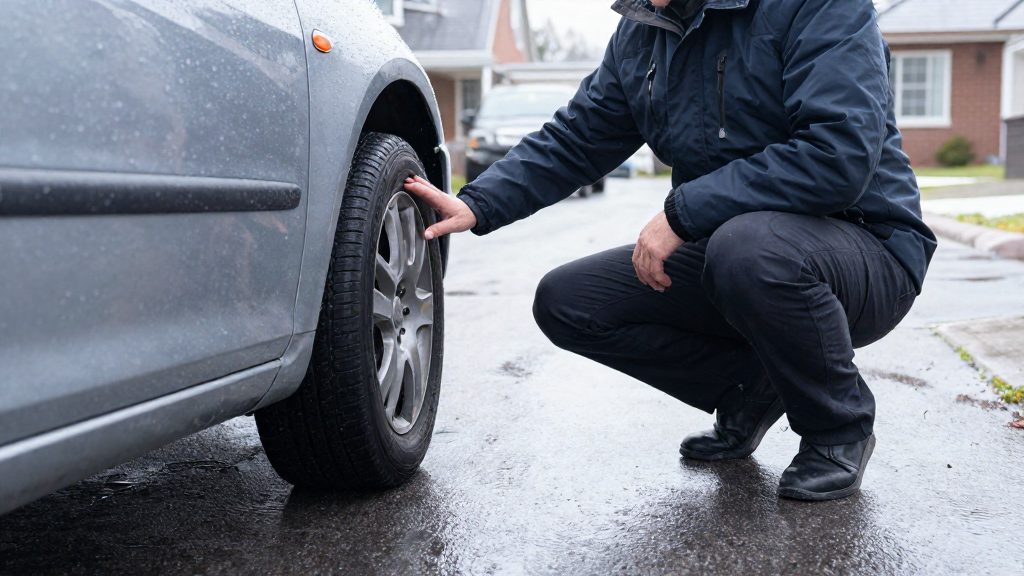
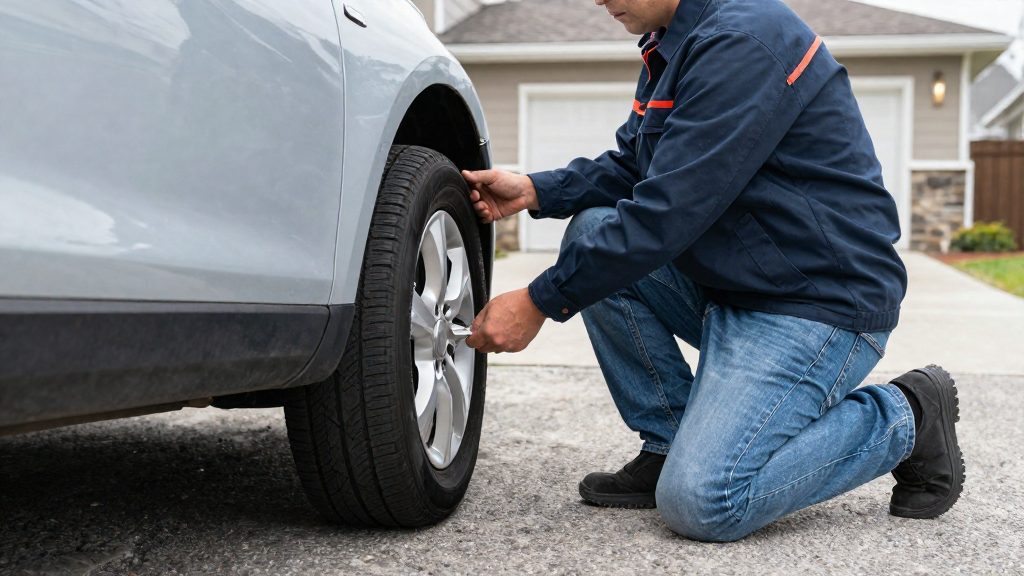
- tires: look for visible damage, bulges and uneven wear;
- lights and signals: check headlights, brake lights, turn signals and hazard lights, with a helper if possible;
- glass and wipers: clear the windshield, check the wiper blades and the washer fluid;
- horn and mirrors: confirm the horn works and that the mirrors are secure;
- brakes and steering: note any pulling to one side, a soft pedal or an unusual noise.
Remove loose items and heavy loads from the cabin and the trunk. If a warning light is lit, the brakes feel weak or the steering feels wrong, have the car checked before you drive it to the centre, or arrange a tow. A preparation check does not replace the inspection, and a pass does not replace the check, because the certificate is not a guarantee of the vehicle’s condition.
What happens if the vehicle fails?
The official pages consulted do not describe what happens after a failed inspection. They do not specify whether a re-inspection has a time limit or whether repairs must be carried out at the same centre, so ask the centre when you book. What the pages do confirm is that the certificate is issued only after the vehicle passes. A car that has not passed therefore cannot be registered on a certificate, and you should not plan the registration date until the pass is confirmed.
Frequently asked questions
Does a passenger car need an emissions test in Ontario?
No. The Government of Ontario’s emissions inspection page lists only heavy-duty diesel commercial vehicles for emissions tests. Passenger and light-duty vehicles are covered by the safety inspection criteria instead.
Can I look up a vehicle’s past safety inspections?
Yes, the DriveON page links to a tool called Find a vehicle’s safety inspection history. The official page does not explain what the tool shows, so check the tool itself for the details.
What should I do if a warning light is on before the appointment?
The official pages consulted do not address warning lights. As a precaution, have the cause checked before driving the car to the centre, or arrange a tow if the light relates to the brakes, steering or engine.