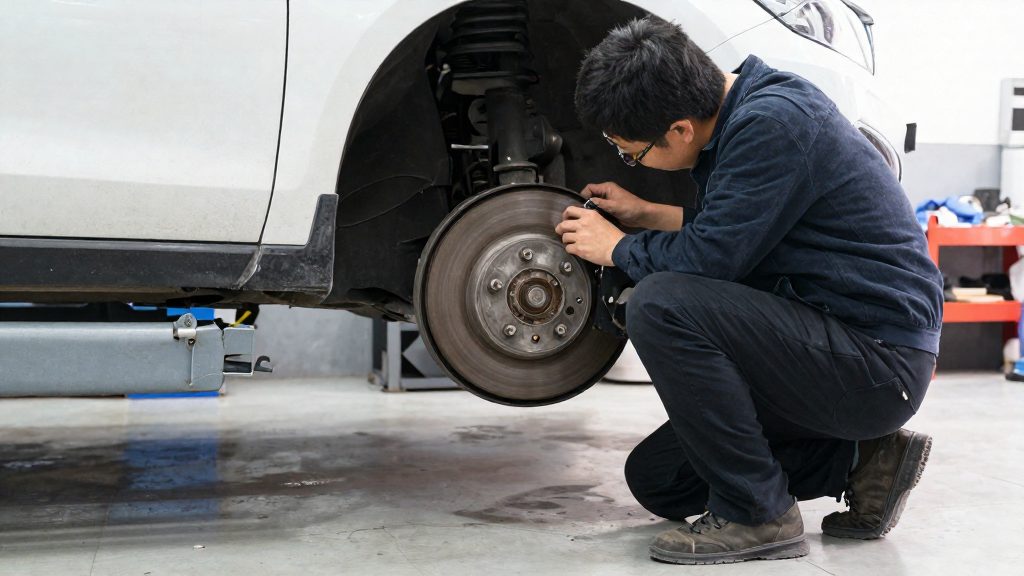
If you have received a car recall notice in Canada, read it in full, confirm that your vehicle is affected, and book the repair with an authorized dealer as soon as possible. Transport Canada says the correction is usually carried out free of charge by the vehicle manufacturer. Until the repair is done, follow any interim instructions in the notice. If the notice does not clearly tell you whether you can keep driving, contact Transport Canada before you do so.
What does a recall notice tell you?
A recall notice is the manufacturer’s formal warning about a safety defect. According to Transport Canada, in its vehicle safety advisory The Importance of Having Recalled Vehicles Repaired (January 2011), the notice must describe the defect, present an evaluation of the safety risk and explain how the defect will be corrected. Read those three parts first. The description tells you which system is involved, the risk assessment shows how serious the problem is, and the correction section explains what the dealer will do.
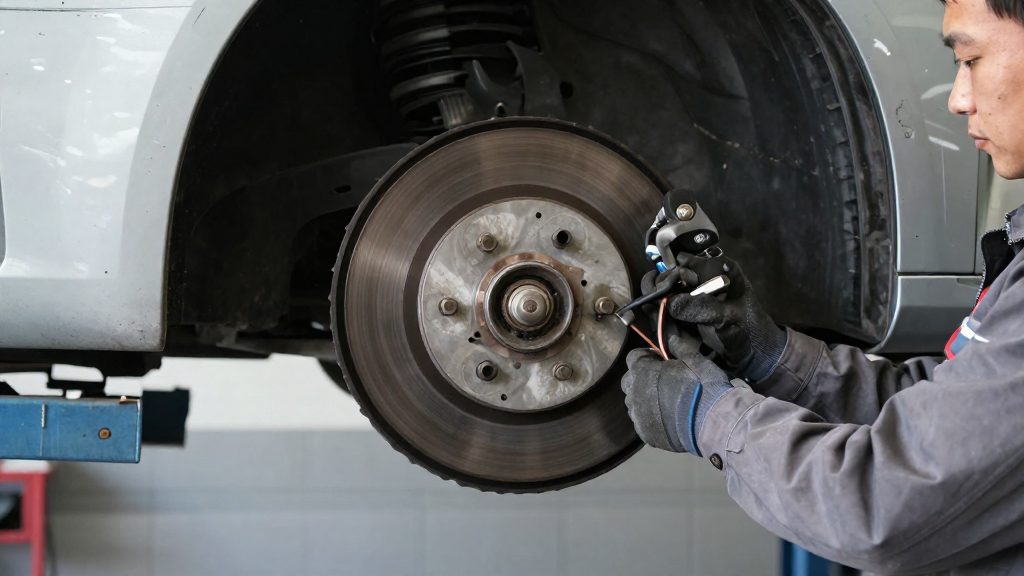
How do you confirm your vehicle is affected?
Your vehicle identification number, or VIN, is a 17-character code that identifies your specific vehicle, and it is the key to checking recalls. Transport Canada’s stay-informed guidance says you can enter the VIN on your manufacturer’s website to find out whether an active recall applies. Under amended federal regulations that took effect on January 1, 2025, designated manufacturers must provide a VIN lookup tool, and Transport Canada states that all manufacturers must comply by mid-2026, according to its news release of February 10, 2025.
For an independent government check, use Transport Canada’s motor vehicle safety recalls database, which covers recalls issued in Canada from 1970 to the present. If you prefer to speak to someone, an authorized dealer can check the VIN against the manufacturer’s recall records. Compare the recall number and description on the notice with what the lookup shows, so you are sure you are looking at the same campaign.
How should you book the repair?
Call an authorized dealer for your make, give them the VIN and the recall details from the notice, and ask for the first available appointment. Transport Canada advises owners to have recall repairs done as soon as possible. Bring the notice with you and keep the paperwork for the repair, including the invoice or work order that confirms the correction was made.
Parts shortages can delay the work. The official sources consulted do not set a general deadline for recall repairs, so ask the dealer when parts are expected and whether the manufacturer has issued interim instructions for your vehicle. If the dealer cannot give you a clear answer, contact Transport Canada directly.
Is the repair really free?
Transport Canada says the correction is usually carried out free of charge by the vehicle manufacturer, and that is the normal expectation for a notice issued under the federal rules. Be cautious with anyone who asks you to pay for work described in a recall notice before you have confirmed with the manufacturer or an authorized dealer what the notice covers. A genuine recall correction is arranged through the manufacturer’s network, not through a payment requested by a stranger.
When can you keep driving?
Transport Canada’s guidance does not state, in general terms, whether a recalled vehicle may be driven before the repair. It points owners to the notice and to the manufacturer’s interim instructions, and you should follow those instructions exactly as written. Some recalls carry stronger warnings. For certain airbag recalls, Transport Canada and manufacturers have issued a safety alert that strongly urges consumers not to drive the affected vehicles until they have been repaired, and states that replacement parts are available. If your vehicle is listed in such an alert, treat it as a do-not-drive instruction and call your dealer immediately to schedule the free repair.
If you are unsure what the notice means for your driving, call Transport Canada before using the vehicle, especially for long trips.
When you buy a used vehicle, what should you check?
Before buying a used vehicle, check its VIN for open recalls and have any outstanding repairs completed before you take possession. Transport Canada suggests asking the seller to carry out the work before the handover, and you can also ask an authorized dealer to run the VIN check for you if you cannot do it yourself. Keep a copy of the lookup result or the dealer’s written confirmation, so you can show that the recall was dealt with at the time of the sale.
Why check even if no notice has arrived?
A recall notice only reaches you if the manufacturer has your current details, so a notice can miss an owner who has moved or changed ownership. The official sources consulted do not set a fixed interval for checking, so a sensible habit is to check the VIN after any change of ownership, and whenever you hear about a recall affecting your model.
Why keep the manufacturer informed of your address?
Manufacturers obtain owner addresses in different ways. For newer vehicles they use buyer warranty registrations. For older vehicles, and for vehicles that have been resold, they rely on provincial motor vehicle registration records. Transport Canada advises owners of used vehicles to register them with the manufacturer so they receive future recall notices, and to tell the manufacturer about any change of address when they move.
Frequently asked questions
Is a recall repair the same as a warranty repair?
The official sources consulted do not compare the two. A recall notice describes a safety defect and its correction, so follow the notice and the manufacturer’s instructions for your vehicle.
Can I check a vehicle I am importing?
Transport Canada says vehicles being imported can be checked for recall clearance, but the official sources consulted do not describe the steps, so ask Transport Canada directly.