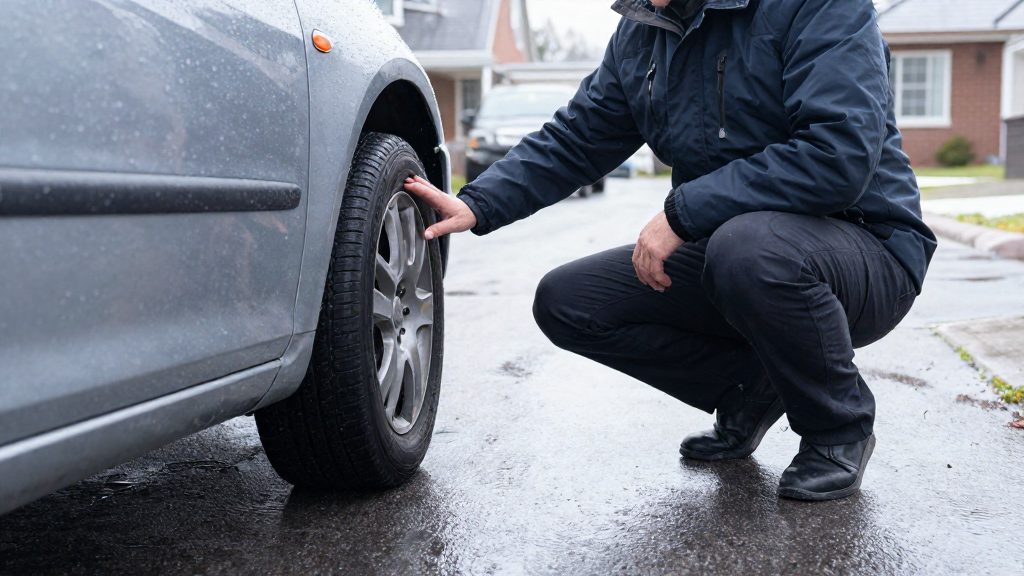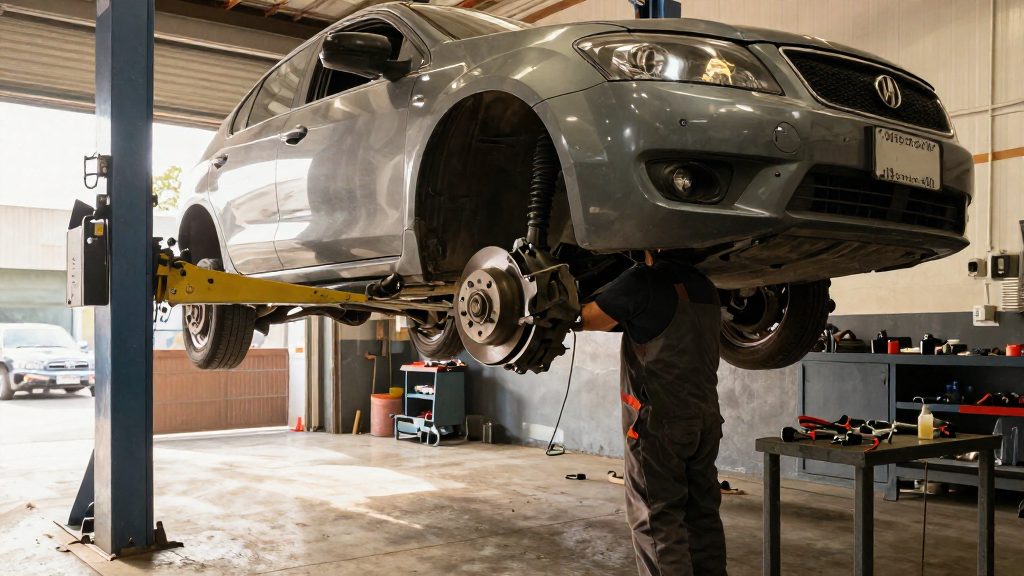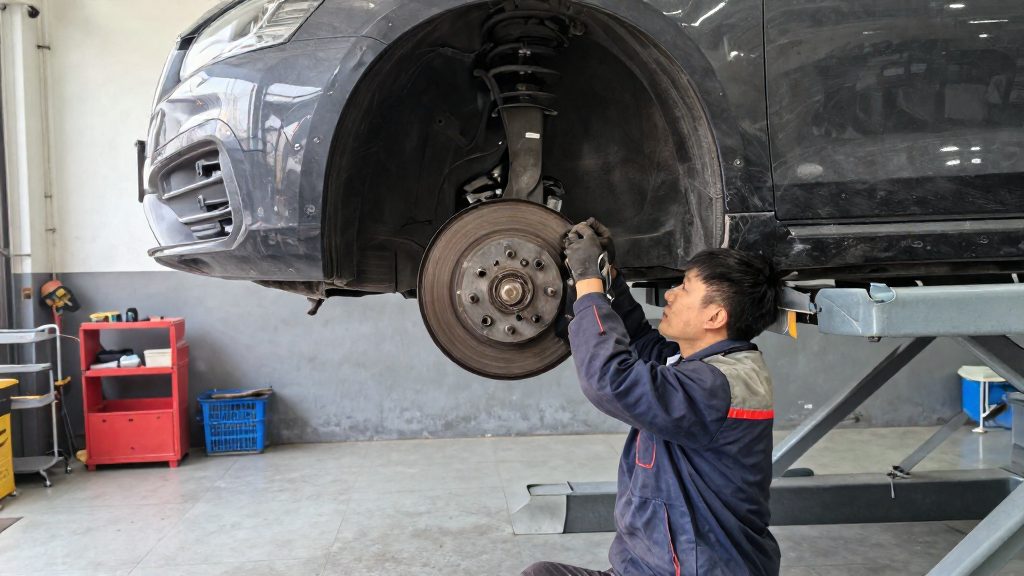
In Ontario, you need a safety standards certificate (SSC) in four situations: when you register a rebuilt vehicle, when a used vehicle changes owner, when you register a vehicle that came from another province, territory or country, and when a vehicle’s status changes from unfit to fit. The certificate is issued only after a licensed inspection, it is valid for 36 calendar days, and it confirms that the vehicle met minimum safety standards on the day it was inspected. This guide explains each case, who can inspect, how long the certificate lasts, what sellers and buyers must provide, and what to check before you book.
When do you need a safety standards certificate?
The Government of Ontario ties the SSC to registration events rather than to routine driving. Renewing an existing registration is not among the situations listed, so the certificate matters most when a vehicle is changing hands, arriving from outside the province, or returning to fit status.
A rebuilt vehicle needs one before it can be registered. A used vehicle transferred to a new owner needs one too, subject to the spouse exemption explained below. A vehicle you bring in from another province, territory or country also needs one at registration, and so does a vehicle moving from unfit to fit status.
Salvage vehicles follow a separate path, and the steps are easy to get wrong. To register one, the official guidance calls for an inspection at a specialized DriveON centre, plus both a Structural Inspection Certificate and an SSC. Submitting the structural certificate at a ServiceOntario location re-brands the vehicle as rebuilt, so confirm the vehicle’s category before you submit any paperwork.
Why is the certificate not a guarantee of condition?
The Government of Ontario states that the certificate is not a warranty or guarantee of the vehicle’s condition. It confirms that the vehicle met minimum safety standards on the day it was inspected, and nothing more. A vehicle can pass and still develop faults later, so a passed inspection should not replace your own checks or an independent mechanical assessment when you buy a used car.
The certificate is nonetheless mandatory where the rules above apply. You cannot put plates on a vehicle without one. Treat it as a legal registration step and a minimum standard, not as a quality rating.
Who can inspect your vehicle and issue the certificate?
Only a DriveON Vehicle Inspection Centre licensed by the Ministry of Transportation can inspect the vehicle and issue the SSC. Once the vehicle passes, the certificate is emailed to you, so make sure the email address on your booking is correct and keep the message until registration is complete.
Centres must apply government-regulated criteria. Passenger and light-duty vehicles are assessed against the Passenger/Light-Duty Vehicle Inspection Standard, dated March 2022, which is linked from the government page. Motorcycles and salvage vehicles have their own rules. The official sources consulted do not list the individual inspection checks, so refer to the standard for the detailed criteria.
The government does not set inspection fees. Each station sets its own, so fees and appointment options vary from one centre to another. Ask the centre directly before you go.
How long is the certificate valid?
The SSC is valid for 36 calendar days after the inspection. Annual and semi-annual DriveON inspections also count for 36 days. Calendar days include weekends and holidays, so count from the inspection date, not from the next business day.
If the certificate expires before you register, you must pay for a new inspection and a new certificate. Plan the booking so that the 36-day window covers your registration appointment with some margin to spare.
What changes when you buy or sell a used vehicle?
Sellers have legal duties under the Highway Traffic Act. Before the sale, the seller must buy a Used Vehicle Information Package (UVIP) and confirm that the VIN on the vehicle matches the permit. The seller must give the UVIP to the buyer. It shows any lien or debt on the vehicle, meaning a security interest that ensures the owner pays outstanding debt. Questions about liens can go to the Personal Property Security Branch. The seller must also provide an SSC if one is required for the transfer, and the official guidance advises sellers to look for an Ontario DriveON sign when choosing where to have it done.
Buyers have their own steps. Bring the SSC to registration if it applies. Register your name as the new owner within 6 days of the purchase. The bill of sale must be signed and dated by both buyer and seller. In most cases the buyer pays retail sales tax at registration, not the seller. Vehicles that are 20 years old or older require an appraisal, so check the vehicle’s age before you agree on a sale.
The official guidance also covers fraud in private sales. Before you pay, physically inspect the VIN on the vehicle itself, not only on the paperwork, and confirm that the name on the permit matches the seller. Once the sale is complete, sellers should remove their plates or store them securely.
Which vehicles are exempt?
Used motorized snow vehicles, off-road vehicles, motor-assisted bicycles such as mopeds, and trailers are exempt from the SSC requirement. Transfers to a spouse are also exempt.
Motorcycles are not on the exemption list and have their own inspection rules, so do not assume they are exempt. Check which category your vehicle falls into on the government page before you plan your registration, because an exemption applies to a specific vehicle type rather than to every vehicle on the road.
What should you check before booking an inspection?
Start with the paperwork. If you are buying, ask the seller for the UVIP and confirm that the VIN on the vehicle matches the permit. If you are selling, have the UVIP ready before you meet the buyer. Then confirm which situation applies to you: a transfer, an import from another province, territory or country, a rebuilt vehicle, a salvage vehicle, or a change from unfit to fit. The required steps differ by path, and using the wrong one can delay registration.
Next, schedule with the 36-day window in mind. You can book through the DriveON portal or call the DriveON Contact Centre at 1-833-420-2103. Ask the centre which documents to bring and about its fees, because the official sources consulted do not specify the documents or the appointment process.
Finally, plan the registration appointment together with the inspection. The SSC is only useful if it is still valid when you register, and the buyer’s 6-day deadline runs from the purchase date, not from the inspection. Keep the inspection email, the UVIP and the signed bill of sale with you when you go to register.
Frequently asked questions
Do I need a safety standards certificate to renew my plates?
The official sources consulted list the situations that require an SSC, and routine renewal of an existing registration is not among them. If you are unsure whether your case falls under one of the listed situations, confirm with ServiceOntario or the DriveON Contact Centre before you book.
Does the UVIP show whether a vehicle has been in an accident?
The official guidance describes the UVIP as showing any lien or debt on the vehicle. The official sources consulted do not say that it reports accident history, so ask the seller for the vehicle’s history separately.
What happens if the inspection centre finds a problem with my vehicle?
The official sources consulted do not describe the repair or re-inspection steps when a vehicle does not pass. Ask the centre how the process works when you book, and check the vehicle’s manufacturer documentation for repair guidance.