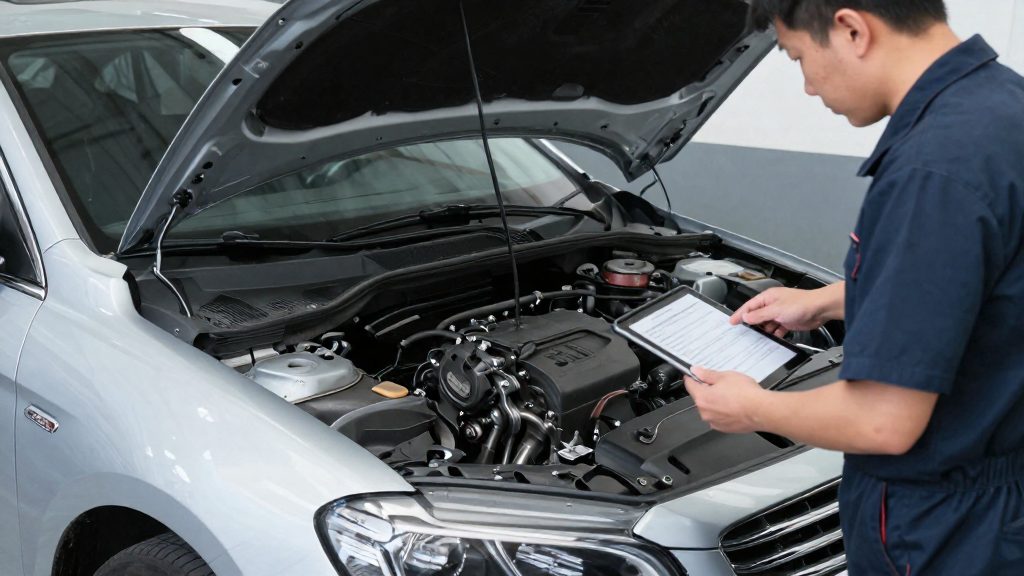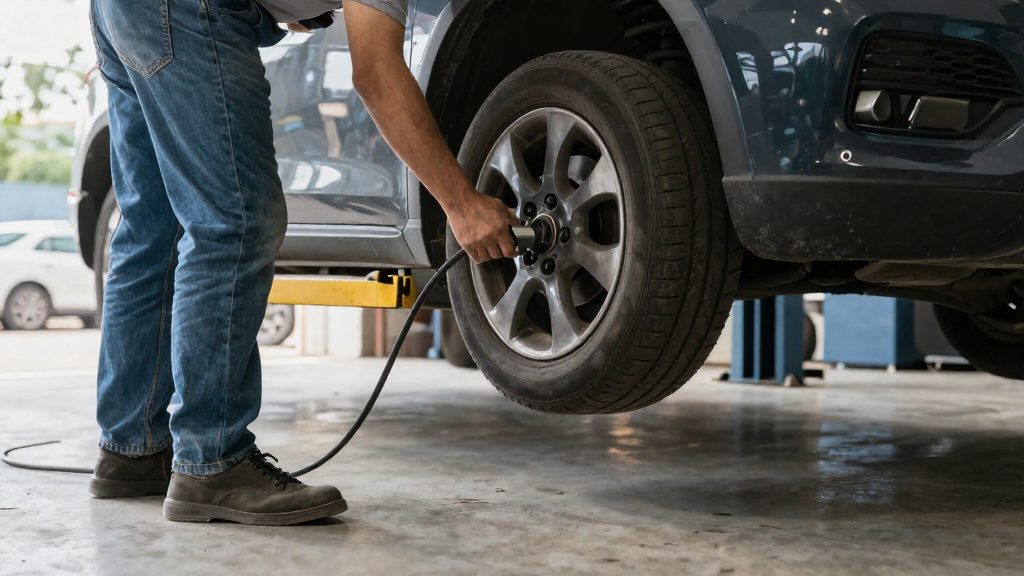
When the ABS warning light stays on after the engine has started, the anti-lock braking system has detected a fault and is no longer controlling wheel lock during braking. According to Transport Canada, the conventional brakes still work, but the system should be inspected as soon as possible. If the ABS light and the brake warning light are both on, do not drive the vehicle.
What does a steady ABS light mean?
The ABS light normally comes on for a few seconds when you switch the ignition on, while the system runs its self-check. That is expected. If it goes off once you are moving, the system is working. If it stays on, the anti-lock function has been switched off because the control unit has logged a malfunction. Transport Canada’s archived ABS guidance says the conventional braking system still works in this case, but anti-lock is not available.
In practice, the pedal will still stop the car. However, if you brake very hard, a wheel can lock and skid, and you may lose steering control. On many vehicles, the brake assist function that relies on the ABS is also disabled, so an emergency stop may need more pedal pressure than you expect. Your owner’s manual will confirm what your model does.
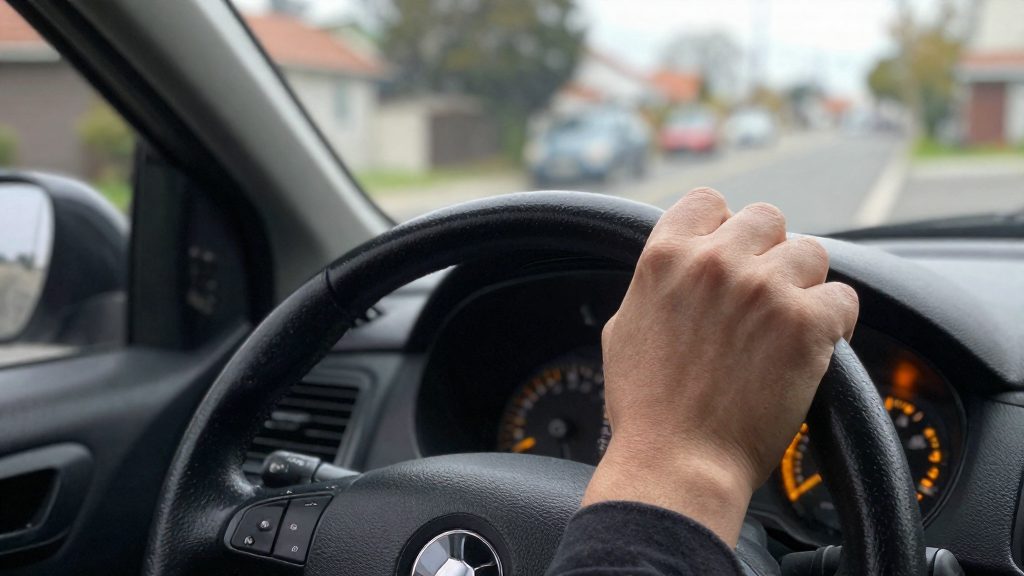
When should you stop driving with the ABS light on?
Stop driving if the ABS light and the brake warning light are both on. Transport Canada’s archived guidance is direct on this point: do not drive the vehicle, because the brakes may not be working, and have it towed to a dealer. Do not test it by driving slowly to the garage.
Treat any change in how the brakes feel as urgent too. That includes a pedal that sinks further than usual, a pedal that feels spongy, or a car that pulls to one side when you brake. Stop in a safe place and arrange towing or a qualified repairer rather than continuing a long trip. The official sources consulted do not list every warning sign, so your owner’s manual is the reference for what the brake warning light means on your model. The Transport Canada guidance consulted is an archived copy from 2007, and the official sources consulted do not confirm that its wording is unchanged, so check it against the current manual for your vehicle.
Why does the ABS light stay on?
Several causes are common, but only a qualified repairer can confirm which one applies, because the system stores fault information that a technician reads with diagnostic equipment. Typical causes include a wheel speed sensor that is dirty, damaged or disconnected, damaged wiring near a wheel, or a fault in the control unit itself.
A weak battery is a frequent and easily overlooked cause. If the light came on after a jump-start, or after the battery went flat, the low voltage can trigger it. Owner’s manuals generally recommend recharging the battery first, then checking whether the light goes off after normal driving. If it returns, do not assume the battery was the whole problem.
A partly released parking brake can keep a brake-related light on, so check it before anything else. Brake fluid matters too. If the brake warning light is also on, check the level in the reservoir. A low level can point to a leak, and topping up does not repair one.
How should you drive until the car is checked?
If only the ABS light is on and the brakes feel normal, book a check with a qualified repairer as soon as possible rather than leaving the fault for later. Until then, leave more room than usual between you and the vehicle ahead, because a car without anti-lock needs more distance to stop. Brake gently and early, and avoid hard braking on wet, icy or gravel surfaces, where a locked wheel is most likely.
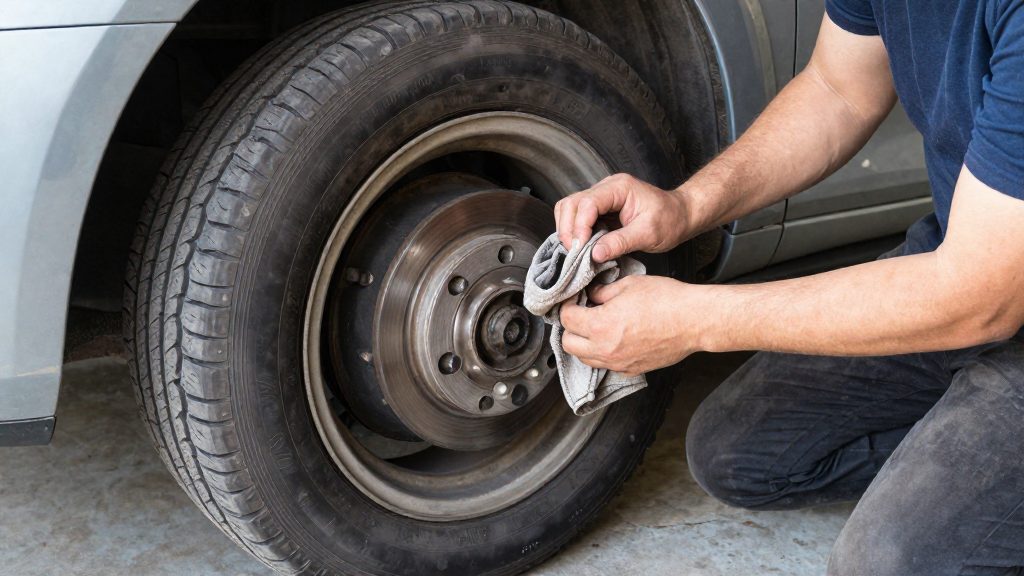
What can you check yourself before going to the garage?
Keep your checks simple and safe:
- Parking brake: confirm it is fully released, especially if the brake light is on.
- Battery: if the car has been jump-started or the battery is old, ask for it to be tested, and check that the terminals are clean and tight with the engine off.
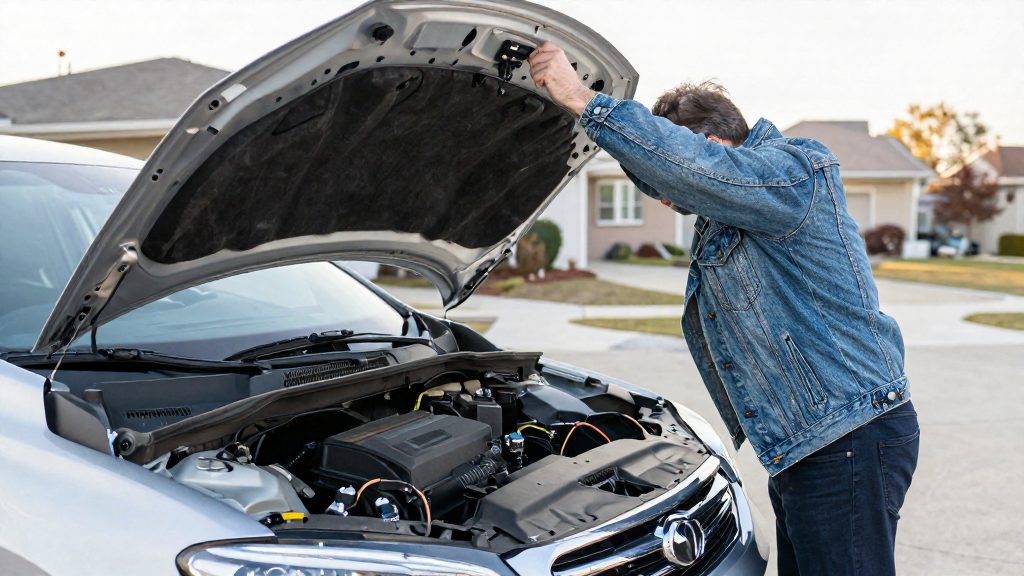
- Brake fluid: with the car on level ground and the engine cold, check the level against the MIN and MAX marks on the reservoir.
- Owner’s manual: find the section on the ABS and brake warning lights, which explains your model’s specific meaning.
Stop if a check requires removing parts or working under the car.
How do you check for recalls in Canada?
A recall is a manufacturer-led action to fix a safety defect. According to Transport Canada (2025), more than one in five vehicles in use on Canadian roads has an unresolved safety recall, so it is worth checking even if the car seems fine. An ABS fault can be covered by a recall, which is why a check is useful.
Use the 17-digit vehicle identification number (VIN), which is shown on your registration documents and on the vehicle itself. Since January 1, 2025, designated manufacturers must provide a VIN lookup tool on their websites, and all manufacturers must comply by mid-2026. You can also search Transport Canada’s Motor Vehicle Safety Recalls Database. If a recall applies, contact a dealer to book the repair.
What should you tell the repairer?
A clear description saves diagnostic time. Note when the light came on, whether it appears only at start-up or stays on while driving, whether the brake warning light is also lit, and any jump-start or battery work. Mention recent repairs near the wheels and describe how the brake pedal feels. Ask the repairer to read the stored fault codes from the ABS control unit, to explain the result in writing, and to confirm whether any recall applies to your VIN.
Frequently asked questions
Can I report an ABS problem that is not covered by a recall?
Yes. Transport Canada accepts reports of suspected safety defects, even when no recall exists. You can call 1-800-333-0510 or use the online defect complaint form on Transport Canada’s website.
Can a dealer check recalls on a used car before I buy it?
According to Transport Canada, a dealer can check the VIN against the manufacturer’s recall records. Ask for this check before you commit to a used vehicle.
What if the ABS light comes on and then goes off while I am driving?
The official sources consulted do not address intermittent lights directly. A light that comes back is a reason to book a check with a qualified repairer rather than waiting for it to stay on.
Is it legal to drive with the ABS light on in Canada?
The official sources consulted do not set out a national rule on this point. Check your province’s vehicle inspection requirements and your owner’s manual, and do not drive if the ABS and brake warning lights are both on.