A safety inspection rejection sticker is the mark an inspector applies when a vehicle has failed part of a mandatory safety inspection. In Nova Scotia, the owner or operator has 10 days from the date of rejection to have the defects corrected and the vehicle re-inspected, and that window does not allow an unsafe vehicle to be driven in the meantime. The sticker is not a pass. This guide explains what it means, what to do next, when a rejected vehicle may be driven, and how the rules differ in Ontario.
What does a rejection sticker mean?
Under Nova Scotia’s Motor Vehicle Inspection Regulations, a rejection sticker is a sticker issued by a tester or vehicle inspector. Section 20 requires the inspector to issue one, together with a matching inspection certificate, when an inspected part fails the applicable standards or is missing from a vehicle that is designed to have it. The sticker records that the vehicle did not meet the standard on the day of inspection. Read the inspection certificate that comes with it, because that is where you find which items failed.
There is one placement detail that surprises many owners. If the inspector believes the vehicle is unroadworthy, the sticker must not be affixed to the vehicle. Under section 21 it is attached to the copy of the certificate that goes back to the Department instead. A rejected car may therefore have no sticker on its windshield at all. The absence of a sticker does not mean the vehicle passed.
How should you respond to a rejection?
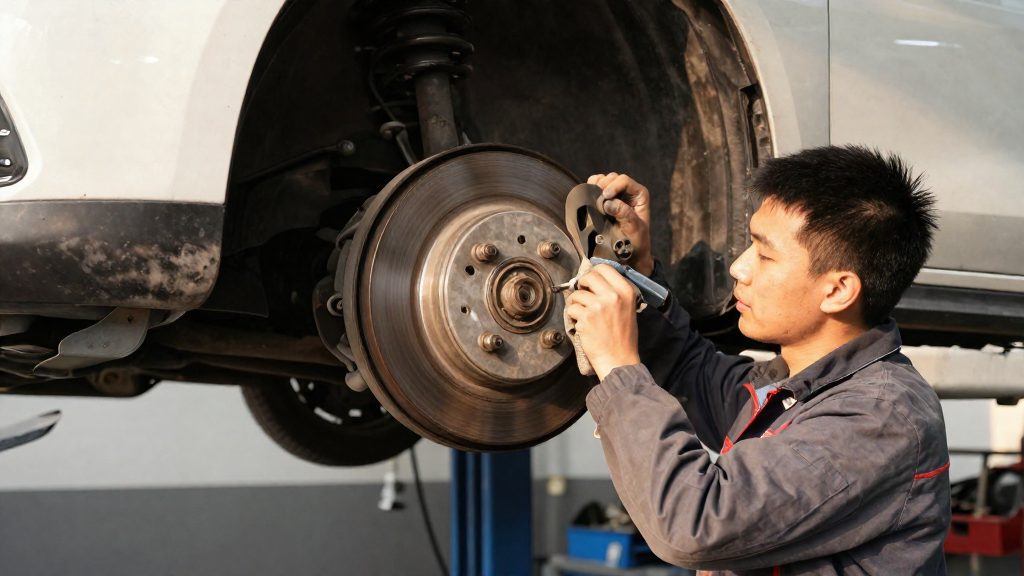
Start by reading the inspection certificate line by line and asking the station to explain any item you do not understand. Write down each failed item in plain words so you can compare it with the repair quotes you receive. The owner is responsible for having the defects corrected, but the official sources consulted do not say which repair shop must do the work. Choose a qualified mechanic who can document the repairs in writing.
If a failed item affects braking, steering, tires, lighting or windshield visibility, treat the vehicle as out of service until it has been repaired. Do not rely on a rough estimate of what is safe. The manufacturer’s documentation for your model gives the correct specifications for brake components, tires, bulbs and steering parts, and a qualified technician can apply them. If you are unsure whether the vehicle can be driven safely, arrange towing to the repair shop instead.
How long do you have to repair and re-inspect?
The period for correcting defects and re-inspecting a rejected vehicle is the one stated at the start of this guide. The clock begins on the date of rejection, and the day the sticker is issued counts toward it. Under sections 24 and 27 of the regulations, the owner or operator must return the vehicle to an official testing station before the rejection sticker expires. If the repairs will take longer, the owner may apply to the Registrar for an extension, and the Registrar or a designate decides whether to grant it under section 24(6).
According to the Nova Scotia Registry of Motor Vehicles (2026), the station that carried out the original inspection may not charge an additional inspection fee for re-inspecting the rejected items if the vehicle comes back within the period. This applies only to the rejected items and only within the period, so ask the station to confirm what is covered before you book.
When can a rejected vehicle be driven?
The repair period does not mean you can drive the car as it is. The Registry states that the period does not permit operation of an unsafe vehicle. The regulations are stricter in form: under section 26(2), an owner or operator must not operate a vehicle without a valid inspection sticker in place and a valid inspection certificate, subject to the exceptions the regulation lists. A rejected vehicle generally lacks a valid approval sticker, so the cautious reading is that it should not be driven on public roads except for a trip to the repair shop or the testing station, and only if the defects allow it to be driven safely.
One exception exists for a roadworthy vehicle that cannot pass. Under section 21A, the owner may ask that the vehicle keep its existing valid sticker, provided that sticker remains valid for at least 10 days from the inspection date. This is a reading of an unofficial consolidation of the regulations, not a legal opinion. If you are in doubt, call the testing station or the Registry before you drive.

How long is an inspection sticker valid?
In Nova Scotia, the validity of a passing inspection sticker depends on the vehicle’s type and on whether it is new or used. According to the Nova Scotia Registry of Motor Vehicles (2026), a new Type 1 vehicle receives a sticker with a three-year expiry date, and a new Type 2 vehicle receives a one-year expiry date. A used Type 1 vehicle receives a two-year expiry date, and a used Type 2 vehicle receives a one-year expiry date. In each case the period is counted from the month of inspection.
The Registry’s page does not reproduce the full definitions of Type 1 and Type 2 vehicles. Check those definitions on the Registry’s terms page, or ask the Registry, before you plan your next inspection, because the category determines the validity period.
Do you need a safety inspection in Ontario?
Ontario has its own system, and the Nova Scotia rules described above do not apply there. The Government of Ontario (updated September 14, 2026) lists four situations in which a safety standards certificate is required: registering a rebuilt vehicle, transferring a used vehicle to a new owner unless the new owner is a spouse, registering a vehicle bought in or brought from another province, territory or country, and changing a vehicle’s status from unfit to fit. The certificate is valid for 36 calendar days after the inspection.
If you do not fall into one of these situations, the Ontario page does not require you to obtain the certificate. Drivers in other provinces should consult their own provincial vehicle authority rather than applying the Nova Scotia or Ontario rules directly.
Where can you check the official rules?
Start with the official source for your province. For Nova Scotia, the Registry of Motor Vehicles safety inspection page is the entry point. Its Official Inspection Station Manual was revised in April 2009, so confirm on the Registry’s site whether a more recent version exists before relying on it. The Motor Vehicle Inspection Regulations are published as an unofficial consolidation on the Nova Scotia Department of Justice website, so check the current text with the Registry when a point matters. For Ontario, the Government of Ontario’s safety standards certificate page is the reference.
For a specific vehicle, the manufacturer’s documentation remains the reference for parts and specifications, and the testing station can explain the items that failed on your certificate.
Frequently asked questions
Can I sell a vehicle that has a rejection sticker?
The official sources consulted do not address the sale of a rejected vehicle. Check with your provincial registry before selling, and tell the buyer about the inspection result.
Does a rejection sticker affect my insurance?
The official sources consulted do not address insurance. Contact your insurer to ask how a failed inspection could affect your policy.
What should I bring to the re-inspection?
Bring the inspection certificate that lists the failed items, along with receipts or invoices for the repairs. The official sources consulted do not list every document a station may ask for, so confirm when you book.