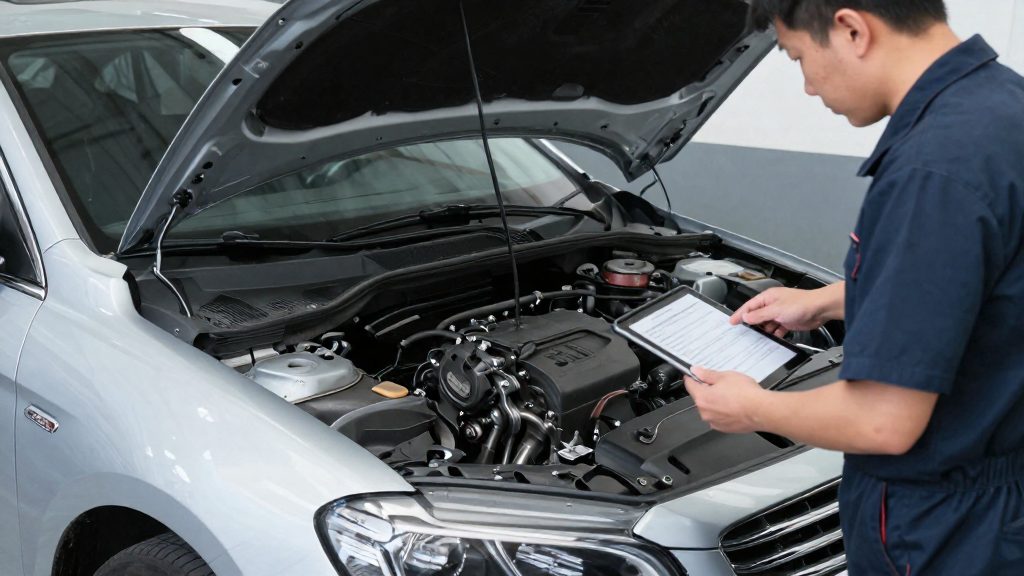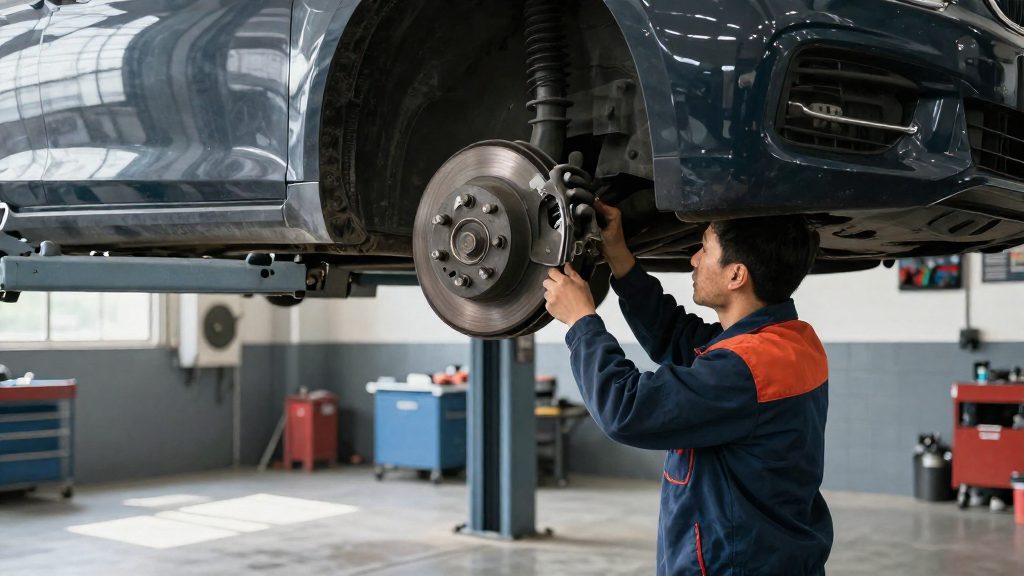
A failed safety inspection means the vehicle did not meet the required standard on the day it was tested, so it does not receive the safety standards certificate that Ontario requires for certain registration steps. The way forward is to read the list of defects, repair them, and book a new inspection at a licensed DriveON Vehicle Inspection Centre. The inspection timelines and procedures below follow Ontario’s official pages, while the recall and defect-reporting steps apply across Canada.
Why do the inspection rules depend on your province?
Each province and territory sets its own vehicle inspection rules, so what a failed result means for you depends on where the vehicle is registered. This article follows Ontario’s official procedure, the only provincial procedure covered here. If you live elsewhere, use the recall and reporting sections as written, and confirm the inspection rules with your provincial or territorial transport ministry before you act.
What should you do right after the vehicle fails?
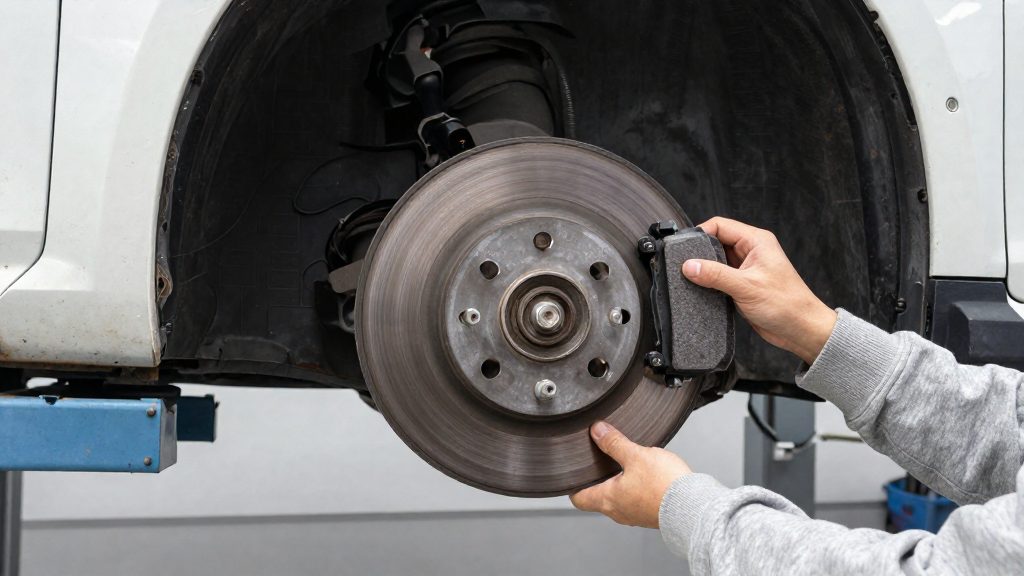
Start with safety. If the defect affects braking, steering, tires or any other system that controls the vehicle, do not drive it until a qualified repairer has fixed it. Arrange a tow if needed.
Next, get the written list of defects. The official Ontario page on the certificate does not describe what happens after a failed inspection, and the official sources consulted do not specify the required repair steps, the re-inspection process, or any deadline to return. The list of failed items is the document you need to plan repairs and to show a mechanic what must be corrected.
Then decide whether you actually need a certificate. In Ontario, a safety standards inspection and certificate is required when you register a rebuilt vehicle, transfer a used vehicle to a new owner (unless the new owner is a spouse), register a vehicle bought in or brought from another province, territory or country, or change a vehicle’s status from unfit to fit. If your reason is not one of these, the failed result may matter for the repair itself rather than for registration. Finally, write down the inspection date, because the certificate clock starts from it.
How do you repair the defects and book the re-inspection?
Have the repairs done by a qualified mechanic and keep the invoices, so you can show what was corrected. Ask the mechanic to confirm each item on the defect list, not only the most obvious one.
When the work is finished, book the re-inspection at a licensed DriveON centre. The official sources consulted do not specify whether you must return to the original station or can use a different licensed centre, so ask the centre you choose before you book. A repair alone does not clear the defect; the new inspection decides whether the vehicle passes.
If the vehicle fails again, the same approach applies: read the new defect list, repair the items, and book another inspection. The official sources consulted do not specify a limit on the number of attempts, so confirm the position with the centre if you have failed more than once.
When does the 36-day window matter?
The Ontario safety standards certificate is valid for 36 calendar days after the inspection. Calendar days include weekends and holidays, so a short delay can use up the window faster than expected. For example, if the inspection is done on a Monday, count forward 36 calendar days from that Monday to find the last day you can complete registration. If the certificate expires before you register the vehicle, you will have to pay for a new inspection and certificate.
Plan the sequence backwards. Gather the registration and transfer paperwork before you book the re-inspection, then book only when you can complete registration within the window.
What changes for a salvage or rebuilt vehicle?
A salvage vehicle follows a separate route. It must be inspected at a specialized DriveON location licensed for structural inspections, and you need both a Structural Inspection Certificate and a Safety Standards Certificate before it can be registered and plated. Once you submit the Structural Inspection Certificate at a ServiceOntario location, the vehicle is treated as rebuilt.
Only a specialized location can carry out the structural part, so confirm the location type before you bring the car.
How do you check for open recalls in Canada?
A recall check belongs in the same review, because a part that failed inspection may also be the subject of a recall. Canadians have two ways to check. You can enter the 17-digit VIN on the manufacturer’s website, or search Transport Canada’s Motor Vehicle Safety Recalls Database. Since January 1, 2025, designated manufacturers must provide a VIN lookup tool, and all manufacturers were required to comply by mid-2026.
Enter all 17 characters exactly as they appear on the vehicle record. A single wrong character can return no result for your vehicle, which may look like a clean record when it is not.
Transport Canada estimates that more than one in five vehicles on Canadian roads has an unresolved safety recall, according to its February 2025 release. Do not assume that a previous owner dealt with a recall, even on a used vehicle you have just bought. If a recall applies, contact the manufacturer or a dealer to arrange the repair, and keep a record of the visit.
Where do you report a defect that is not under recall?
Safety problems that are not covered by a recall can also be reported to Transport Canada. Call 1-800-333-0510 or submit the defect complaint form online through the Transport Canada recalls page. Give the make, model, year, VIN, mileage, the part concerned, the symptoms, and the inspection result if you have it. A report does not replace the repair or the re-inspection; it puts the defect on record with the federal department responsible for vehicle safety.
Frequently asked questions
Does a failed inspection mean my vehicle is written off?
The official sources consulted do not say that a failed inspection writes off a vehicle. Insurance and ownership questions are separate, so ask your insurer or the station before you decide to sell or scrap the vehicle.
Is the Ontario safety standards certificate the same as an emissions test?
The DriveON program covers both safety and emissions inspections, but the certificate described here is the safety standards certificate. The official sources consulted do not explain how a failed emissions result would affect that certificate.
Who sets the price of the re-inspection?
The Government of Ontario states that the cost of an inspection and certificate varies by station and is not regulated by the government, so ask the station for its price before booking.
Does a recall repair cost me anything?
The official sources consulted do not specify the cost of recall repairs. Contact the manufacturer or a dealer before you book the work.