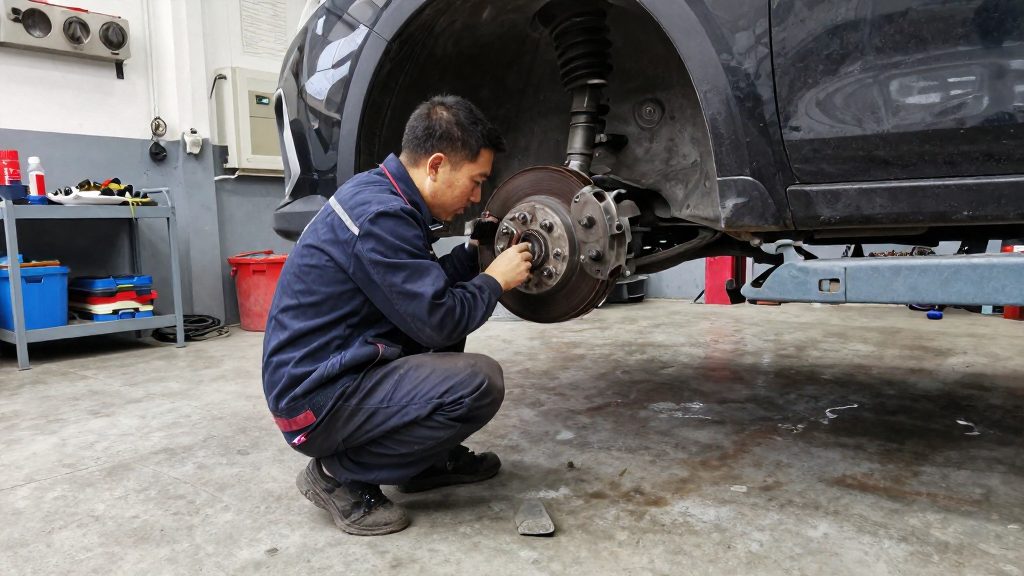
Yes, in most cases. According to Transport Canada, a recall correction usually consists of a repair carried out free of charge by the vehicle manufacturer, so the owner normally pays nothing for the fix described in the recall notice. That protection applies to the correction itself, not to every visit to a dealership. Your practical task is to confirm whether your vehicle is affected, book the repair promptly and follow any interim instructions until the fix is complete.
How do you check whether your vehicle has an open recall?
Transport Canada maintains the Road Safety Recalls Database, which holds recall notices going back to the 1970 model year (Transport Canada, 2019). Search it for your vehicle and check again from time to time, because a notice can arrive long after you bought the car. Transport Canada advises owners of personal, fleet and rental vehicles to check regularly for new recalls.
Manufacturers must also publish recall information on their own websites. Under amended regulations, designated manufacturers must provide a 17-digit Vehicle Identification Number (VIN) lookup tool, where you enter your VIN to see which recalls apply. These requirements took effect on January 1, 2025, and all manufacturers must comply by mid-2026, according to Transport Canada (2025). Using both the government database and the manufacturer’s tool gives you two checks on the same VIN.
Why do manufacturers notify you, and how?
Manufacturers must send owners a Notice of Safety Defect, also called a recall notice. It describes the defect, assesses its safety risk and explains how to fix it (Transport Canada, 2019). To find owners, manufacturers use warranty registrations for newer vehicles and provincial registration records for older ones. A notice sent to an old address may never reach you, so tell the manufacturer about a move right away. If you buy a used vehicle, register it with the manufacturer so that future notices arrive promptly.
What should you do when a recall applies to your vehicle?
Book the repair as soon as possible after you receive the notice. Transport Canada urges owners to have recall repairs done promptly once they are notified of a defect (Transport Canada, 2019). Read the notice before you go to the dealership. Pay close attention to any interim instructions, which are temporary measures meant to reduce risk until the permanent repair is done. If the notice tells you to stop driving the vehicle, park it, or limit its use, follow that instruction. If you are unsure what it means for your car, contact the manufacturer before driving it further. Keep a copy of the notice and the repair invoice, since together they show which defect was addressed and when the work was done.
What does the free repair cover?
The free correction is the work described in the recall notice. The official sources consulted do not list the parts or labour involved for each recall, so read the notice to understand what the correction involves. Ask the dealer to record the recall number on the work order. Any other fault found during the visit is a separate matter and may be billed separately, so ask for a written estimate and authorize only the work you understand before the technician starts.
Why not wait if the car seems to drive normally?
A recall is issued because a defect has been identified that presents a safety risk. The notice assesses that risk, and an owner cannot judge it simply by how the car feels on the road. Waiting because the vehicle appears to run normally means relying on a judgment the manufacturer has already made. Schedule the appointment as soon as you can, and if the appointment is far off, ask the manufacturer whether the interim instructions cover the wait.
Can the government require a free repair?
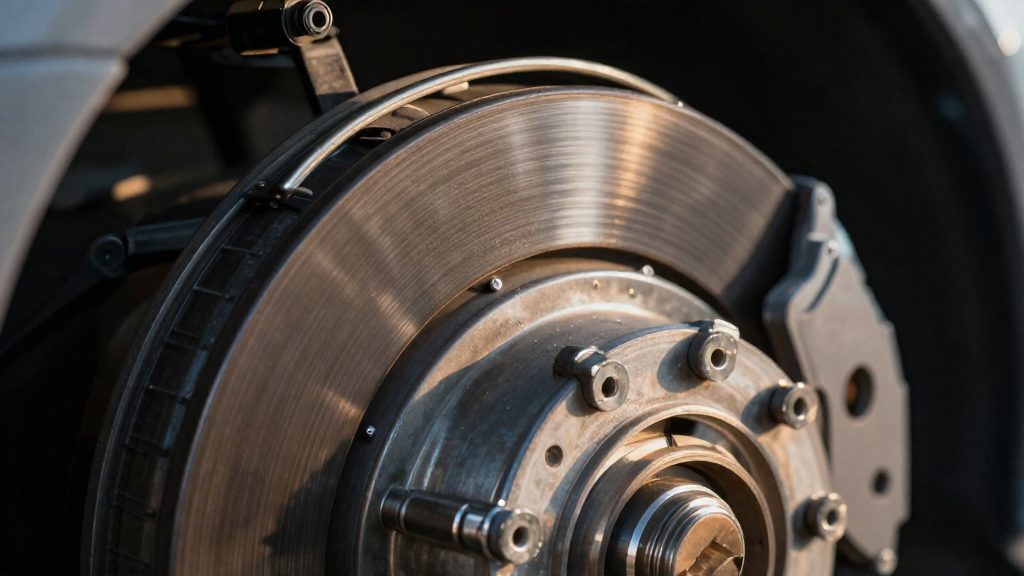
The 2016 federal announcement of the Strengthening Motor Vehicle Safety for Canadians Act said the Minister of Transport would be able to order a company to issue a recall, require recalled vehicles to be repaired at no cost to the consumer, and have the repair paid at the manufacturer’s expense. The same announcement said the Minister could prevent new vehicles from being sold in Canada until they are repaired (Transport Canada, 2016). That announcement describes the policy behind the free-repair principle. The official sources consulted do not confirm how each provision has been applied in individual cases, so for your own vehicle the notice and the manufacturer’s instructions remain the practical reference.
Why check recalls before buying a used car?
Before buying a used vehicle, check the Road Safety Recalls Database for open recalls. An authorized dealer for the make can check the VIN against the manufacturer’s recall records, and you can ask the seller to complete any open repairs before you take possession (Transport Canada, 2019). Obtain the VIN from the seller and run the check yourself before you pay, so the answer does not depend on the seller’s word alone. If a recall is still open, ask for proof that the repair has been completed, and do not take possession of the car until you have it.
What if a dealer asks you to pay for a recall repair?
If the work is part of an open recall, the correction should be carried out free of charge by the manufacturer, according to Transport Canada (2019). Before paying anything, ask the service advisor which recall number the work falls under and ask to see the notice. Compare that number with the notice you received. If the dealer still insists on payment, contact the manufacturer’s customer service directly and keep written records: your VIN, the recall number, the date, the amount requested and the name of the person you spoke with. The official sources consulted do not describe a complaint procedure for disputed recall charges, so do not sign a payment agreement you do not understand, and do not authorize work you have not been told about.
Frequently asked questions
Does a free recall repair apply to a vehicle imported from the United States?
The official sources consulted do not specify how imported vehicles are treated. Give the manufacturer your 17-digit VIN and ask in writing whether recall work applies to your car.
Can I sell my car while a recall is still open?
The official sources consulted do not address this. Tell the buyer about the open recall in writing, give them the recall number, and ideally have the repair completed before the sale.
What should I do if I never received a recall notice for my car?
Check your VIN with the manufacturer’s lookup tool and the Road Safety Recalls Database, then contact the manufacturer with your VIN. The official sources consulted do not specify any other route.