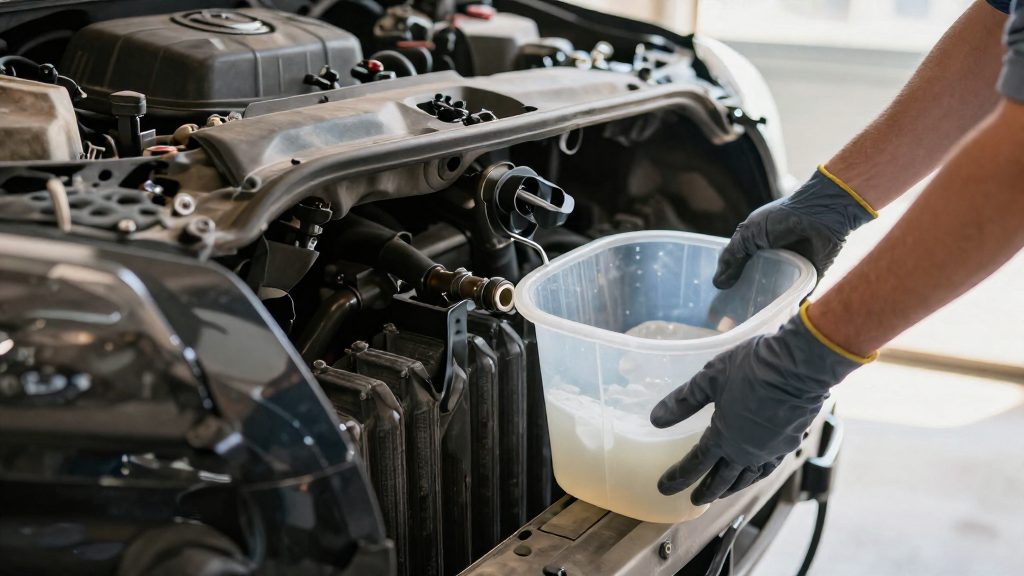
The correct coolant flush interval comes from your vehicle’s U.S. maintenance schedule, including any separate instructions for the original coolant and later replacements. Look for “replace engine coolant,” then follow the applicable time, mileage, or maintenance-reminder requirement. A shop’s offer of a flush should also identify the procedure your vehicle needs. The vehicle manufacturer’s 2025 U.S. coolant instructions explicitly direct owners to the maintenance schedule for replacement timing.
How do you find your vehicle’s exact coolant interval?
Start with the manufacturer’s U.S. owner website or the documents supplied with the car. Match the model year, model, and engine or powertrain. Use your vehicle identification number, or VIN, when requesting help so the service department can identify the applicable documentation. A schedule for a similarly named vehicle in another country may have different requirements.
Open the maintenance section and search for engine coolant, antifreeze, scheduled maintenance, and special operating conditions. Also check any separate maintenance or warranty booklet. Read the coolant entry and its footnotes together; an inspection requirement and a replacement requirement describe different work.
Some vehicles use dashboard maintenance codes instead of a conventional mileage table. The manufacturer’s U.S. explanation of maintenance scheduling describes both reminder-based systems and schedules for earlier vehicles. If yours uses a reminder, consult its code definitions and any additional calendar requirements. An oil-service notification alone does not tell you whether coolant replacement is included.
Save the relevant page with your maintenance records so you can refer to the actual requirement when arranging service.
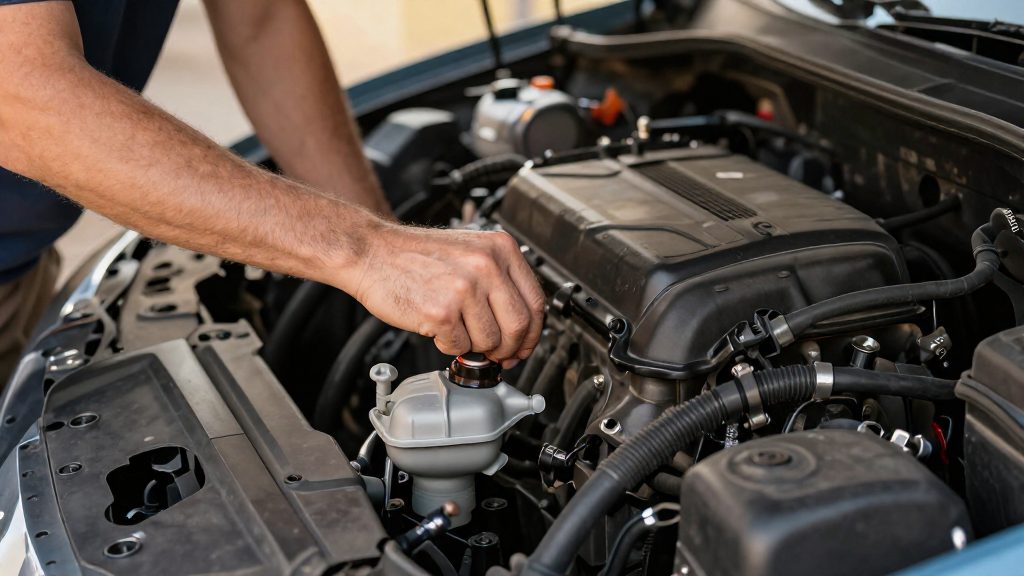
When do mileage, time, and the first replacement matter?
For a schedule expressed as mileage or elapsed time, plan around whichever limit arrives first. Low annual mileage does not remove a calendar deadline. The manufacturer’s U.S. maintenance guidance explains this time-or-mileage approach and directs owners to their vehicle-specific manual.
Read carefully for a separate initial replacement interval. For example, the linked 2025 U.S. CN7 gasoline-sedan normal maintenance schedule specifies an initial engine-coolant replacement at 120,000 miles or 120 months. Subsequent replacements are every 24,000 miles or 24 months. Those figures apply to the gasoline models covered by that particular manual and schedule; they are not a general recommendation for other cars, hybrids, or performance variants.
The practical lesson is to identify which stage your vehicle has reached. After a documented replacement, use the subsequent-service instructions rather than restarting the original factory-fill interval. Keep the replacement date and odometer reading together so you can track both limits.
If you are unsure when the initial calendar period begins, ask the manufacturer’s service department to confirm the starting date used for your vehicle. Its model year alone is not a complete service history.
Why can’t coolant type or color determine the schedule?
A bottle’s description does not establish your vehicle’s maintenance interval. Terms such as long-life describe a product, while the vehicle’s instructions determine the required specification and service schedule. Before adding or replacing coolant, check the specification in the owner’s manual or technical documentation and verify that the proposed fluid meets it.
Color is also an unreliable shortcut for deciding whether coolant needs replacement. In its U.S. engine-coolant instructions, a manufacturer explains that the coolant used in the vehicles covered can change shade during normal operation without requiring replacement, provided it remains clear and uncontaminated. The same instructions warn against mixing incompatible coolant types.
When arranging service, ask for the coolant specification in writing. If the shop proposes changing to a different formulation, request the vehicle manufacturer’s applicable compatibility and service instructions before approving the substitution.
Does towing or harsh weather require an earlier change?
Check the special-use instructions for the coolant itself. Do not automatically apply an engine-oil or transmission-fluid adjustment to the cooling system.
The manufacturer’s U.S. maintenance-code guidance explains that its reminder does not cover every maintenance requirement or account for all extreme operating conditions. Its examples assign additional requirements to particular components. That makes the component-specific instructions essential.
If you regularly tow, operate in extreme temperatures, or use the vehicle under unusual loads, describe that use when requesting the applicable schedule. Ask whether it changes coolant replacement timing, coolant testing, or another cooling-system requirement. Where the documentation gives no alternative coolant interval, request vehicle-specific guidance instead of choosing an arbitrary shorter interval.
What is the difference between a coolant replacement and a flush?
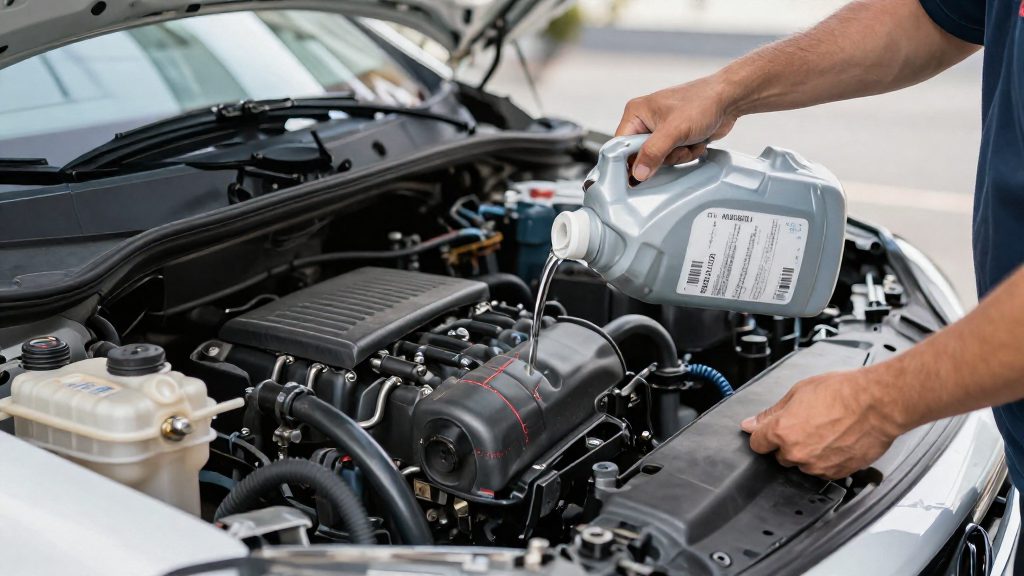
A drain-and-refill service removes coolant through the specified drain points and replenishes the system. Flushing adds a cleaning or rinsing process. Before authorizing work, ask what the shop means by “flush”: the term alone does not explain the equipment, cleaning products, or procedure it intends to use.
Manufacturer repair instructions can distinguish these operations according to the problem being addressed. A manufacturer service bulletin hosted by NHTSA directs technicians to different procedures depending on diagnostic findings, including draining and refilling, flushing, and filling and bleeding the system. These are instructions for the bulletin’s specified vehicles and condition, rather than a routine procedure for every car.
For your vehicle, ask the shop to identify:
- Whether the work is scheduled replacement or treatment of a diagnosed problem.
- Which manufacturer procedure it will follow.
- Whether a cleaner is required and permitted by that procedure.
- How it will refill the system and remove trapped air where required.
A maintenance entry calling for coolant replacement should lead to the prescribed replacement procedure. A recommendation for additional cleaning should explain the condition that makes it necessary.
When should symptoms take priority over the schedule?
Recurring coolant loss needs investigation even if replacement is not yet due. The manufacturer’s 2025 U.S. coolant-level instructions call for inspection when frequent additions are required.
A sweet, steamy odor can indicate a coolant leak, according to the Federal Trade Commission’s Auto Repair Basics, published in August 2012. Report when the smell occurs, whether you see fluid underneath the vehicle, and what the temperature display shows.
If the engine overheats, pull over as soon as it is safe. Follow the vehicle’s emergency instructions. The manufacturer’s 2025 U.S. overheating guidance directs drivers to stop the engine when coolant is leaking or steam is present, and to wait before opening the hood. Arrange assistance for an active leak or recurring overheating. A scheduled flush appointment does not resolve an urgent cooling-system fault.
How can you check the level safely?
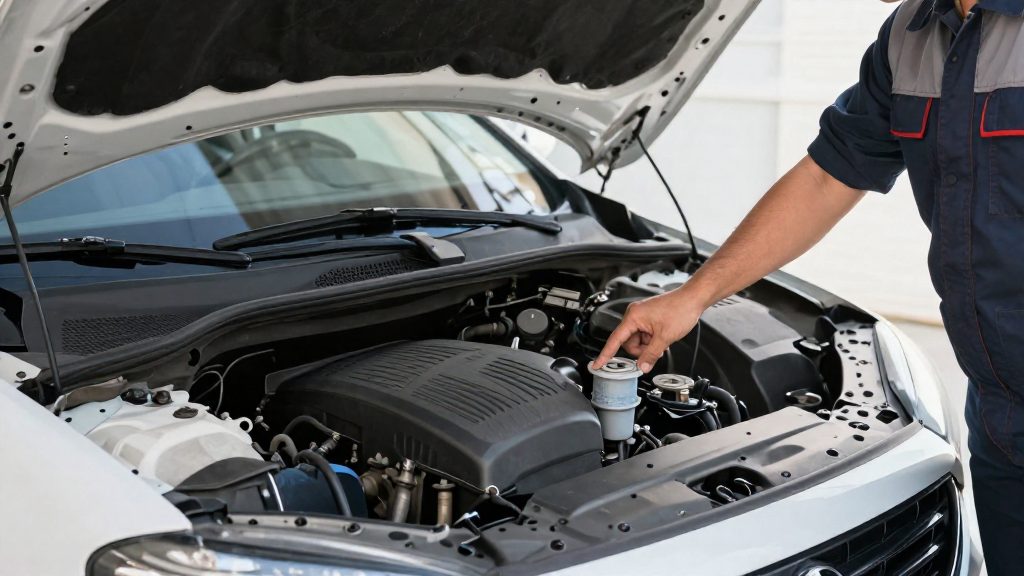
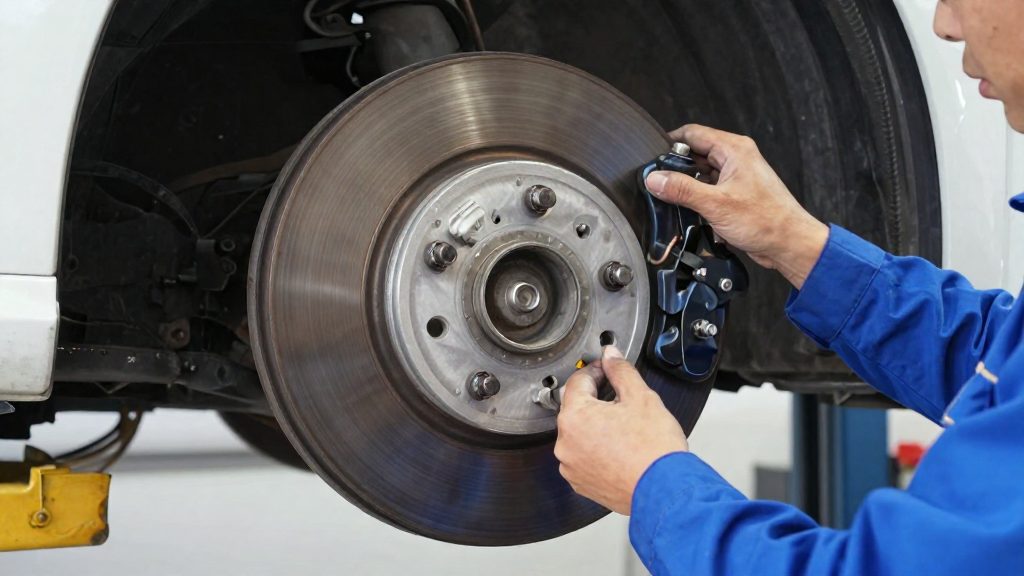
Use the reservoir location and checking conditions shown in your owner’s manual. Let the engine and cooling system cool before opening any coolant pressure cap or drain. Hot coolant can escape under pressure and cause serious burns even after the engine has stopped.
Keep hands, clothing, and tools away from cooling fans. The manufacturer’s 2025 U.S. coolant-checking instructions warn that an electric fan may operate while the engine is off. Those instructions also specify checking the reservoir level with the engine cool.
Use your vehicle’s stated fill marks and approved fluid mixture. Do not improvise a dilution ratio or overfill the reservoir. If you cannot confidently identify the correct reservoir or coolant, have a qualified technician perform the check. A safe visual level check is useful owner maintenance; it does not establish the fluid’s remaining service life.
What should you do when the coolant history is unknown?
For a used vehicle without reliable records, gather whatever evidence is available before assigning a replacement date. Request previous repair orders and look for an entry that explicitly documents coolant replacement. A cooling-system inspection, a top-off, and a replacement are separate services.
Ask a shop familiar with your vehicle to assess the current condition and explain a suitable service plan. Useful questions include whether the existing fluid can be identified, whether there is evidence of contamination or leakage, and whether the documented maintenance requirement has been exceeded. Do not treat an undocumented top-off as proof that the coolant has been renewed.
The FTC’s Auto Repair Basics recommends comparing a shop’s maintenance recommendations with the manufacturer’s schedule and asking why additional service is proposed. It also advises obtaining a completed repair order describing the work performed.
For coolant service, request the date, odometer reading, fluid specification, and procedure used. Ask the shop to record the next applicable replacement requirement. These details give you a usable starting point for future maintenance and help prevent an ambiguous “coolant service” entry from creating the same uncertainty again.
Frequently asked questions
Must a dealership perform coolant maintenance to preserve the factory warranty?
Generally, no. The FTC says warranty coverage cannot be denied simply because someone other than the dealer performed routine maintenance. Coverage may be denied for damage caused by improper work, so follow the required procedure and retain records. See the FTC’s warranty guidance.
Where should a homeowner take used coolant?
Contact your local solid-waste agency or household hazardous-waste collection program and confirm that it accepts antifreeze. EPA guidance identifies antifreeze among products needing special disposal care. Do not pour it onto the ground or down a drain. See EPA recycling guidance.