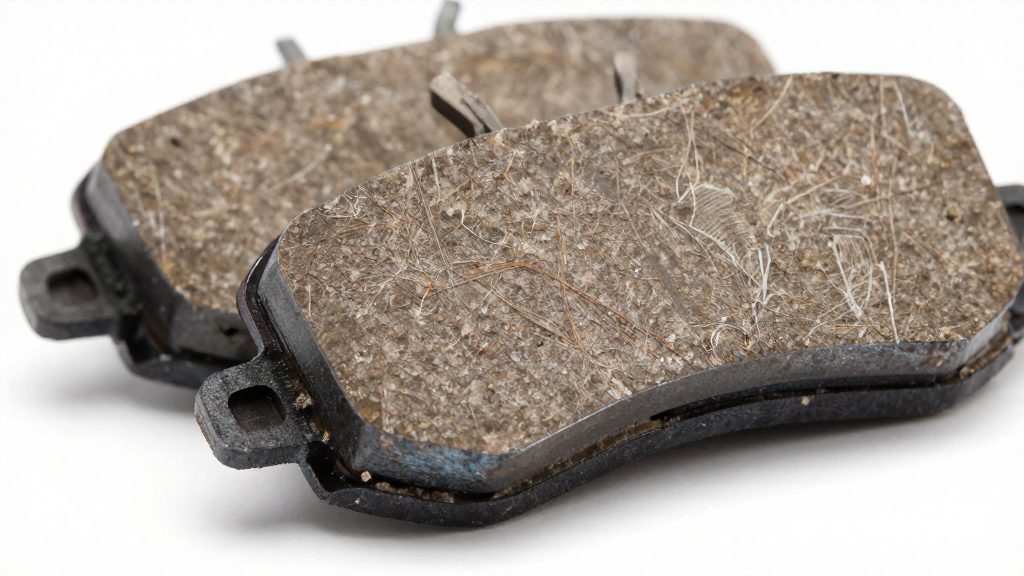
What are the main brake pad warning signs?
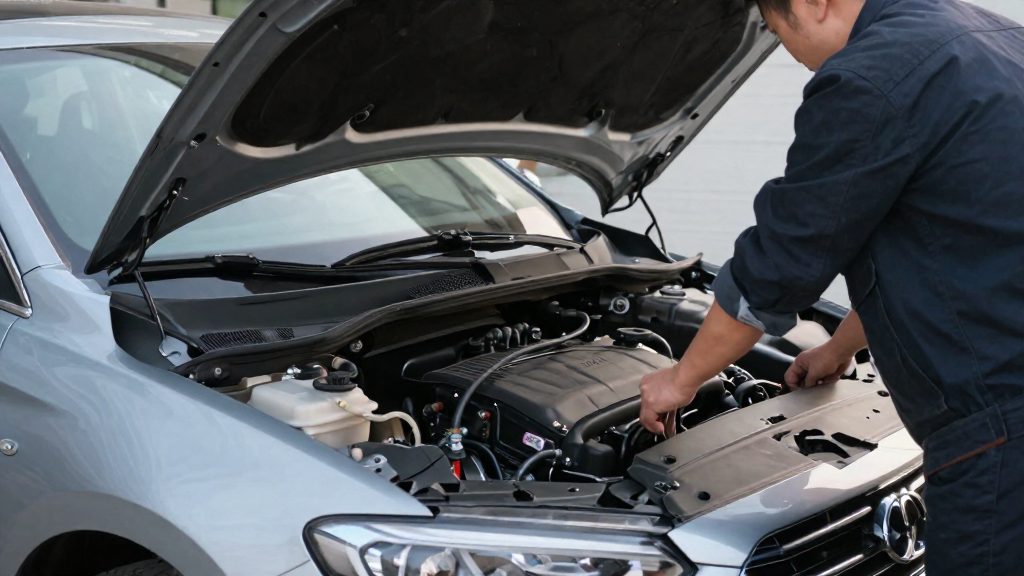
Brake pads wear down gradually, so the warning signs usually build up over weeks or months. Watch for a squeal or grinding noise when you brake, a pulsing pedal, a pedal that feels softer or sinks lower than usual, a longer stopping distance, the car pulling to one side during braking, or a brake warning light on the dashboard. Any one of these is a reason to have the brakes inspected. You do not need to confirm the cause yourself. A technician can measure the pads, rotors, calipers, and brake fluid to find out.
Pay attention to changes rather than to a single reading. A brake that feels slightly different from one week to the next is worth checking before it becomes an emergency.
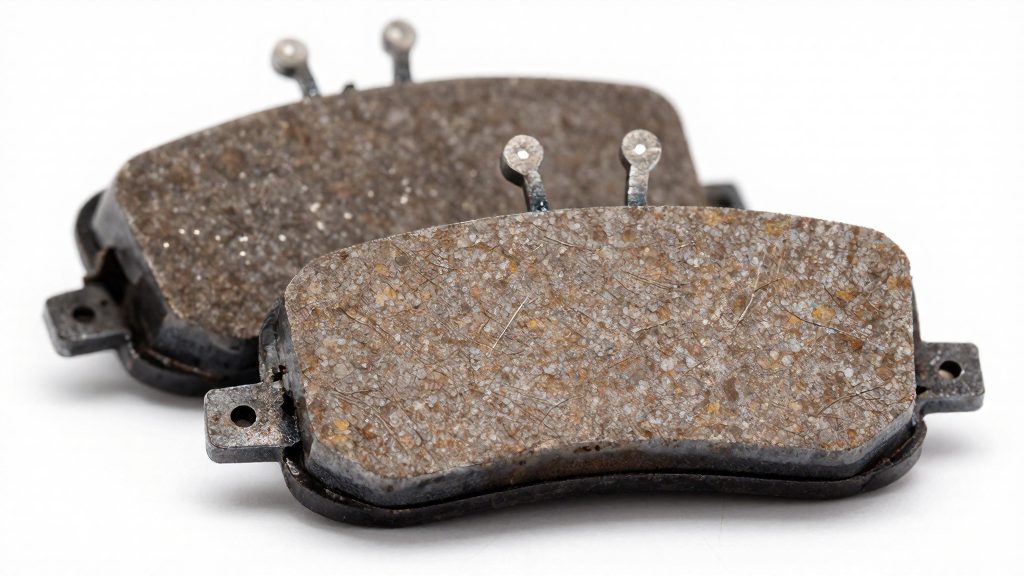
Squealing, grinding, or pulsing: what each noise means
A high-pitched squeal is often the built-in wear indicator. Many pads carry a small metal tab that touches the rotor once the friction material gets low, and it makes a squeal when the brake is applied. Treat that sound as a signal to schedule replacement soon. A squeal can also come from dust, moisture, or glazed pads, so ask for the pads to be measured rather than assuming.
Grinding is different. A harsh, low, metal-on-metal sound usually means the friction material is worn through and the metal backing plate is contacting the rotor. This is more urgent. The rotor can be scored, the caliper can be damaged, and braking can be reduced. If you hear grinding, stop driving as soon as it is safe, following the steps in the last section.
A pulsing pedal, or a shudder through the steering wheel when you brake, usually points to uneven rotor surfaces rather than to the pads alone. It is most noticeable at higher speeds. It still needs an inspection, because pads and rotors are normally checked together.
Does a brake warning light mean worn pads?
Not directly, and this is where many drivers get confused. The federal brake standard, 49 CFR 571.105, sets when the brake warning lamp must light. It must come on when the ignition is on and brake fluid drops in any master cylinder reservoir compartment, when there is a gross loss of pressure, and when the parking brake is applied, among other fault conditions. The anti-lock brake (ABS) lamp must light for an ABS malfunction, and under the same standard that lamp is yellow. So the brake lamp on your dashboard can mean that the parking brake is still set, that the fluid is low, or that the system has lost pressure.
Worn pads can contribute to a low fluid reading, because as the pads wear, the pistons move outward and the fluid level in the reservoir drops slightly. A level that keeps falling, however, usually means a leak somewhere in the system, and that needs prompt attention. Do not simply top up the reservoir and keep driving. If you add fluid, use only the type named in your owner’s manual, with the engine off and the car on level ground.
Many vehicles also have a separate pad-wear warning, either a dedicated light or a dashboard message. Your owner’s manual shows the exact symbols and what each one means for your vehicle.
How thick should brake pads be?
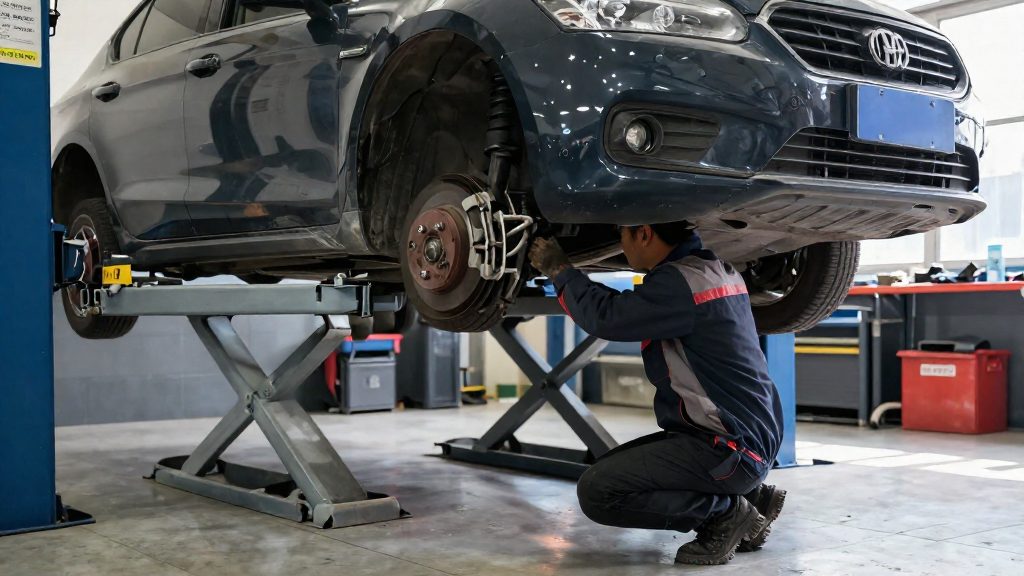
There is no universal number to apply, and you should not rely on one from a forum or a generic chart. The minimum usable pad thickness is set by each vehicle manufacturer and is listed in the service information for your model. Check your owner’s manual first, then ask a technician to measure the pad lining, which is the friction material bonded to the metal backing. Some vehicles let you see the outer pad through the wheel openings, but judging thickness by eye is unreliable, especially for the inner pad.
Replace the pads when they reach the manufacturer’s minimum, or sooner when a wear indicator sounds or a pad-wear warning comes on. Pads are normally replaced in pairs on the same axle, left and right, so braking stays balanced.
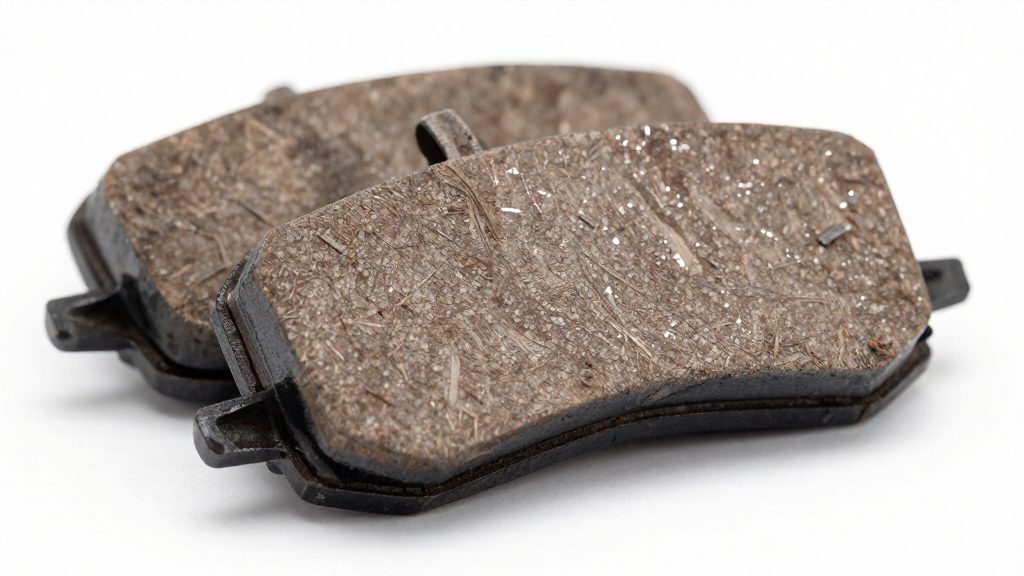
How often should brakes be inspected?
Federal rules do not set a brake inspection interval for your car. The maintenance schedule in your owner’s manual is the reference, and it may list brake checks by mileage or by time. As a practical habit, have the brakes looked at whenever the tires are rotated or serviced, and any time you notice a new noise, a change in pedal feel, or a warning light. Road salt and wet weather can speed corrosion of brake lines and other parts, so after a winter of driving on treated roads, ask for a brake check and rinse the underside of the car when conditions allow.
Periodic safety inspection is handled at state level, not federal level, and requirements differ widely. Some states require a periodic inspection and some do not. Check with your state motor vehicle agency (DMV) to see whether your car must be inspected and how often.
How do I check for brake-related recalls?
Go to NHTSA’s recall lookup at nhtsa.gov/recalls. You can enter a license plate or your 17-character VIN. The VIN is printed at the lower left of the windshield, where it is visible from outside the car, and on the label inside the driver’s door frame. A VIN search is more reliable than a plate search, because plate lookups depend on state DMV records, which may not have been updated after a sale.
The lookup shows unrepaired safety recalls for that specific vehicle. It does not show recalls that were already completed, so keep your service receipts. If a recall appears, contact a franchised dealer for your vehicle to schedule the repair.
Under federal law, a manufacturer that determines a safety defect exists must remedy it without charge when the vehicle is presented for repair (49 U.S.C. § 30120). The free-repair requirement does not apply if the first purchaser bought the vehicle more than 15 calendar years before the earlier of the manufacturer’s notice or a NHTSA order. If your vehicle is older than that, ask the dealer directly about cost and coverage. The free SaferCar app can also send recall notifications for the vehicles you register.
When should I stop driving and call a tow?
Stop driving, and arrange a tow instead of driving to the shop, if any of these happen:
- The brake warning lamp stays on, especially with the parking brake released, or the fluid level keeps dropping.
- The pedal sinks toward the floor, feels spongy, or needs much more force than usual to stop the car.
- You hear grinding, or the brakes fade, lock up, or pull hard to one side.
- You smell burning, see smoke from a wheel, or the car takes much longer than normal to stop.
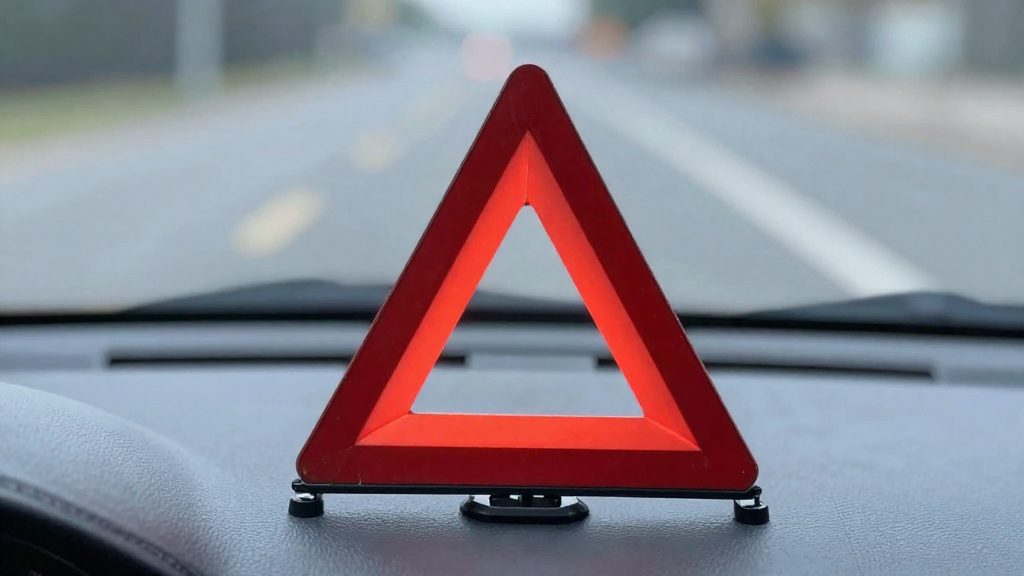
If you notice a problem while driving, brake gently and steadily, turn on your hazard lights, and move to the shoulder or another safe spot. Use the parking brake only to hold a car that has already stopped. If the pedal is soft but still stops the car, reduce speed gradually and head directly to a safe place rather than continuing a normal trip.
After any repair, ask the shop to inspect the pads, rotors, calipers, and fluid, and to confirm that the work meets the manufacturer’s specifications. Keep the work order with your vehicle records.
Frequently asked questions
Do new brake pads need a break-in period?
Often, yes. Follow the bedding-in procedure in your owner’s manual or the manufacturer’s service information, or ask the shop to do it. Avoid hard, repeated stops during the first trips.
Is normal pad wear covered by a recall?
Normally not. Routine wear is maintenance. A recall applies to a defect the manufacturer has identified, so check your VIN on NHTSA’s lookup for any open notices.
Can a pad-wear light come on by mistake?
It can, if the wear sensor or its wiring is faulty. A technician can test the sensor and the pads, so do not ignore the light just because the pads look fine.