Yes, NHTSA recall search works without a VIN. You can search by license plate to check a specific vehicle, or by model year, make, and model to research a vehicle type. The distinction matters: a general recall listing does not establish whether your particular car still needs the repair. The National Highway Traffic Safety Administration’s search resources include these options.
How do you search when you only know the year, make, and model?
Use this route when researching a car you cannot inspect yet, such as a vehicle advertised for sale. Have its model year, manufacturer, and model name ready. Use the model year stated in the vehicle information rather than guessing from the year it was purchased.
Open the vehicle search at NHTSA.gov/recalls, choose the year, make, and model option, and select the matching details. Start with the recalls category. Save the campaign identifier for any entry you need to discuss with a dealer.
NHTSA’s recall data documentation confirms that this combination retrieves a list of recalls for the selected vehicle type. Read each relevant entry’s description of the affected vehicles, defect, safety risk, and remedy.
Treat those details as a way to identify questions, not as confirmation that a repair is outstanding on the car in front of you. For example, ask the dealer whether the campaign you found applies to that vehicle and what its current status is.
How can you check recalls by license plate?
If you have access to the plate, use the license plate option on the official recall page and enter the information requested. The Oregon Department of Transportation specifically directs vehicle owners to this option for checking open recalls.
Before relying on the result, compare the vehicle shown with the car you intended to check. A result for a different vehicle cannot answer your question, even if the plate number was entered correctly.
According to NHTSA’s recall search guidance, plate information comes from state motor vehicle departments. If a transferred plate returns your previous vehicle, request an update from your state DMV and use the current vehicle’s VIN meanwhile.
If the plate search cannot identify your car, leave its recall status unresolved. Do not interpret an unsuccessful lookup as confirmation that no repair is needed.
Why do the other search categories matter?
A vehicle search can also lead you to complaints, investigations, and manufacturer communications. These records serve different purposes, so read the category before deciding what an entry means.
- Complaints describe problems reported to the agency. An owner’s report is information for evaluation, rather than a determination that every similar vehicle has the same defect.
- Investigations examine potential safety defects. Their presence does not by itself establish an active recall.
- Manufacturer communications include technical service bulletins and other notices. They can address issues beyond safety recalls.
NHTSA explains these distinctions in its report on safety defect analysis and recall management (2020).
Use these records to understand an issue and prepare a useful conversation with a service department. If a bulletin describes your symptoms, ask a qualified technician to evaluate the vehicle. Do not assume that finding a similar description establishes either the diagnosis or recall eligibility.
What can a result with no unrepaired recalls miss?
A clear result is useful, but it has limits. NHTSA lists these exclusions for its license plate and VIN searches:
- Safety recalls already repaired.
- Some recently announced recalls whose affected VINs are still being identified.
- Recalls more than 15 years old, unless the manufacturer provides additional coverage.
- Recalls from some small vehicle manufacturers.
- Customer service campaigns and other non-safety campaigns.
- Recalls involving international vehicles.
These limits are stated on NHTSA’s recall lookup page. In particular, the result is not a complete lifetime repair history or a mechanical inspection.
For a concern outside that coverage, contact the manufacturer with the vehicle’s identifying details and the campaign you want checked. Revisit the lookup if VIN identification is still underway. A calendar reminder should not delay action on a warning already issued for your vehicle.
Where can you find the VIN when you need it?
Finding the VIN may be easier than continuing with incomplete information. NHTSA identifies it as a 17-character vehicle identification number.
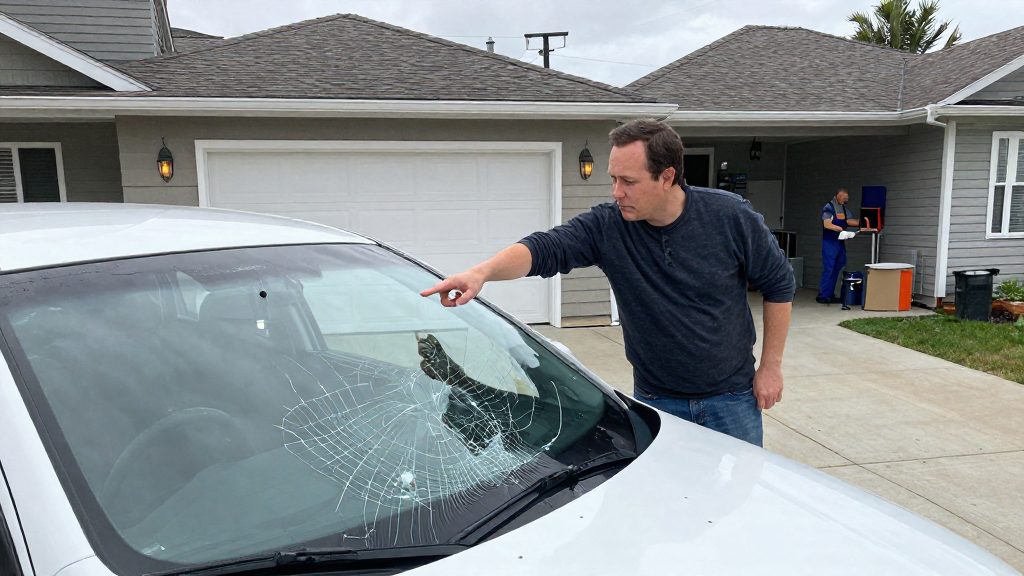
Look at the lower-left corner of the windshield, or check the label inside the driver’s doorjamb. Vehicle registration and insurance documents are other places to look, according to NHTSA’s vehicle safety resources.
When using paperwork, confirm that it belongs to the vehicle being checked. Copy the identifier carefully and review your entry before submitting it. If an entry is rejected or the identifying details disagree, verify the original characters instead of repeatedly trying guessed corrections.
For a car you do not own, request the VIN from the seller so you can continue the check independently.
How should you handle a used car before buying it?
Make recall verification part of your purchase checks. Ask the seller for relevant repair paperwork and ask an authorized dealership whether applicable recall work has been completed. A verbal statement that the car has been serviced is less useful than confirmation about the specific campaign.
The New York City Department of Consumer Affairs’ Used Car Buyer Guide (2017) recommends checking recall repair status with an authorized dealership and arranging an independent mechanical inspection. These are practical precautions wherever you are shopping in the United States.
The guide also warns that a standard inspection may not identify many safety defects. Arrange both checks; each answers a different question.
Before proceeding, ask how any outstanding recall will be handled and obtain the arrangement in writing. Keep the seller’s documents with your purchase records so you can resolve later questions about what was represented or repaired.
What should you do after finding an open recall?
Read the safety instructions before planning the trip to a dealership. In its consumer alert dated October 30, 2026, NHTSA urges owners to contact their manufacturer’s local dealership promptly and follow all manufacturer instructions, including any “do not drive” or “park outside” warnings.
If a do-not-drive warning applies, do not drive the vehicle to the appointment. Contact the dealership or manufacturer to arrange a safe way to have the recall addressed. Follow any parking restrictions exactly as written for that campaign.
When contacting the service department, have the lookup result available. Ask it to confirm the applicable recall, explain the required work, and tell you what arrangements are necessary.
A car that appears to operate normally still needs the prescribed action. Base your decision about using it on the campaign’s instructions rather than on whether you have noticed symptoms.
What if the recall remedy is not ready?
An announced recall and an available repair are separate milestones. NHTSA’s guide for vehicle owners, revised in 2024, explains that manufacturers may need time to develop repair procedures, instruct dealers, and distribute parts. Interim notices can explain precautions while the remedy is being prepared.
Ask the dealership whether it can perform the remedy now or is recording your request for follow-up. Confirm how you will learn when an appointment can actually be completed.
Keep the notification and any correspondence together. If an interim instruction is unclear, ask the manufacturer to explain how it applies to your vehicle before using it.
Do not substitute a guessed repair for the announced remedy. Follow the campaign’s process through completion and keep the resulting service record.
When should you check again and set up alerts?
The Oregon Department of Transportation recommends checking for open recalls at least twice a year. Put recurring reminders on your calendar rather than treating a search made during a purchase as permanent clearance.
For automatic notifications, follow NHTSA’s recall app instructions. Vehicle setup starts with year, make, and model, followed by entering or scanning the VIN. Complete that identification step when setting up monitoring for your car.
Keep the app able to run in the background. NHTSA explains that force quitting it prevents automatic checks until it is reopened.
After a repair, the displayed status may take time to reflect the manufacturer’s finalized completion report. If the alert persists, keep your service documentation and ask the dealership to confirm that the work was reported. Dismissing an alert yourself does not replace completing the required remedy.
Frequently asked questions
Will my saved vehicles appear in NHTSA’s recall app after I replace my phone?
NHTSA says the information is stored on your device. Restoring a device backup may transfer it; otherwise, you will need to enter it again. See NHTSA’s app guidance.
Can I check a child car seat through the same recall website?
Yes. Select the Car Seats option and search using the seat’s manufacturer and model. Use the seat’s own identifying information. See NHTSA’s recall resources.
Can I complain if a dealership rejects a recall repair because of warranty coverage?
Yes. NHTSA’s recall resources specifically identify this as a situation you can report through its safety complaint process. Keep the recall notice and the dealership’s explanation. See NHTSA’s complaint guidance.