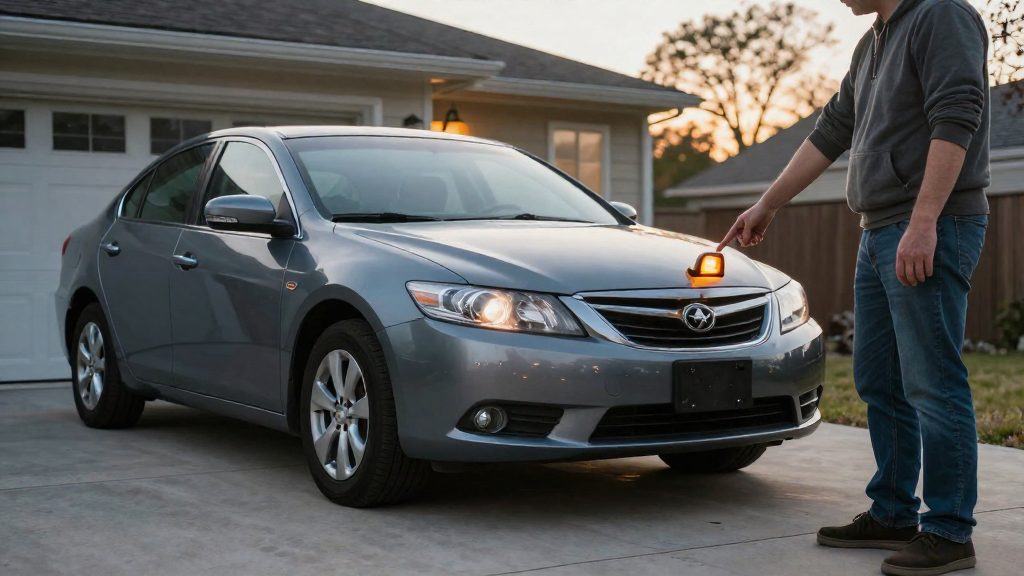
What does the ABS warning light mean?
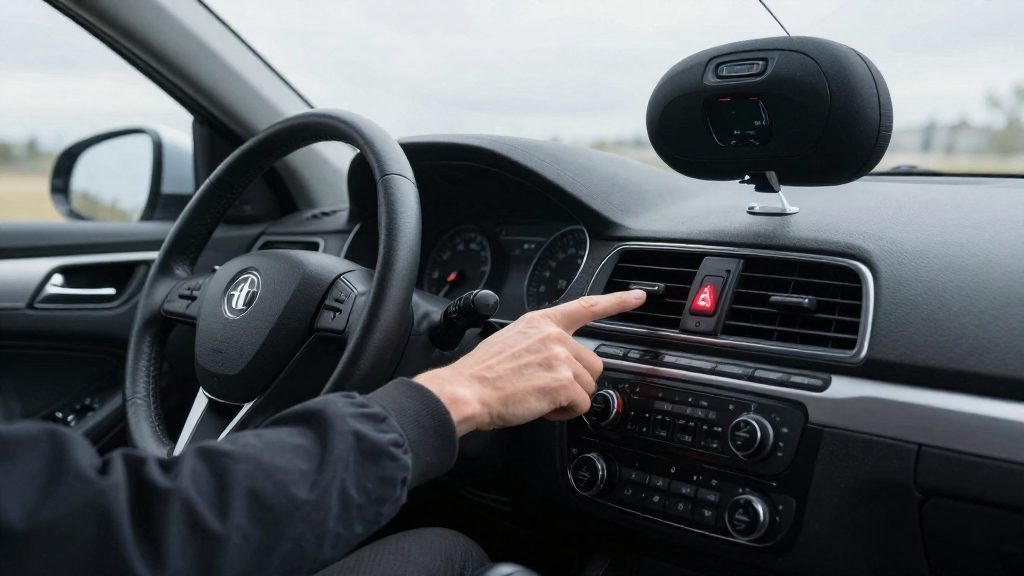
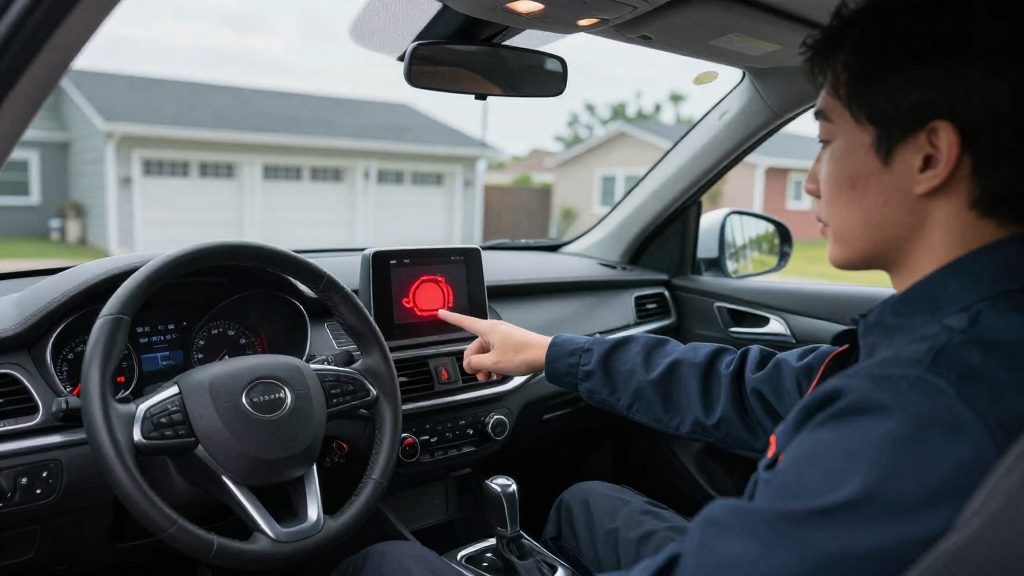
The ABS warning light tells you that the anti-lock braking system has detected a fault. ABS stops the wheels from locking during a hard stop, so you can keep steering while braking. When the system works, you only notice it in an emergency stop, when the pedal pulses.
The ABS lamp is separate from the main brake warning lamp on many cars. The US federal standard for hydraulic brake systems, FMVSS No. 105 (49 CFR 571.105), requires the antilock lamp to light when a malfunction affects the signals that control the system, and to stay lit as long as that malfunction exists. The standard does not require a red ABS lamp; it only requires the lettering and background to contrast, with yellow as one option. Keep in mind that this is a design rule for manufacturers of new vehicles. It does not tell you what to do on the road. Your owner’s manual does that.
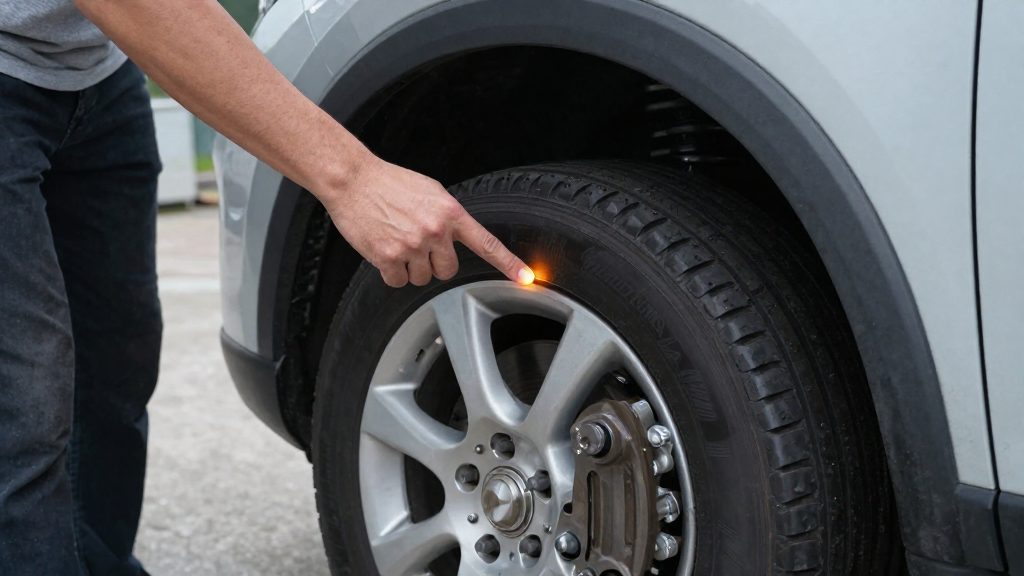
Is it normal for the ABS light to come on at startup?
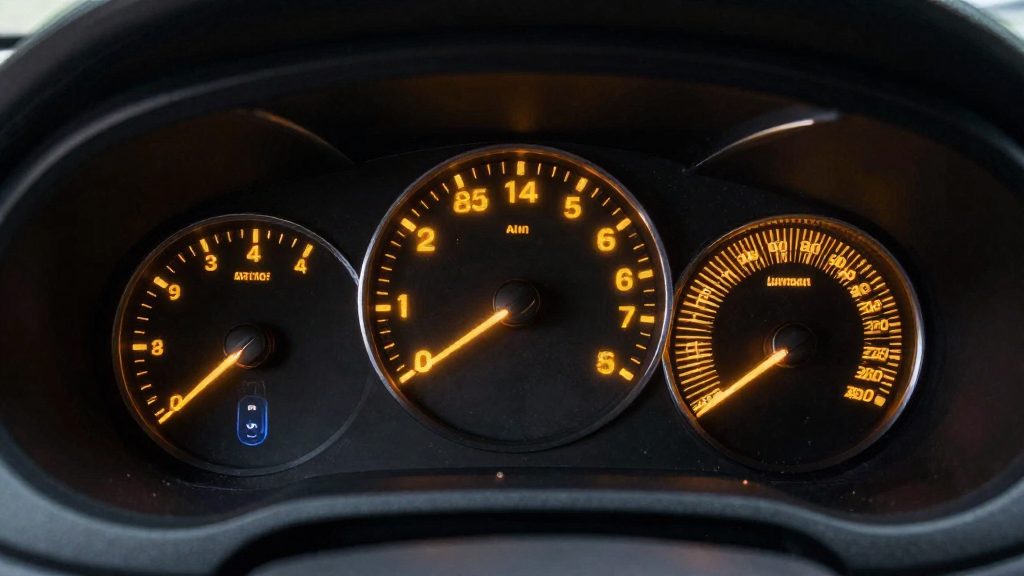
Yes, the lamp is meant to light briefly when you switch the ignition on with the engine off. The standard requires all indicator lamps to light as a check of the lamp itself, so you can confirm they work. The lamp should then go out after the engine starts.
It is not normal if the lamp stays on after the engine starts, or if it comes on while you are driving. Either one means the system has recorded a fault and needs checking. The federal standard does not give a fixed time for the lamp to go out, so refer to your owner’s manual for what your car should do.
Is it safe to drive with the ABS light on?
On most vehicles, the normal hydraulic brakes keep working when the ABS is off. The difference is that the wheels can lock during a hard stop, especially on wet, icy, gravel or loose surfaces. For that reason, you can often drive carefully to a workshop, but only if the rest of your braking feels normal.
While the light is on, leave more following distance, brake earlier and more gently, and avoid slippery surfaces. Some recalls have involved ABS parts, where a fault can keep the lamp on. If you see a recall that mentions the ABS, follow the repair instructions in the notice.
Do not keep driving if the brake pedal feels soft, sinks further than usual, needs much more force, pulls the car to one side, or if the brake warning light is also on. In those cases, stop in a safe place and arrange transport to a workshop.
What causes an ABS warning light?
The light reports a problem somewhere in the system, so the causes vary. The most common ones include:
- Low brake fluid, often caused by a leak or by worn brake pads.
- A dirty, damaged or failed wheel speed sensor, which tells the system how fast each wheel is turning.
- Damaged wiring or corroded connectors, especially near the wheels, where the wiring flexes and gets dirty.
- A blown ABS fuse, which may point to a short circuit.
- A fault in the ABS control unit or the hydraulic unit (also called the actuator), including a leak from the unit itself.
Which causes apply depends on your vehicle. Your owner’s manual explains how the ABS system works on your car and which other warning lights can appear with it. A workshop can read the stored fault codes with a scan tool to find the exact cause.
What if the ABS and brake lights are both on?
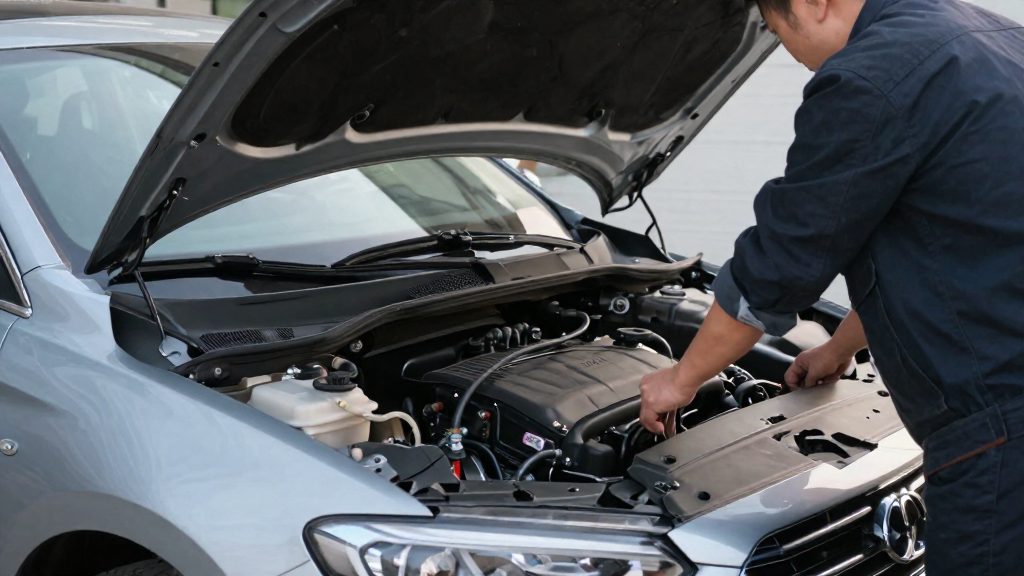
Treat this as urgent. Pull over safely as soon as you can, and make sure the parking brake is fully released. If the reservoir is easy to reach and the engine is cool, check the brake fluid level against the minimum and maximum marks.
If the level is low, topping it up with the fluid type listed in your owner’s manual may let you reach a workshop. However, if the level drops again, do not drive the car. A falling level usually means a leak, and brake fluid is needed for the brakes to work properly. Never use a fluid type other than the one specified in your manual.
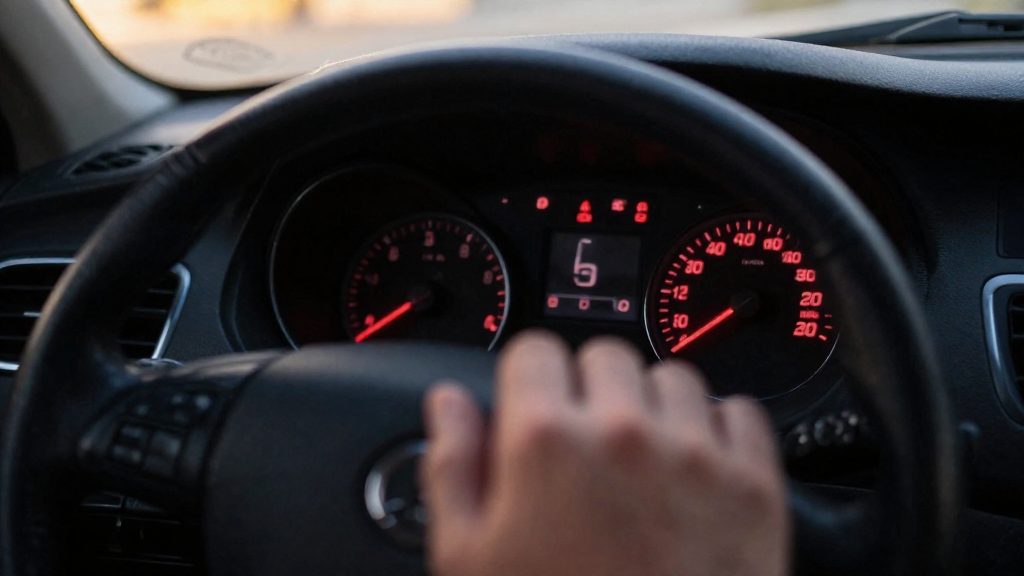
How do you fix an ABS warning light?
You usually cannot fix the ABS system yourself. The light is a symptom, and the repair depends on the cause. There are, however, some safe first checks:
- Read the ABS section of your owner’s manual for the warning light and any procedure it describes.
- Check the brake fluid level as described above, and look for signs of leakage under the car.
- Check the ABS fuse using the fuse diagram in your manual. Replace a blown fuse only with one of the same rating. If it blows again, stop, because this suggests a short circuit that needs a workshop.
- Look for visible damage to the wiring near the wheels, such as broken wires, chafing or debris on the sensor. Do not disconnect any sensor or wiring while the engine is running.
- Have the system scanned if these checks do not find the cause. A workshop can read the stored ABS codes and confirm the repair.
Do not clear the light without fixing the fault, and do not disconnect the battery to reset it. The fault may return, and the light is the only reminder that the ABS may not work.
After any repair, test the brakes at low speed in a safe, empty area before you drive normally. The pedal should feel normal, and the ABS light should go out and stay out.
How do I check for ABS-related recalls?
NHTSA, the US National Highway Traffic Safety Administration, lists open recalls by vehicle. Go to NHTSA.gov/Recalls and enter your 17-character VIN, which is printed on the lower left of the windshield and on the label inside the driver’s door frame, or enter your license plate number.
If an open recall applies to your vehicle, the repair is free at an authorized dealer of the manufacturer. Call the dealer to schedule the fix. NHTSA advises checking for recalls at least twice a year, and it recommends checking a used car before you buy it. You can also use the free SaferCar app or sign up for alerts at NHTSA.gov/Alerts, which notify you when a recall is issued for a vehicle you have added.
When should you see a mechanic?
Book a workshop visit promptly in any of these cases:
- The ABS light stays on after startup, or comes on while you are driving.
- The ABS light and the main brake warning light are on together.
- The brake pedal feels different, or the brakes need more effort or pull to one side.
- Brake fluid is low again soon after you top it up.
- A fuse blows again after you replace it.
- A recall notice concerns the ABS or the brakes.
When you call or visit, describe when the light came on, whether it came on at startup or while driving, and how the brakes felt. This helps the workshop find the cause faster, and it lets you decide whether the car should be driven or towed.
Frequently asked questions
Does a used car need a recall check before I buy it?
Yes. Recalls are tied to the VIN, so enter it on NHTSA.gov/Recalls before buying, and ask the seller for any repair records.
Will the ABS light go off by itself?
It can, if the fault was temporary, for example a loose connector that moved. A light that clears on its own does not prove the problem is gone, so have the system checked.
Can I clear the ABS light myself with a basic code reader?
Some basic readers can read engine codes but not ABS codes. Clearing the light without fixing the fault only hides the warning, so have a workshop read and clear the ABS codes after the repair.