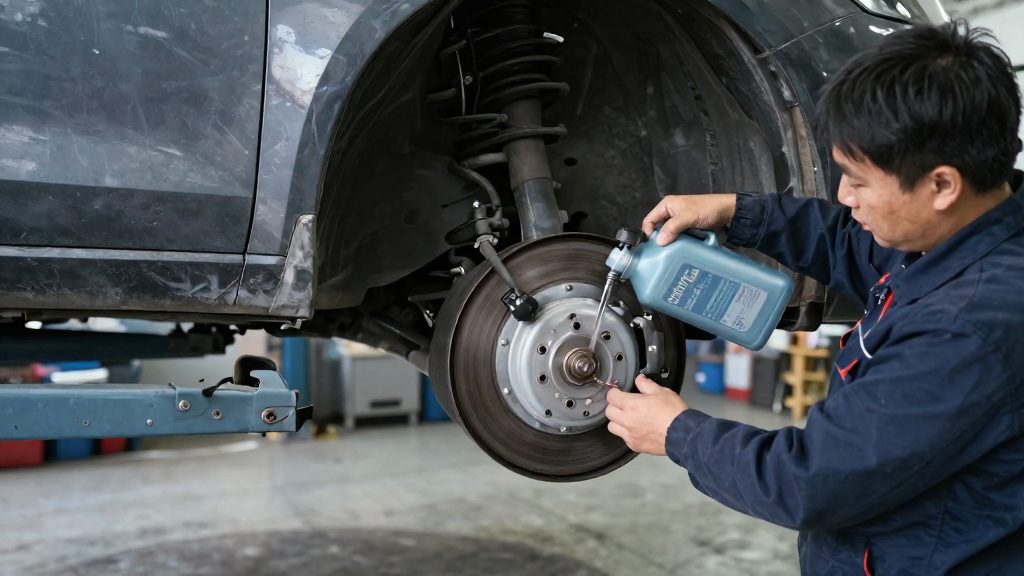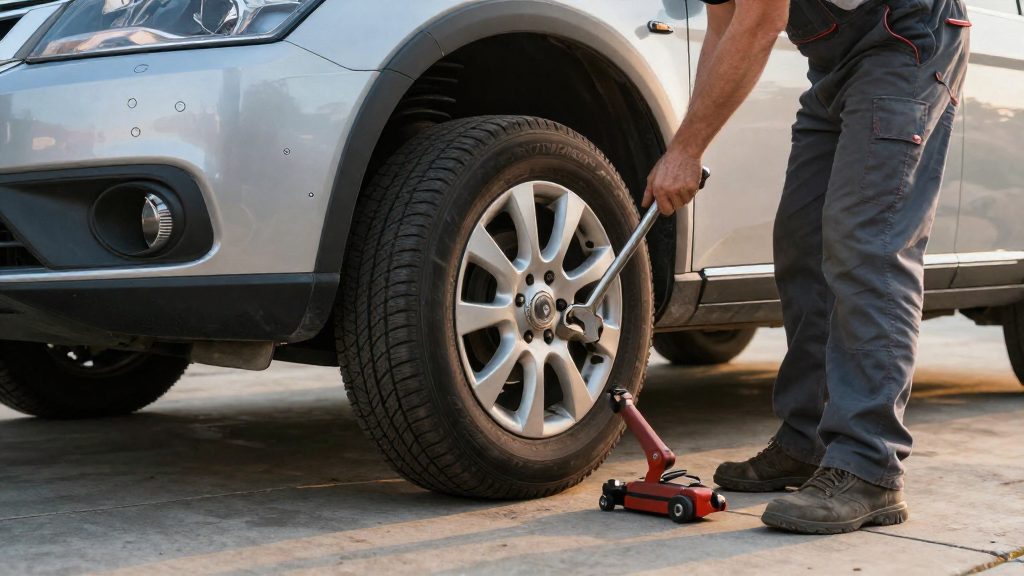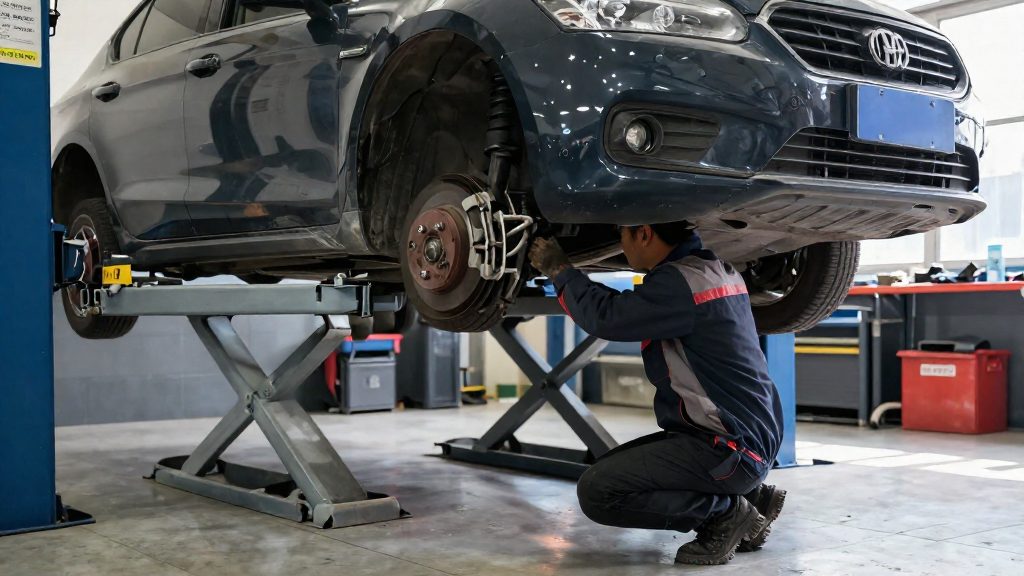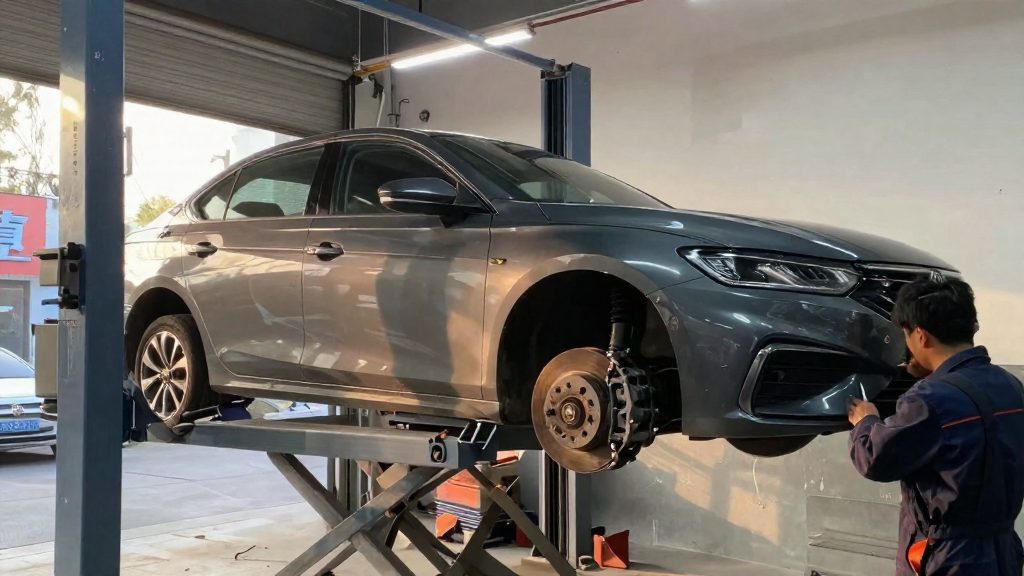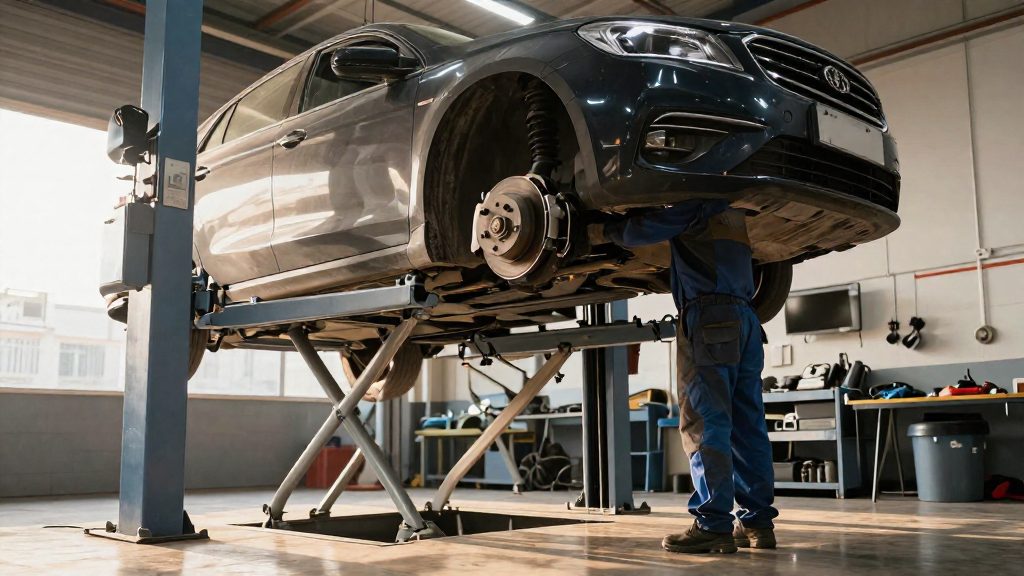
How often must a vehicle be inspected in the United States?
There is no single national calendar for routine inspections of ordinary passenger cars. Each state decides whether a periodic safety or emissions check applies, how often it happens, and which vehicles it covers. The authority to consult is your state’s motor vehicle agency, usually called the DMV. Some states require no routine inspection for private cars, while others set a yearly or other interval. A rule you knew in a previous state does not carry over when you move, so confirm the rule where your car is registered.
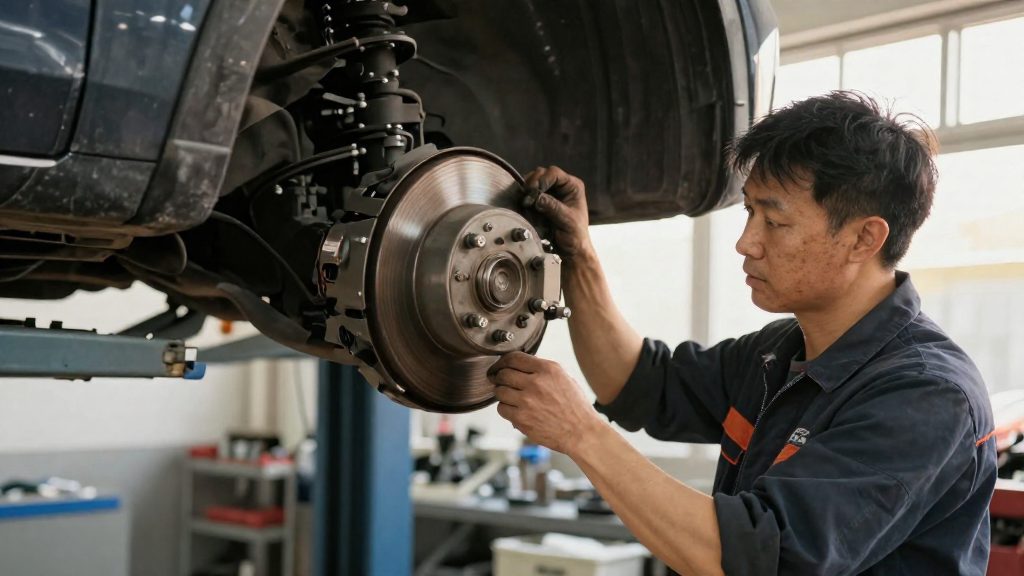
How does New York’s 12-month rule work?
New York is a clear example of a fixed interval. The New York State DMV states that each vehicle registered in the state must be inspected at least every 12 months. The inspection must be completed before the expiration date of the current inspection sticker. Note that date when you receive a sticker so you know when the next inspection is due.
Most cars and light trucks also face an emissions check, and the requirements depend on the vehicle’s age, fuel type, and weight. Motorcycles and trailers follow different annual rules, so look up those categories separately rather than applying the car rules to them.
If a vehicle fails the safety inspection, it must be repaired and pass a new inspection before a sticker is issued. Repairs can be done at a repair shop of your choice. If a vehicle fails the emissions test, it may not be able to be registered, and a vehicle that is already registered may not be able to renew its registration.
When should you book your inspection?
Book well before the sticker or registration expires rather than on the last day. A failed test takes time to repair, and you need a passing result before you can renew. For New York, the DMV says you cannot renew a registration unless it has a computer record of a passing emissions result, or unless you provide the inspection report. Keep your inspection report with your registration papers.
Never accept a sticker for a vehicle that has not been fully and properly inspected. In New York, knowingly accepting a sticker without a complete, compliant inspection is a misdemeanor, and the same applies to the inspector. If a shop offers to skip part of the test or to issue a sticker without testing, walk away.
How do you check open recalls before your inspection?
A routine inspection does not replace a recall check. NHTSA, the US federal vehicle safety agency, runs a free recall lookup at vinrcl.safercar.gov. Enter the vehicle identification number (VIN) from your registration or from the vehicle’s label. The tool reports unrepaired safety recalls for that vehicle. It does not show completed recalls, non-safety campaigns, or a full recall history. Its coverage also has time and manufacturer limits, so read the tool’s current scope notes before relying on a result.
A clean result is not proof that your vehicle has never been recalled. If the lookup shows an open recall, contact an authorized dealer for the manufacturer to schedule the repair, and ask whether the repair is at no charge for your VIN. If the recall notice warns against driving the vehicle, follow that warning until the repair is done.
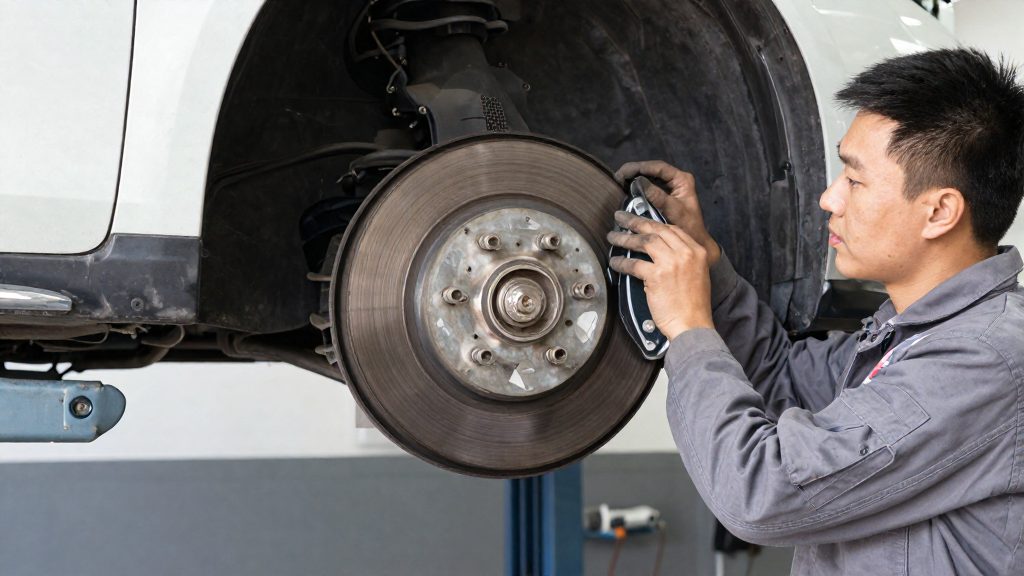
Why don’t inspections replace regular maintenance?
An inspection checks specific items at one moment. It does not schedule oil changes, tire rotations, fluid checks, or belt replacement. Those intervals are set by the manufacturer. Your owner’s manual lists the maintenance schedule for your exact model and engine, and it should be your reference rather than a generic chart from a website. Keep a written record of service so you can show it at inspection and when you sell the vehicle.
What should you do when a warning light comes on?
Dashboard symbols differ by make and model, so check the owner’s manual to learn what each light means. Some lights point to an urgent problem, such as the brake system, engine oil pressure, or charging. If one of those lights comes on, or if any light stays on together with unusual noises, smoke, a soft brake pedal, or a change in steering, pull over safely as soon as you can, stop the engine if the manual advises, and have the vehicle checked before driving further.
Do not clear a warning light to hide it, and do not assume the car is fine because it passed its last inspection. A light reports a condition that appeared after the test.
Where do you confirm your state’s rules?
Use your state’s DMV or motor vehicle agency website, and check your renewal notice, which normally states whether an inspection is due. Confirm the interval, the vehicle types covered, and whether a passing result must be on record before renewal. Rules change, so verify them each time you renew rather than relying on an old calendar or a friend’s experience. The DMV is the authority for your vehicle; a general guide only tells you what to ask.
Frequently asked questions
Do I need an inspection after buying a used car?
It depends on your state. Ask your state DMV whether a transfer or a change of registration triggers an inspection.
Can any licensed repair shop perform my inspection?
Not necessarily. Ask your state DMV which stations are authorized to perform the inspection.
Can I check recalls with my license plate instead of the VIN?
Use the VIN, which identifies your specific vehicle. Confirm it from your registration before entering it in the lookup.