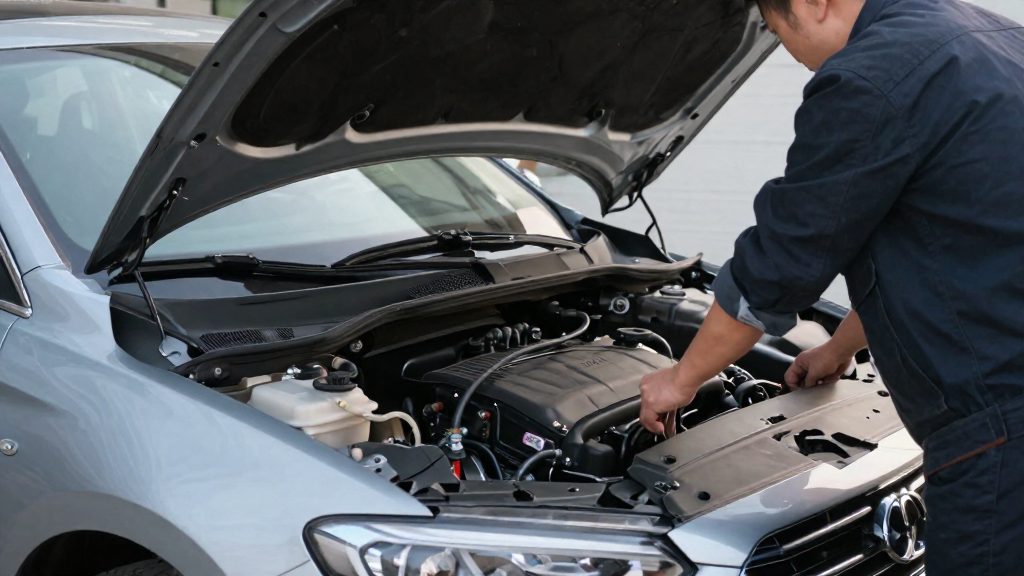
What does the brake warning light mean?
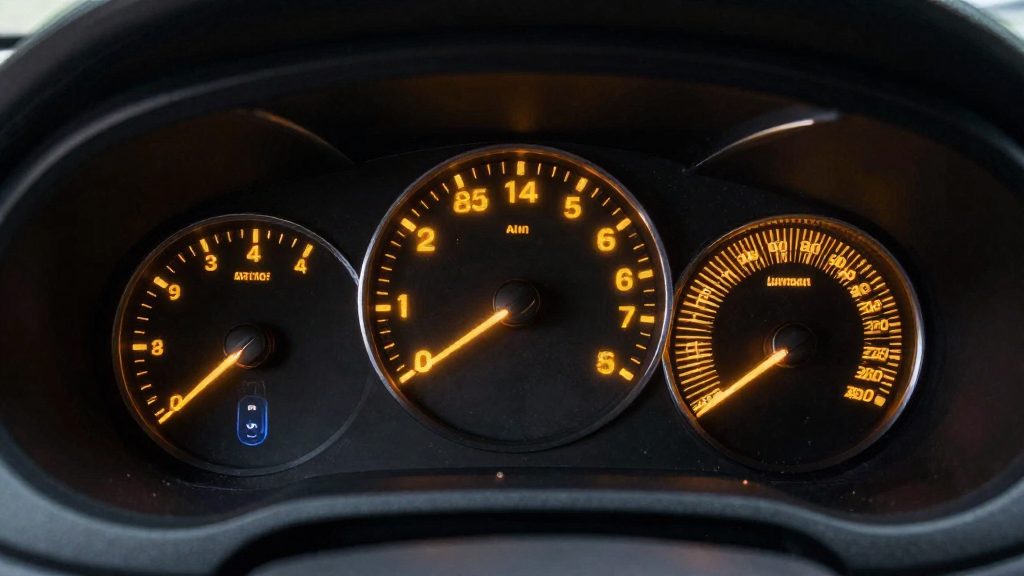
Your dashboard has two brake-related warning lights, and they mean different things. The red brake warning light, usually a circle with an exclamation mark or the word BRAKE, covers the hydraulic brake system: the parking brake, the brake fluid level, and certain system faults. The amber ABS light, usually the letters ABS inside a circle, covers only the anti-lock braking system.
Federal rules for new vehicles explain why the red light comes on so readily. Under Federal Motor Vehicle Safety Standard No. 105, the red lamp must light when the parking brake is applied with the ignition on. It must also light when the brake fluid in any master cylinder reservoir drops to the manufacturer’s recommended safe level or to one-fourth of that compartment’s capacity, whichever is greater. The light is designed to warn you early, but it does not show how serious the problem is. Treat every red light as something to check before you keep driving.
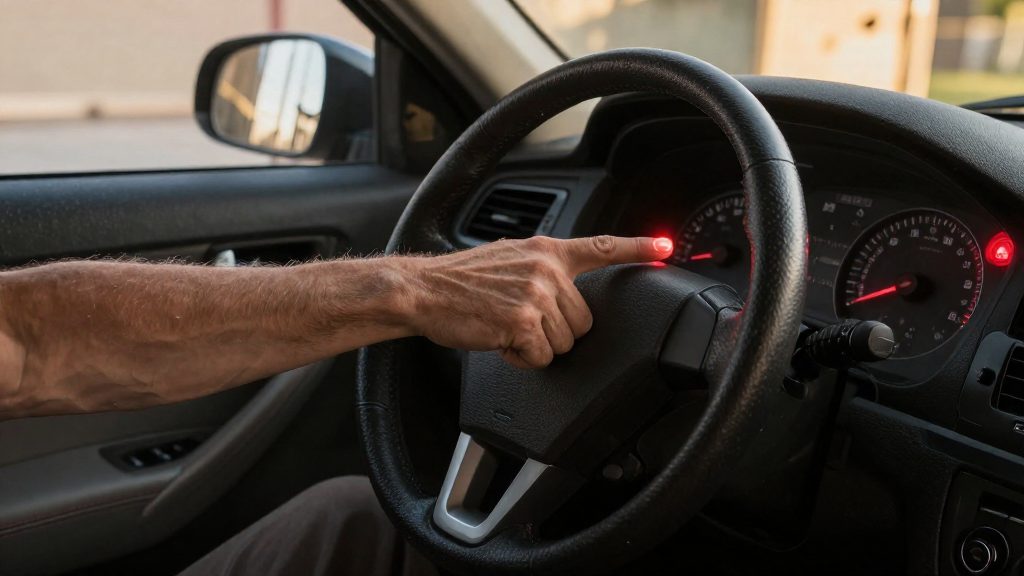
Step 1: Is the parking brake the cause?
Start here, because it is the most common and least serious cause. Park on level ground, put the transmission in park, and release the parking brake fully. If the red light goes off, the parking brake was the cause, and you can continue normally.
If the light stays on after the parking brake is fully released, the brake system needs attention. Move on to the fluid check below and do not assume the problem is harmless. Some newer vehicles use an electronic parking brake with a switch instead of a hand lever. Federal interpretation of the parking brake indicator requirement says the light must be on whenever the parking brake is engaged, however it is applied. If the light stays on or does not match the parking brake, have a technician check it.
Step 2: Check the brake fluid level
Do this only when the engine is off and the engine bay is cool. Find the reservoir using your owner’s manual. It is usually a translucent plastic container near the back of the engine bay, on the driver’s side in many vehicles. The fluid should sit between the MIN and MAX marks on the side of the reservoir.
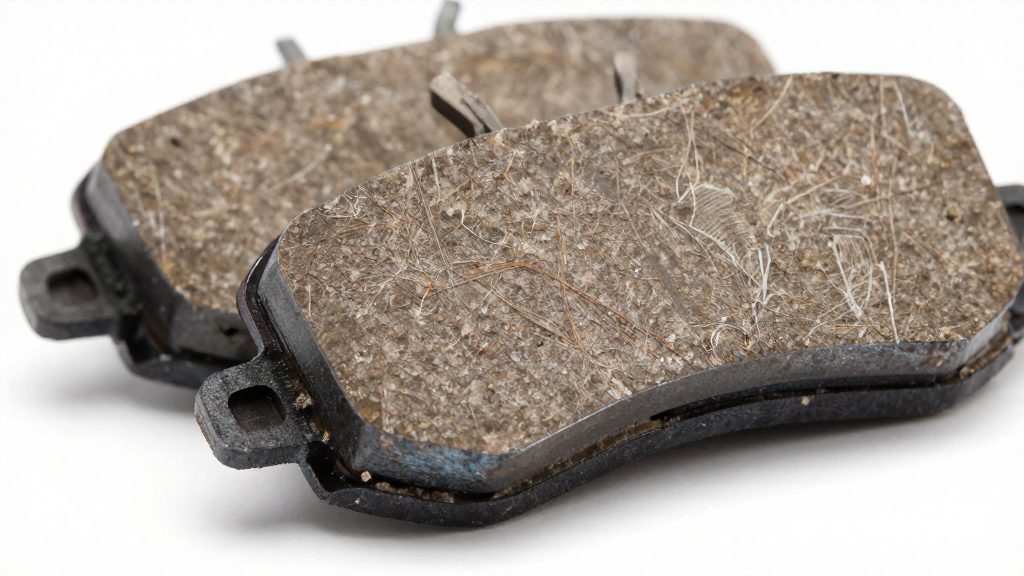
If the level is below MIN, do not drive the car to a shop to be safe. Low fluid usually means one of two things. Either fluid is leaking somewhere in the system, or the brake pads have worn down. As pads wear, the fluid level in the reservoir drops. Adding fluid can make the light go off for a while, but it does not fix the cause, and a leak will keep draining the system.
If you must top up fluid, use only the type named on the reservoir cap or in your owner’s manual. Do not fill above MAX, and do not mix fluid types. Brake fluid absorbs moisture over time, which is one reason it has a service interval.
With the engine running, press the brake pedal firmly and hold it. If the pedal sinks slowly toward the floor, that is a sign of a leak or a loss of pressure. Do not drive the vehicle.
When should you stop driving?
Stop the car as soon as it is safe to do so if any of these apply:
- The red light stays on after the parking brake is fully released.
- The fluid is below the MIN mark.
- The pedal feels soft or spongy, or it sinks when held.
- You hear grinding, or the car pulls to one side when you brake.
- You see fluid on the ground or on the inside of a wheel.
Turn on your hazard lights, pull off the road, and call roadside assistance or a tow truck. Driving a car with a suspected brake leak can lead to a complete loss of braking, so a tow is the safe choice in these cases.
Can you drive with the amber ABS light on?
Often you can drive carefully, but you should get the system checked soon. The ABS helps prevent the wheels from locking during a hard stop, so with the light on, the wheels may lock on slippery roads or in an emergency stop. The regular hydraulic brakes should still work. Brake gently, increase your following distance, and avoid hard braking on wet, icy or gravel roads.
If the red brake light is on at the same time as the ABS light, treat the car as unsafe to drive and follow the stop-driving guidance above.
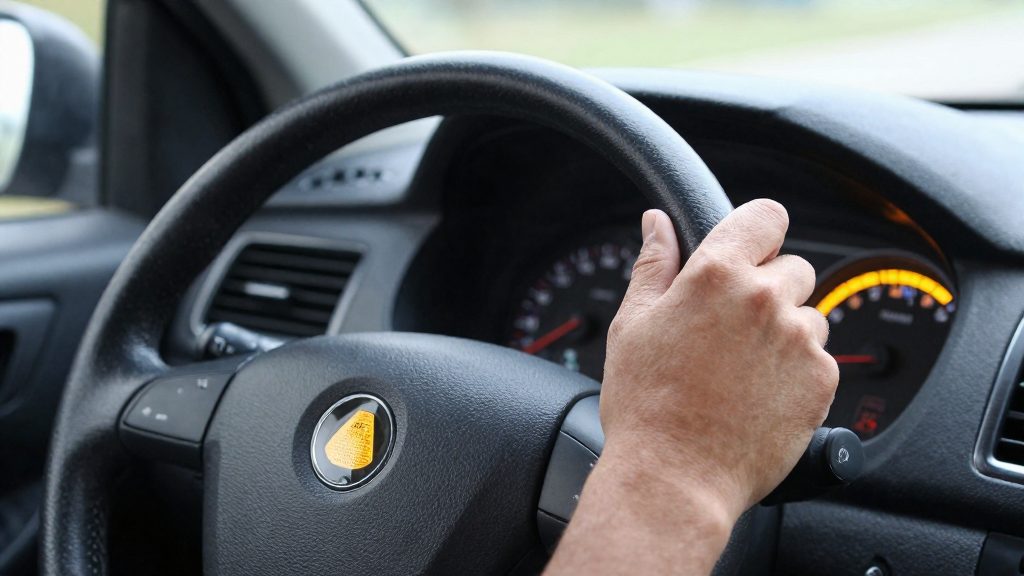
What causes an intermittent brake light?
A light that comes on and off can be harder to diagnose, because the fault may not be present when the car is checked. A manufacturer service bulletin for an intermittent brake light on a 2013 to 2014 Toyota Camry, published by NHTSA, lists the steps a technician should follow. These include checking the fluid level against the minimum mark, looking for leaks or worn pads, and checking whether the ABS module is turning the light on.
In practice, most shops will check the fluid level, look for leaks at the lines, calipers and master cylinder, measure the pads, and scan the ABS and braking systems for stored fault codes. Ask the shop to show you what they found and to explain the repair in writing. If the light returns after a repair, return to the shop.
How do you check for brake-related recalls?
NHTSA runs the official recall lookup at NHTSA.gov/Recalls. You will need your 17-character vehicle identification number, or VIN. You can find it on the lower-left corner of the windshield, on the label inside the driver’s door, or on your registration or insurance card. Enter the VIN, and the tool shows whether your vehicle has an open safety recall.
If a recall applies to your vehicle, call an authorized dealer for the make to schedule the repair. Recall repairs are free, even if the vehicle is outside its warranty period. Ask the dealer whether there are parts available, and bring the recall notice number if you have it.
Recall checks are not a substitute for inspecting a warning light. A recall may cover a brake component, but a light that is on right now still needs checking, whether or not a recall exists.
When should you see a mechanic?
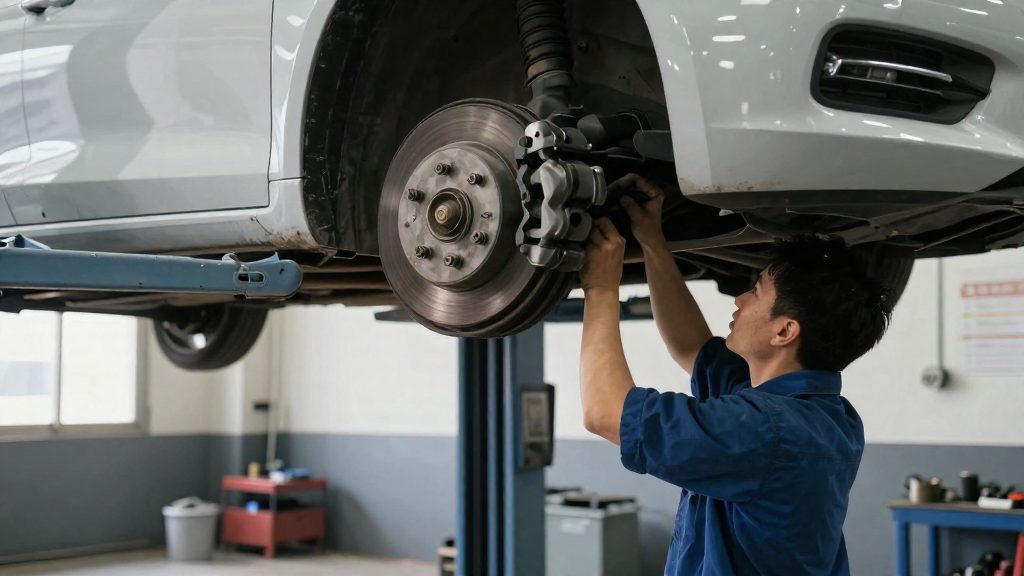
Book an appointment the same day if the red light stays on after the parking brake is released, if the fluid level is low, or if the pedal feels different. Book an appointment soon if only the amber ABS light is on, or if the light flickers on and off. A shop can read stored fault codes, inspect the system for leaks and check the pads and rotors.
Keep your owner’s manual in the car. It lists the correct brake fluid type and the service intervals for fluid replacement, along with the warning lights specific to your vehicle. If the manual and this guide disagree, follow the manual for your vehicle.
When in doubt about whether the brakes are safe, do not drive the car. A tow costs less than a crash.
Frequently asked questions
Does a brake pad wear indicator light work the same way?
Not always. Some vehicles have a separate light or a warning chime for worn pads, while others only use a squealing tab that makes noise. Check your owner’s manual to see which system your vehicle uses.
What is the brake fluid replacement interval?
The interval is listed in your owner’s manual, so follow the figure for your specific model rather than a general rule.
Is it safe to drive home if the light is on but the brakes feel normal?
Not without checking the cause. A brake light that stays on can indicate a leak or a fault that is not yet noticeable in the pedal, so arrange a tow or a shop visit.