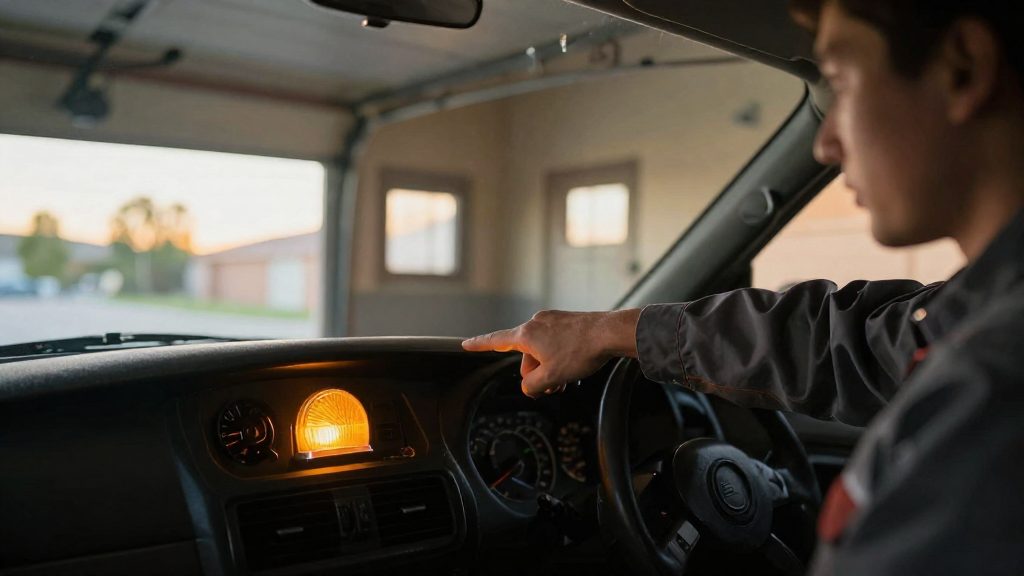
Why does my check engine light stay on?
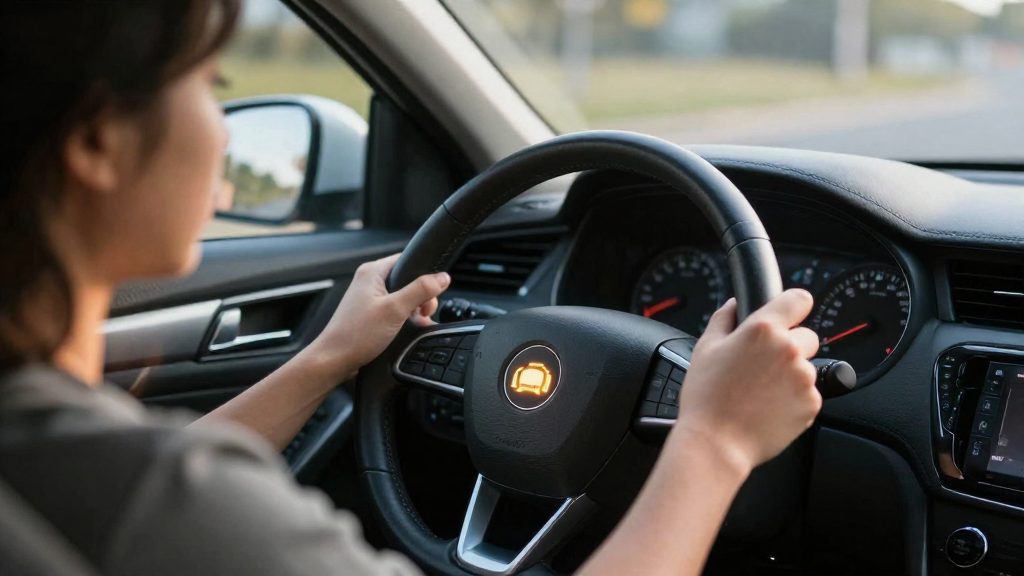
The check engine light, also called the malfunction indicator lamp (MIL), is the warning from your car’s onboard diagnostic system, usually called OBD. The system monitors emission-related components and systems for deterioration and malfunction. When it detects a fault, it turns the light on and stores a trouble code. The EPA notes that the range of causes is wide: OBD can flag anything from a loose or missing gas cap to a severe misfire that can lead to engine damage. A light that stays on means the system has detected a condition that still needs attention, but the light alone does not tell you which one.
Steady light or flashing light: what is the difference?
A steady light means the system has detected a problem and service is needed. It is a warning to get the car checked, not an order to stop immediately. A flashing light is different. The EPA describes it as a severe engine problem, such as a misfire, that should be addressed quickly. A misfire means a cylinder is not burning fuel properly, and it can damage the engine if you keep driving hard.
Is it safe to keep driving?
With a steady light, you can usually keep driving, but do it carefully. The EPA advises that you can still drive safely but should minimize driving. Avoid high speeds and heavy loads, and plan a visit to a mechanic soon rather than waiting until the car fails.
With a flashing light, reduce your speed, avoid hard acceleration, and have the car diagnosed as soon as you can. If the engine runs rough, loses power, overheats, or you notice smoke or a fuel smell, pull over somewhere safe, turn the engine off, and call for a tow or roadside help. Do not keep driving in search of a shop.
What simple checks can you try first?
Start with the gas cap. After refueling, make sure it is on, tight, and not cracked or missing. The EPA explains that a loose cap lets fuel vapor escape, and the system detects that leak. Avoid refueling with the engine running, because that can turn the light on.
Next, check your owner’s manual for the meaning of the light and any instructions specific to your model. Write down what you have noticed: rough running, a change in fuel economy, an unusual noise, or an event just before the light came on. That information helps a mechanic. Do not remove parts or work in the engine bay beyond what the manual describes, and never get under a car supported only by a jack.
How do you read the trouble codes?
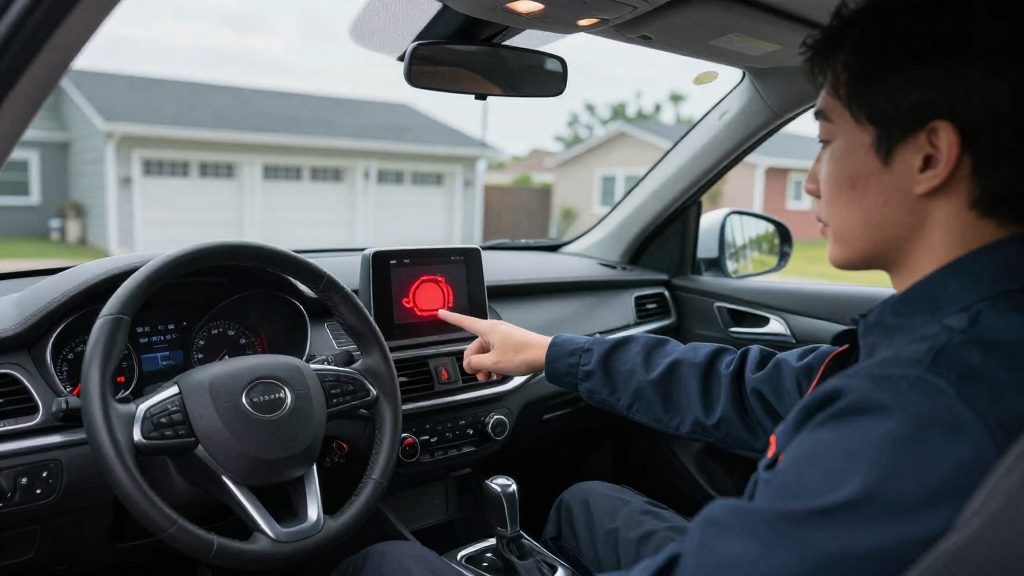
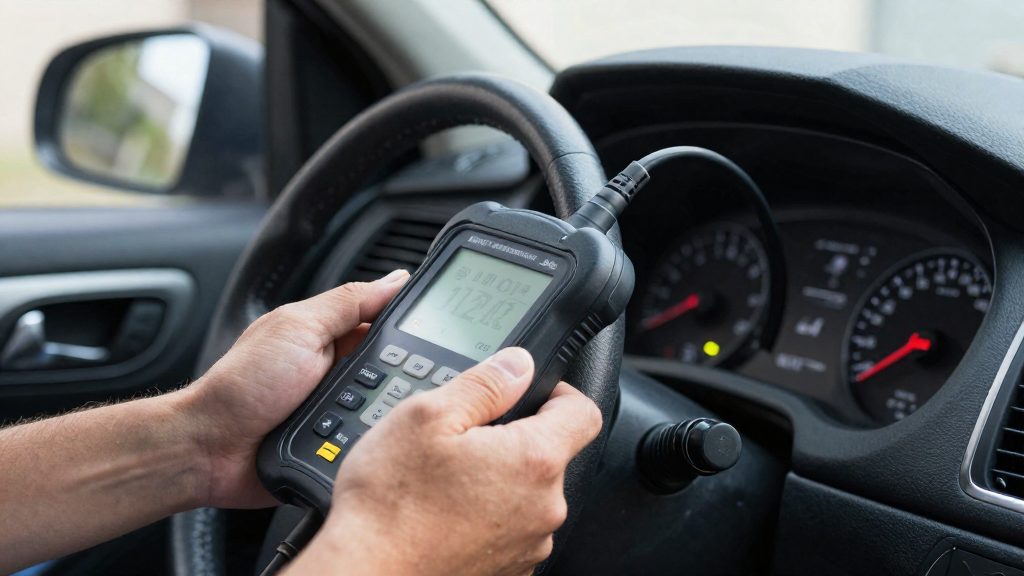
The light is linked to a stored code, which you read with an OBD-II scanner plugged into the port under the dashboard. Some auto parts stores offer a free code reading, and a repair shop or dealership has a professional scan tool. The code points to the system or circuit that reported the fault. It does not confirm a broken part. Look up the code in your manufacturer’s service information, or ask the technician which test confirms it. Do not replace parts based on the code alone.
Will a lit check engine light fail inspection?
It depends on where you live, because each state runs its own rules. In New Hampshire, for example, the state DMV says a vehicle is rejected if the light is on during the OBD test, which covers gasoline cars from model year 1996 onward. The same program allows a one-time repair period to fix the problem and retest.
Many programs also check readiness monitors, which are self-tests the system runs in the background. After codes are cleared, these monitors reset and need normal driving to finish, so a car can fail for not being ready even when the light is off. Check your state DMV or emissions program for the exact rules, including any repair waiver.
Why doesn’t clearing the code fix the problem?
Clearing a code with a scanner erases the stored information and resets the readiness monitors. It does not repair anything. If the fault is still present, the light comes back once the system detects it again, and you have lost the stored data a technician could have used. EPA guidance on OBD readiness also makes clear that readiness does not mean a vehicle has passed inspection. Clear a code only after a repair is confirmed, or when a shop asks you to.
When should you see a mechanic?
See a mechanic soon if the light is steady and tightening the gas cap did not turn it off. Get help right away if the light flashes, or if you notice power loss, rough running, overheating, smoke, or a fuel smell. If an inspection is coming up in your state, book the visit before the test date.
When you arrive, ask whether the shop is trained on OBD-II vehicles and whether it has an OBD-II scan tool. Ask for the trouble code, what it means for your model, and the test used to confirm the fault before any part is replaced.
Frequently asked questions
Is a check engine light repair covered by warranty?
Federal law requires manufacturers to cover certain emission-related parts for a set period of time or mileage, for defects in materials or workmanship. Coverage depends on the vehicle’s age and mileage and on whether improper maintenance or use caused the failure. Check your warranty booklet and ask a dealership.
Will the light go off by itself after I tighten the gas cap?
Usually, if the cap was the cause. The EPA says the light should go out within a few days once the cap is tightened. If it stays on after that, the fault may need a repair.
Does a light that goes off on its own mean the problem is gone?
Not necessarily. The system can turn the light off automatically if it no longer detects the fault over three consecutive evaluations. If the fault returns, the light comes back, so keep an eye on it and have the car checked if it does.