What does the low coolant warning light mean?
Dashboard indicators for the cooling system are distinct. Understanding the specific signal prevents misdiagnosis.
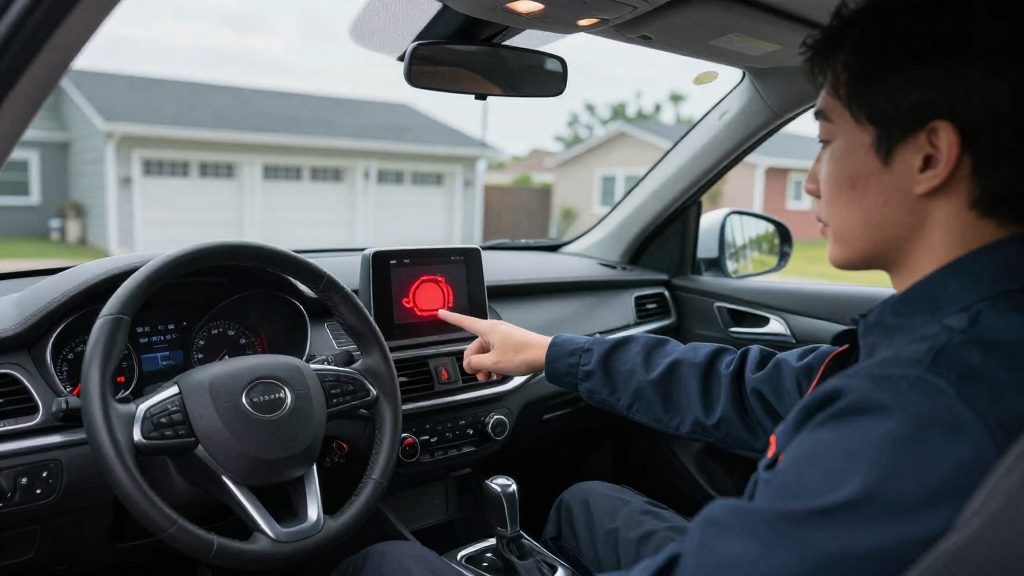
Red temperature gauge A red light or a needle pointing to the red zone signals engine overheating. This is a critical failure state.
Amber low-level sensor light An amber or yellow light typically indicates that the coolant level in the reservoir has dropped below the minimum threshold. Unlike the red warning, this does not necessarily mean the engine is currently overheating, but it signals a loss of fluid volume, often due to a leak or evaporation. While less urgent, it requires attention before the level drops further and triggers an overheat condition.
Gauge needle interpretation On vehicles equipped with a temperature gauge, the needle position provides a continuous reading.
- Normal range: The needle rests in the middle of the scale.
- Warning zone: The needle drifts toward the upper limit, indicating rising temperatures.
- Critical zone: The needle enters the red section, indicating overheating.
| Indicator Type | Color/Position | Meaning | Immediate Action |
|---|---|---|---|
| Temperature Light | Red | Engine Overheating | Stop engine, tow vehicle |
| Level Sensor | Amber/Yellow | Low Reservoir Level | Check level when cool, inspect for leaks |
| Temperature Gauge | Needle in Red Zone | Engine Overheating | Stop engine, tow vehicle |
Is it safe to drive with the coolant light on?
Safety depends entirely on the color of the warning light and the temperature gauge status.
Red Light: Immediate Stop Required A red coolant or temperature warning light usually signals overheating, but on some vehicles a red symbol also means a low coolant level. Check your owner’s manual for the exact meaning, and treat any red coolant warning as a reason to stop.
Amber Light: Limited Tolerance An amber light indicates low coolant level or a sensor issue, not necessarily an active overheat. Check the coolant level once the engine is cool. If the temperature gauge rises toward the red zone, stop and shut off the engine. If the gauge needle rises into the red zone while the amber light is on, the situation escalates to the severity of a red light warning.
Risk of Engine Damage Ignoring the warning exposes the engine to overheating damage. Sustained high temperatures can warp cylinder heads, damage gaskets, and seize the engine. The primary risk is the underlying thermal stress, not just the light itself.
What to do right when the light comes on
When a red coolant or temperature warning light illuminates, immediate action is required to prevent thermal damage. Pull over as soon as it is safe to do so.
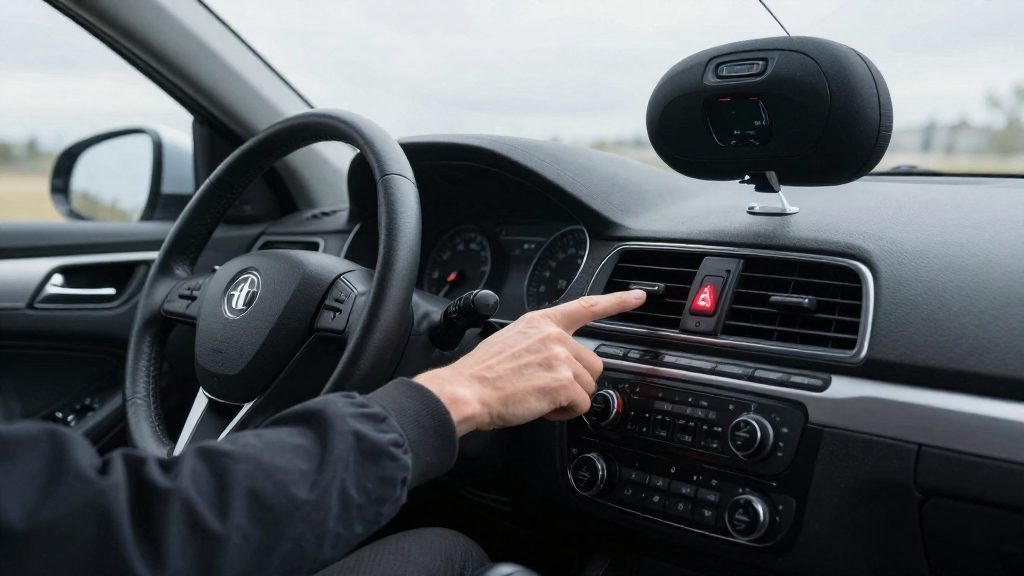
First, turn the heater on full blast. This draws heat away from the engine block into the cabin, helping to lower engine temperature. Simultaneously, switch off the air conditioning to reduce engine load.
Next, stop in a safe location. Pull over to the shoulder or a parking area away from traffic. Turn the engine off immediately.
After shutting the engine, wait for it to cool completely before inspecting the system. The cooling system operates under pressure; hot coolant and steam can erupt, causing severe burns. Only once the engine is cool to the touch should you check the coolant level. If low, you may add coolant, but never add cold water to an overheated engine, as thermal shock can crack the engine block. If the engine has overheated, have the vehicle towed for inspection.
How to check coolant level safely
Inspecting the cooling system requires strict thermal safety protocols to prevent burns.
Once the engine has cooled to the touch, proceed with the physical inspection:
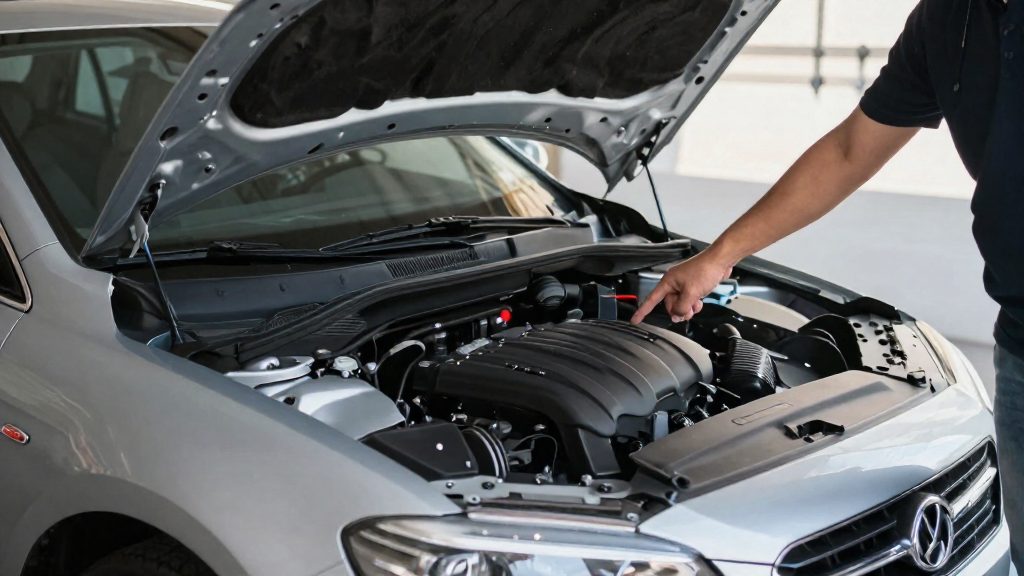
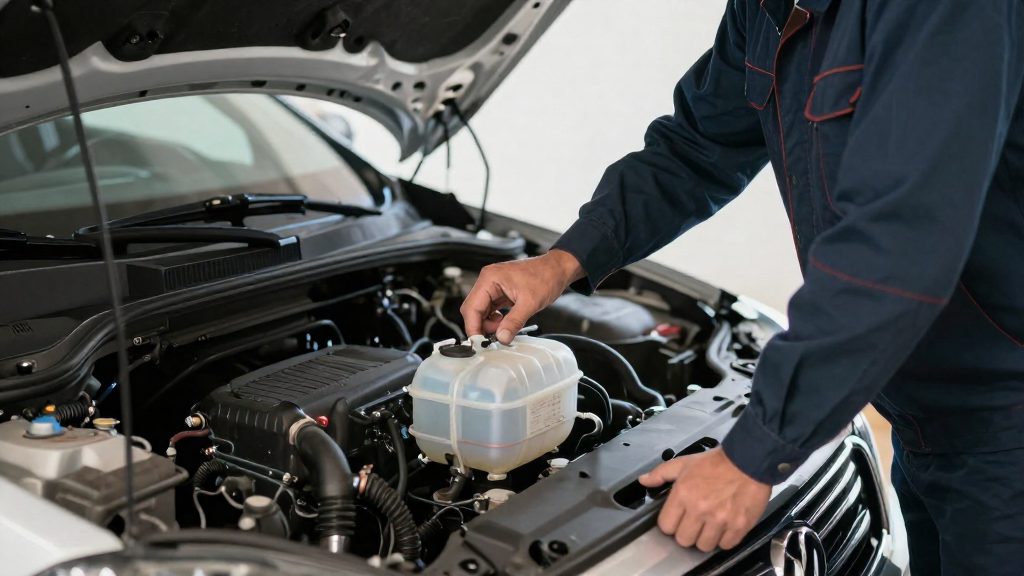
- Locate the Reservoir: Identify the translucent plastic expansion tank, usually near the radiator.
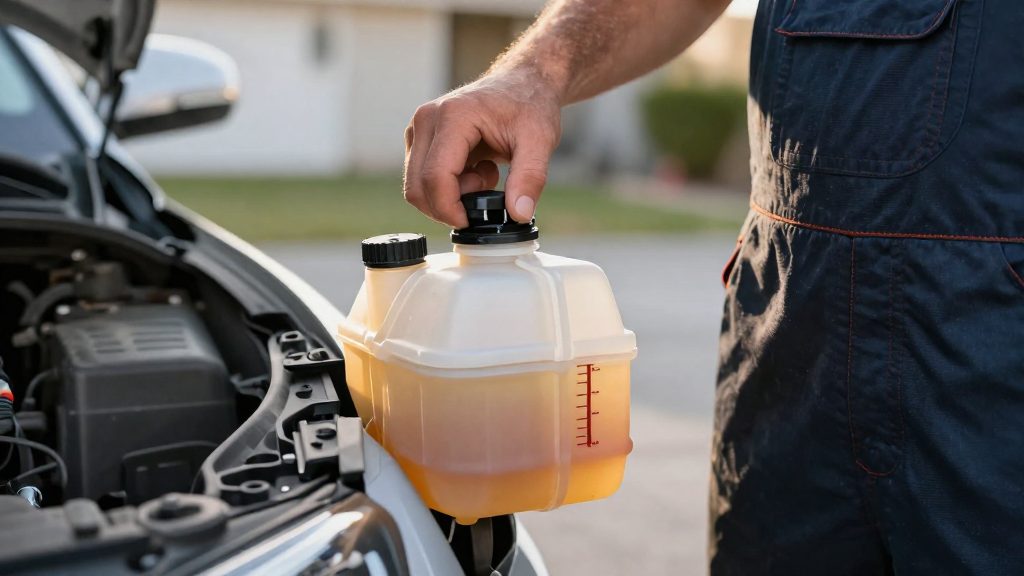
- Check Min/Max Marks: View the fluid level against the “Min” and “Max” indicators molded into the tank. The level should fall between these lines when the engine is cold. If below the minimum mark, the system is low.
- Inspect the Radiator Cap: Only open the cap when the engine is fully cold, following your owner’s manual. Cover it with a thick cloth and loosen it slowly to release any remaining pressure. Examine it for wear, corrosion, or a damaged rubber seal. A compromised cap can fail to maintain system pressure, leading to premature boiling and coolant loss.
If the level is low and the engine is cool, top up with the correct coolant specified in your vehicle’s manual. If the level drops repeatedly without visible leaks, the issue may be internal, requiring professional diagnosis.
| Component | Inspection Action | Safety Condition |
|---|---|---|
| Expansion Tank | Verify fluid level between Min/Max marks | Engine must be cold |
| Radiator Cap | Check seal integrity and corrosion | Engine must be cold |
| Hoses | Look for cracks or bulges | Engine must be cold |
Why is my coolant light on when the engine is cold?
A warning light illuminating while the engine is cold typically indicates one of three issues: a faulty coolant level sensor, an actual low coolant level, or an air lock within the cooling system.
Faulty coolant level sensor Modern vehicles use electrical sensors to monitor fluid levels. If the sensor fails, corrodes, or gets stuck, it may send a false signal even when the reservoir is full. Visually inspect the reservoir. If the fluid is clearly between the “Min” and “Max” marks and the light remains on, a faulty sensor is a likely explanation. Do not assume the engine is safe, though: if the warning persists, have the system diagnosed.
Actual low coolant level If the fluid is visibly below the minimum line, the system is genuinely low due to slow leaks, evaporation, or improper topping off. A genuinely low level is confirmed by checking the reservoir when the engine is cold. Check the reservoir and radiator (only when cold) to confirm volume.
Air lock in system After a recent coolant change or repair, air can become trapped in the cooling circuit. This air pocket can prevent the sensor from making proper contact with the liquid, triggering the warning light. It can also cause the fluid level to appear lower than it actually is. Bleeding the system according to the manufacturer’s procedure usually resolves this.
If the level is correct but the light persists, the issue is likely electrical or related to trapped air.
Common causes: leaks and faulty sensors
The underlying issue typically stems from either physical fluid loss or an electrical fault in the monitoring system.
Physical leaks are the most frequent cause of actual fluid loss. Common points of failure include:
- Radiator hose leaks: Rubber hoses degrade over time due to heat and vibration. Cracks or bulges allow coolant to escape, often leaving visible residue on the engine bay floor.
- Water pump seal failure: The water pump circulates coolant. Its internal seal can wear out, causing a slow drip that may be difficult to spot until the level drops significantly.
Faulty sensors can trigger the warning light even when the coolant level is adequate. The coolant level sensor is a switch located in the reservoir or radiator. If the wiring harness becomes damaged, corroded, or disconnected, the sensor may send a false signal. This electrical fault mimics a low-level condition without actual fluid loss.
To differentiate, inspect the reservoir and engine bay for wet spots or dried coolant residue. If the fluid level is correct and no leaks are visible, the sensor or its wiring is the likely culprit.
When to call a mechanic or tow
Determining whether a low coolant warning requires immediate professional intervention depends on symptom severity and damage risk.
Visible coolant puddles under the vehicle indicate an active leak. If you see green, orange, or pink fluid pooling beneath the car, the cooling system is losing pressure. Continuing to drive risks running the engine dry, leading to catastrophic internal damage. Do not attempt to drive to a shop; arrange for a tow.
Repeated overheating incidents signal a systemic failure rather than simple fluid loss. If the temperature gauge spikes into the red zone multiple times, or if the engine shuts down automatically due to heat, the thermostat, water pump, or radiator may be compromised. After even one confirmed overheating, a refill is not enough: have the engine inspected, and expect recurrence to require diagnostic testing to identify the root cause.
Persistent sensor error codes often accompany physical issues. If the dashboard displays a check engine light alongside the coolant warning, or if the temperature reading fluctuates erratically without corresponding engine heat, the sensor may be faulty. However, a faulty sensor can mask a real overheating problem. A mechanic must scan the vehicle’s computer to distinguish between a bad sensor and actual thermal stress.
| Symptom | Action Required | Reason |
|---|---|---|
| Visible fluid leak under car | Tow to mechanic | Active loss of coolant leads to rapid overheating |
| Engine shuts off due to heat | Tow to mechanic | Indicates severe thermal damage risk |
| Erratic temperature gauge | Diagnostic scan | Distinguishes sensor failure from real overheating |