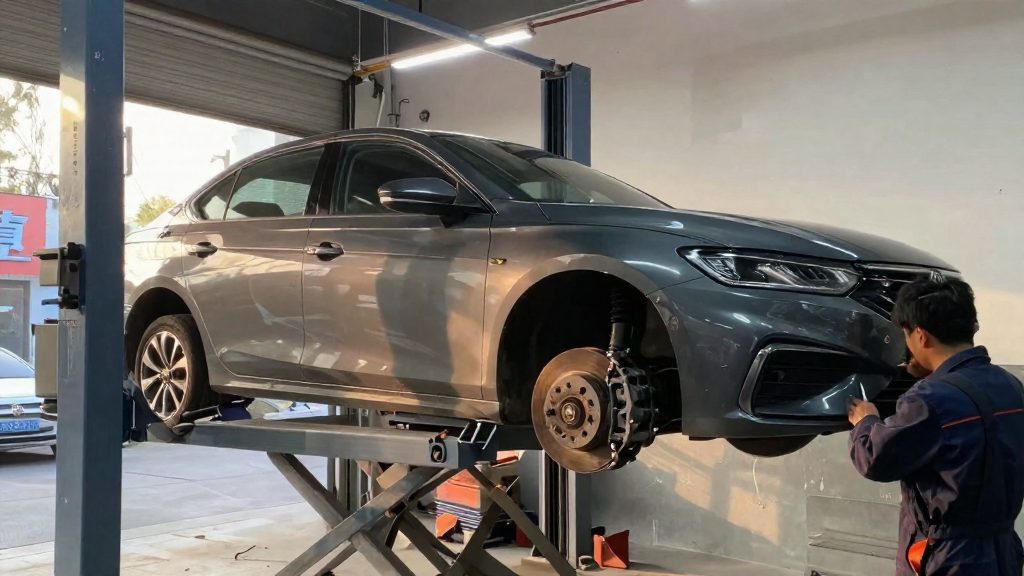
Does your state require a vehicle safety inspection?
Not every state does. A periodic safety inspection checks basic equipment such as brakes, tires, lights, steering, and the windshield, usually at a licensed inspection station. Periodic inspections for ordinary passenger cars are set by each state, not by one federal rule. Commercial vehicles follow separate federal requirements.
To find out what applies to your car, search your state’s motor vehicle agency or DMV website for ‘vehicle inspection.’ Official state sites end in .gov. Confirm the rule for your vehicle type, since trailers, motorcycles, and commercial vehicles are sometimes treated differently.
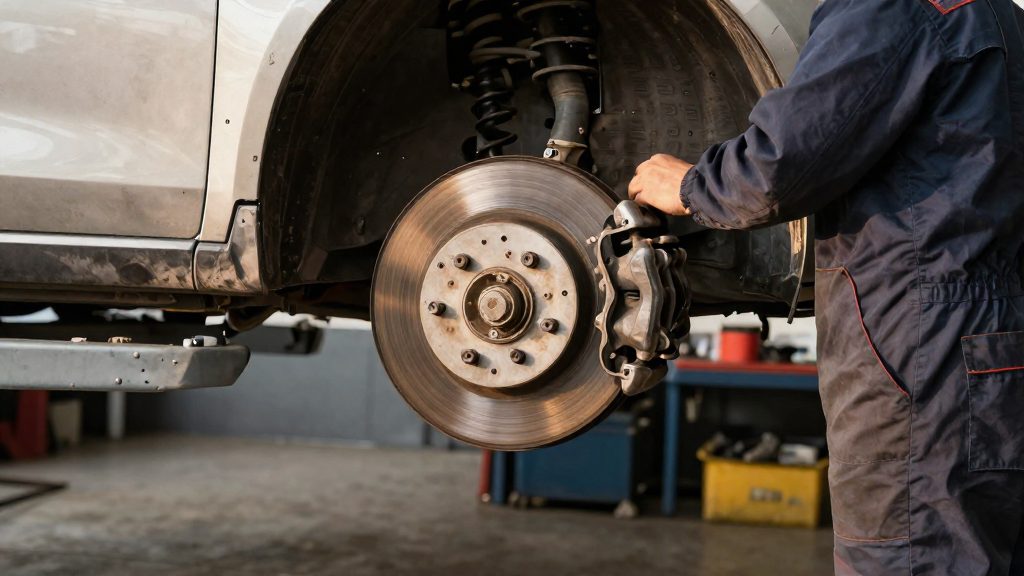
How often do states require inspections?
Frequency varies. Where a state does inspect, the interval is usually one year or two. New York, for example, requires each registered vehicle to be inspected at least every 12 months. That is New York’s rule, not a rule that applies to your car unless you register it there.
Your state’s interval is published on the DMV website and is often referenced when you renew your registration. Some states also exempt very old vehicles, so check the exemption rules before you assume your car is covered.
Why is a safety inspection different from an emissions test?
The two checks are separate. A safety inspection looks at the parts that keep a car safe to drive. An emissions test measures what leaves the tailpipe. Emissions programs are typically driven by federal Clean Air Act rules, and many states run them only in certain metropolitan areas, not statewide.
This means a car can pass one check and fail the other, and in some states you may need neither. Confirm which tests apply in the county where you register the vehicle.
When might an inspection be required?
The most common trigger is registration renewal. Some states also require an inspection when a used car changes hands or when a vehicle is registered in the state for the first time. Requirements can differ by trigger, so check the DMV rules for each one.
If you buy a used car, ask the seller for any recent inspection report. Do not assume that a sticker or certificate from another state carries over. After a move, the rules of your new state usually apply.
What do inspectors usually check?
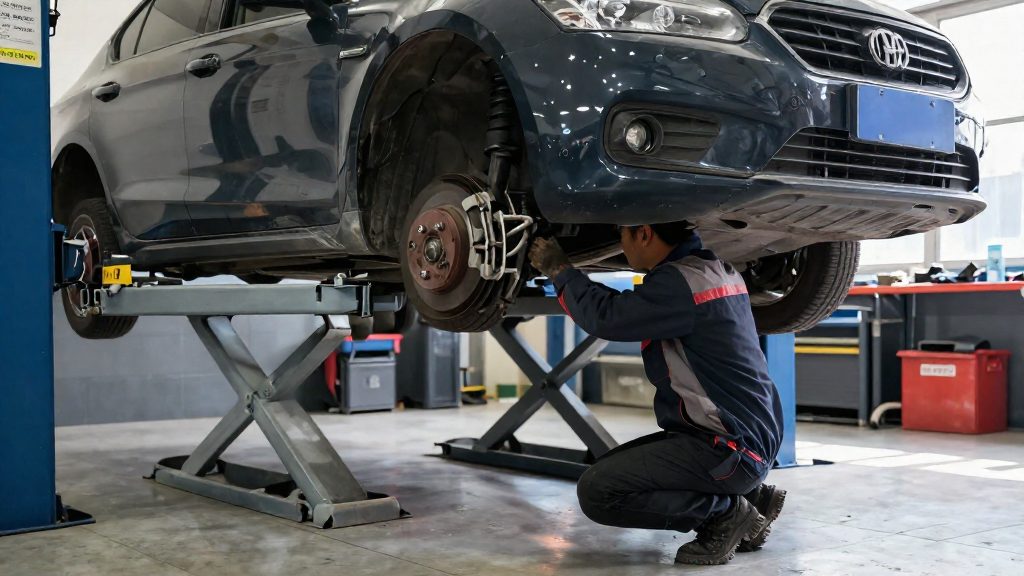
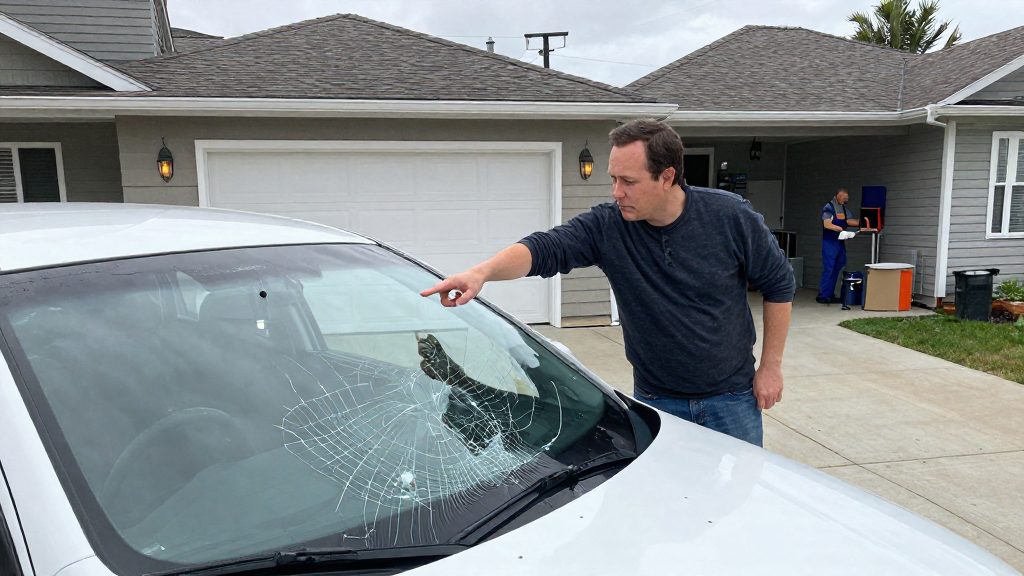
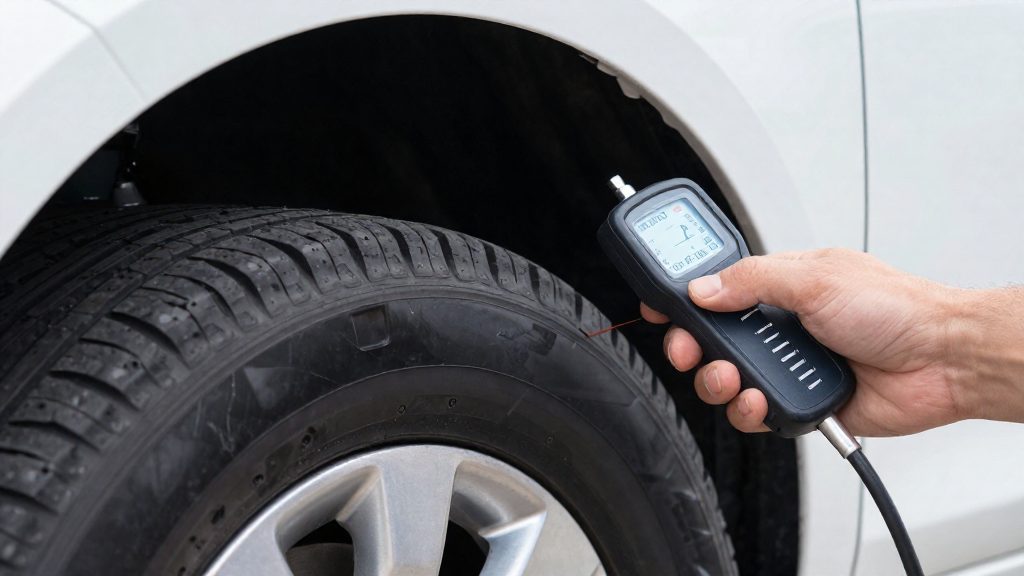
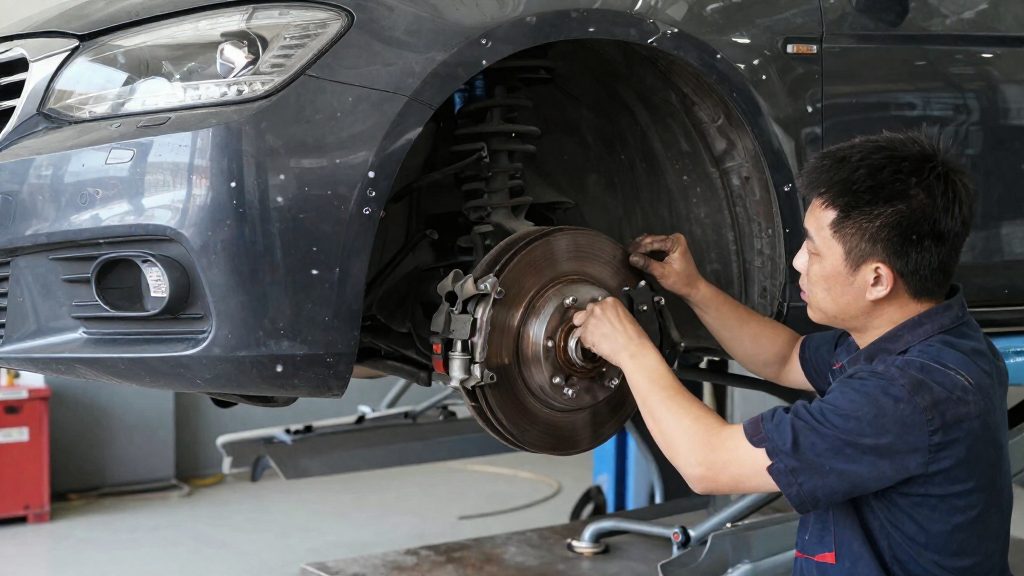
Checklists vary, but most safety inspections cover the same basic systems: brakes, tires and wheels, steering and suspension, lights and turn signals, windshield and wipers, horn, mirrors, and visible frame or body damage. Some states add items such as window tint or exhaust leaks.
Read your state’s published checklist before your appointment. You can fix simple items yourself, such as a burned-out bulb or a worn wiper blade, if you can do the work safely. For brake, steering, or suspension problems, have a qualified shop inspect the vehicle instead of attempting repairs at home.
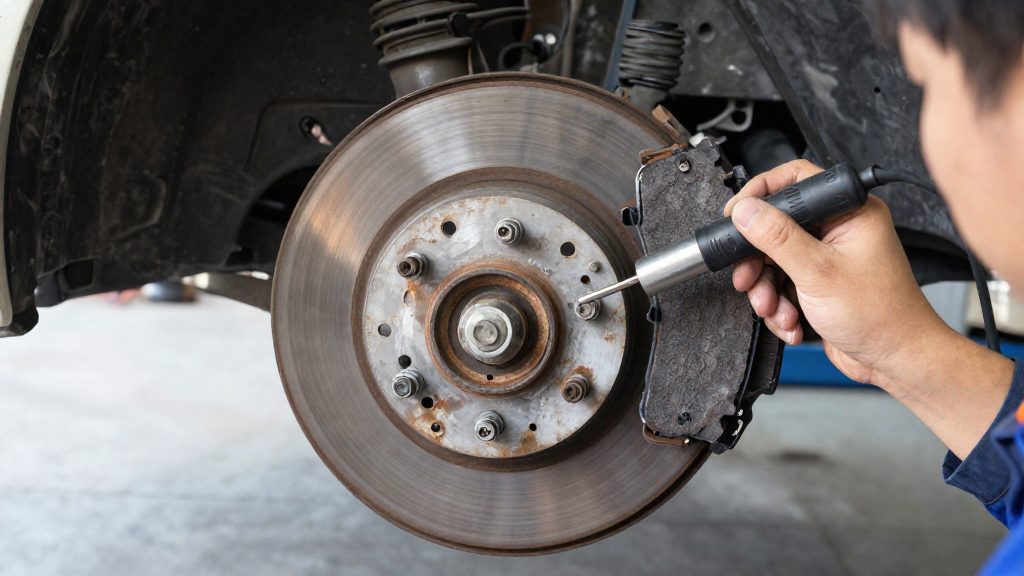
How do I check my vehicle for open recalls?
A recall is separate from an inspection. It means the manufacturer has identified a safety defect or a noncompliance that needs repair. For U.S. vehicles, NHTSA’s free recall lookup at nhtsa.gov/recalls checks a vehicle by its 17-character vehicle identification number (VIN). The VIN is on the lower-left corner of the windshield and on the label on the driver’s-side doorjamb.
The lookup lists open recalls for that vehicle. Completed repairs do not appear, and recently issued recalls may not yet list every affected vehicle, so check again later. NHTSA says recall repairs are free at a manufacturer’s local dealership. Call the dealer to schedule the repair and to confirm the parts are available. You can also sign up for email recall alerts on NHTSA’s website.
NHTSA recommends checking for recalls at least twice a year, and its reminders are timed to the spring and fall clock changes. Check a used car before you buy it, too.
Why did New Hampshire suspend its inspection program?
New Hampshire shows how quickly these rules can change. In June 2025, state lawmakers approved a budget that ended mandatory safety and emissions inspections for most passenger vehicles, effective January 31, 2026.
Before that date, a federal court issued a preliminary injunction on January 27, 2026, ordering the program to continue. The lawsuit argued that the state needed EPA approval before ending the program. The Executive Council then declined to extend the contract with the program’s vendor, which left the state without an approved vendor. On February 13, 2026, the state suspended the program until further notice, and inspection stations were told to stop issuing state inspection stickers.
On April 30, 2026, the state’s Attorney General announced that the First Circuit Court of Appeals had stayed the injunction while the appeal continues. A separate EPA review of the state’s plan to remove the program was still open, and EPA has proposed conditional approval. Because these steps were not final when this article was written, confirm the current status on the New Hampshire DMV website. Drivers must keep their vehicles safe in the meantime. Police can stop a car with a defect such as a broken brake light, even when no inspection is required.
What should you do now?
Start with your state’s DMV or motor vehicle agency website to confirm whether a periodic safety inspection applies to your car, how often it is due, and what the checklist covers. Then run your VIN through NHTSA’s recall lookup. If a recall appears, contact the dealer before the repair date and ask whether the vehicle should be driven before the repair is done. Keeping these records in one place makes the next inspection or registration renewal much easier.
Frequently asked questions
What if my car fails the safety inspection?
Most stations give you a written report listing the items that failed. Repair those items and return for re-inspection within the time your state allows. The DMV website explains the re-inspection rules.
Do I need an inspection after moving to a new state?
Usually yes, when you register the vehicle in the new state. The new state’s rules apply, so ask the DMV what it requires before your first registration renewal there.
Can I keep driving a car with an open recall?
Ask the dealer whether the vehicle is safe to drive before the repair. Follow the recall notice, and if it warns against driving, arrange another way to get around until the repair is done.