Is there one national retest rule in the US?
No. Periodic vehicle inspection is run state by state, and no federal law sets one deadline or one number of free retests for every driver. The National Highway Traffic Safety Administration publishes Highway Safety Program Guideline No. 1, which recommends that each state run a periodic inspection program for registered vehicles, with inspectors trained and certified by the state. That document is a guideline. It shapes state programs, but it does not give you a deadline and does not decide whether your retest is free. Those answers come from your state’s law and its motor vehicle agency.
The examples below show how several states handle the same problem. They are not the rules where you live.
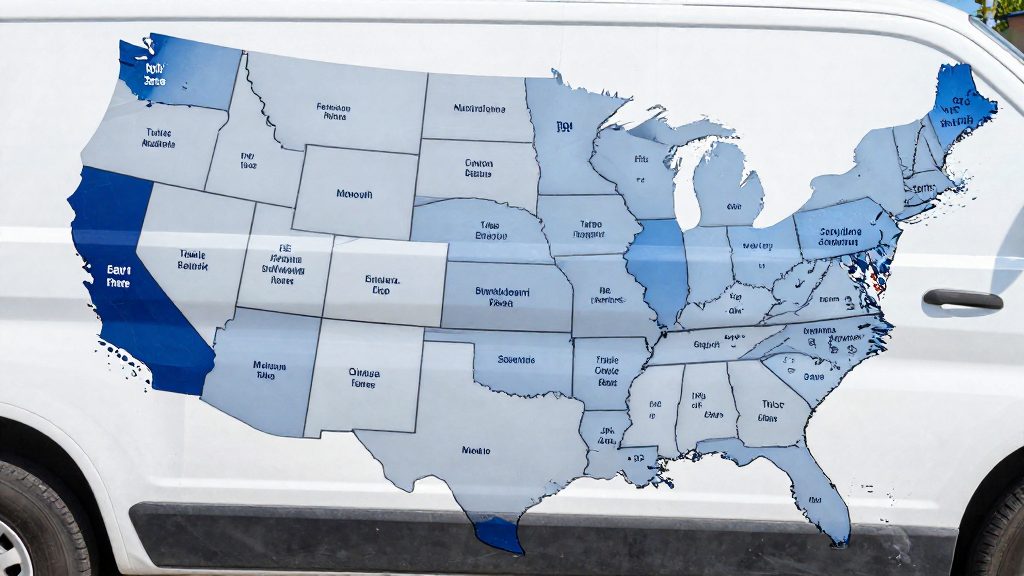
How long do you have to get a retest?
Each state sets its own window, and the starting point for counting matters as much as the length.
- Rhode Island: you have 30 days to complete repairs and return to the same inspection station for a free retest.
- Virginia: for an emissions failure, the free retest must take place at the original station within 30 calendar days of the initial emissions inspection. The clock starts on the date of that first test.
- Pennsylvania: PennDOT states that a vehicle can be re-inspected free of charge within 30 calendar days at the station that performed the original inspection. Emissions retests are governed by the Pennsylvania Code.
- Washington, DC: you must re-inspect the vehicle within 20 calendar days of the failure notice.
Count the days on a calendar from the date printed on your failure report, and write the deadline down when you receive it. If repairs will take longer than the window allows, contact the station or the agency before the window closes rather than assuming an extension exists.
Is the retest free?
Usually only within limits. Free retests are normally tied to a number of attempts and to the original station:
- Rhode Island and Virginia each allow one free retest at the original station.
- Washington, DC allows two free re-inspections during the 20-day window. A third re-inspection within that window, or any re-inspection after it closes, is paid.
- Pennsylvania requires a retest fee for emissions retests performed after the 30-day period or after the free retest has been used.
If you take the car to a different station, expect the free retest to be unavailable in the states above, because the free retest is tied to the station that performed the first inspection.
Why does the type of failure matter?
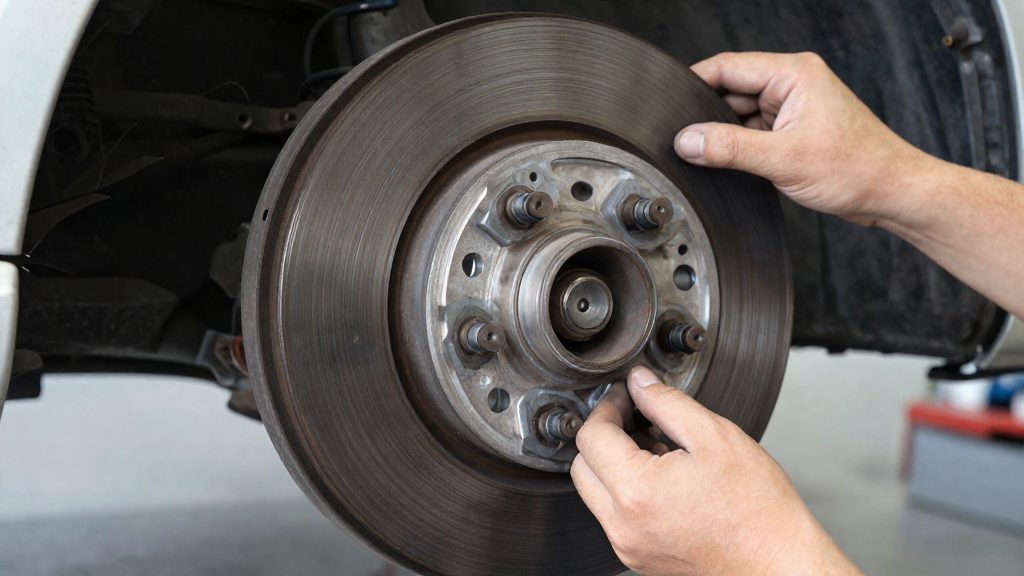
A state may run a safety inspection, an emissions test, or both, and each can carry different retest rules. A safety failure concerns equipment that affects whether the vehicle is safe to drive, such as brakes, steering, tires, or lights. An emissions failure concerns pollution-control equipment. Read the rules for each test separately, because a deadline for one may not apply to the other.
If the failure involves brakes, steering, tires, or lights, have the repair done before you drive more than you must. Consult the manufacturer’s documentation for the affected component and have a qualified shop confirm the repair before you return for the retest.
When does a waiver apply to an emissions failure?
Some states run waiver programs for emissions failures, but eligibility and conditions are set by each state. Rhode Island is explicit on one point: waivers are issued only for emissions defects, and the vehicle must pass the safety portion of the test before you can apply. A waiver therefore never replaces a passing safety inspection. Before you spend money on repairs expecting a waiver, ask the state agency what documentation and repair attempts it requires.
How do you prepare for the retest?
Start with the items listed on the failure report. Repair only what the report identifies, and keep the receipts and any paperwork that shows the repair was done. Schedule the retest before the deadline, and call the original station to confirm that a retest is free under your state’s rules and to ask what it needs from you. Bring the failure report, because the station uses it to match the retest to the first inspection.
If your failure is in the safety portion, do not assume the car is safe to drive until a qualified shop has verified the repair. If the report lists several items, the retest will check all of them again, so review the whole report before you schedule.
How do you find your state’s rules?
Search your state’s official motor vehicle agency website for terms such as “inspection failure” or “reinspection.” Look for four things: the deadline and how it is counted, how many free retests you get, whether the retest must go to the original station, and whether a waiver or other exception exists. Do not rely on forum posts, older printouts, or third-party summaries, because rules change and the state’s own pages are the reference.
For federal background, the NHTSA guideline explains what a periodic inspection program is meant to cover. It does not replace your state’s rules, and it is not a substitute for reading the official text that applies where you register your vehicle.
Frequently asked questions
What do you get after a Washington, DC retest passes?
A passing re-inspection earns an inspection sticker that is valid for two years from the date of the re-inspection.
What happens in DC if the 20-day window is missed?
An inspection late fee applies. All inspection fees, including late fees, must be paid when the vehicle’s registration is renewed.
Is an emissions test required in every state?
No. Testing requirements are set state by state, so check your state’s motor vehicle agency to see which tests apply where you register.