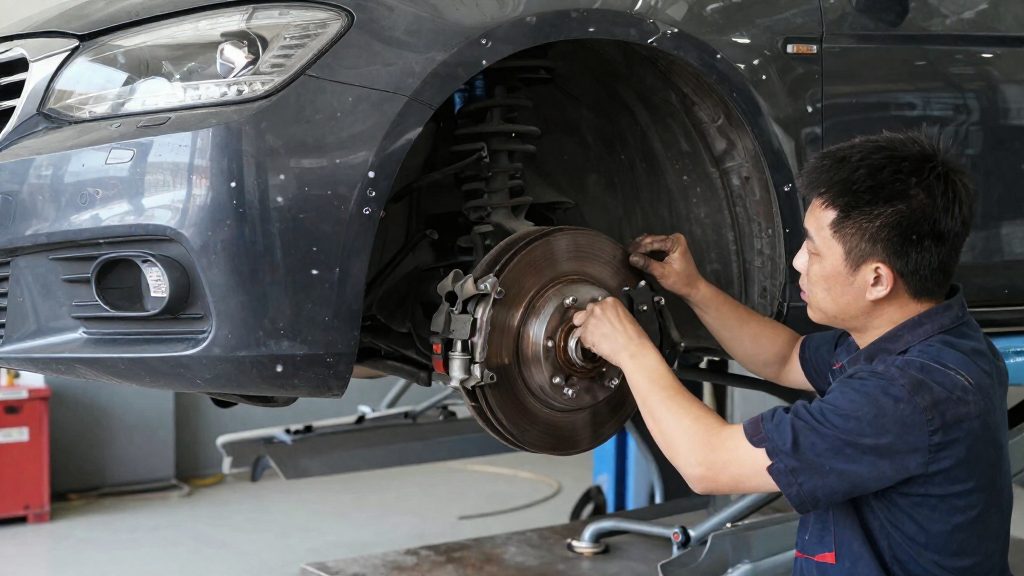
Does your state require a vehicle inspection?
Not every U.S. state runs the same program, and the rules are set by each state rather than by the federal government. Some states check safety equipment, some add emissions testing, and some require no periodic inspection. The rules that apply to you are the ones your state’s motor vehicle agency publishes, usually the DMV or an equivalent office. Check there before you book anything.
New York is a useful example of how one state sets its rules, but its requirements do not apply to a car registered elsewhere. In New York, each vehicle registered in the state must be inspected at least every 12 months at a licensed inspection station that displays an official sign. The inspection must be done before the current sticker expires. A vehicle registered under a new owner’s name must also be inspected.
What does the inspector actually check?
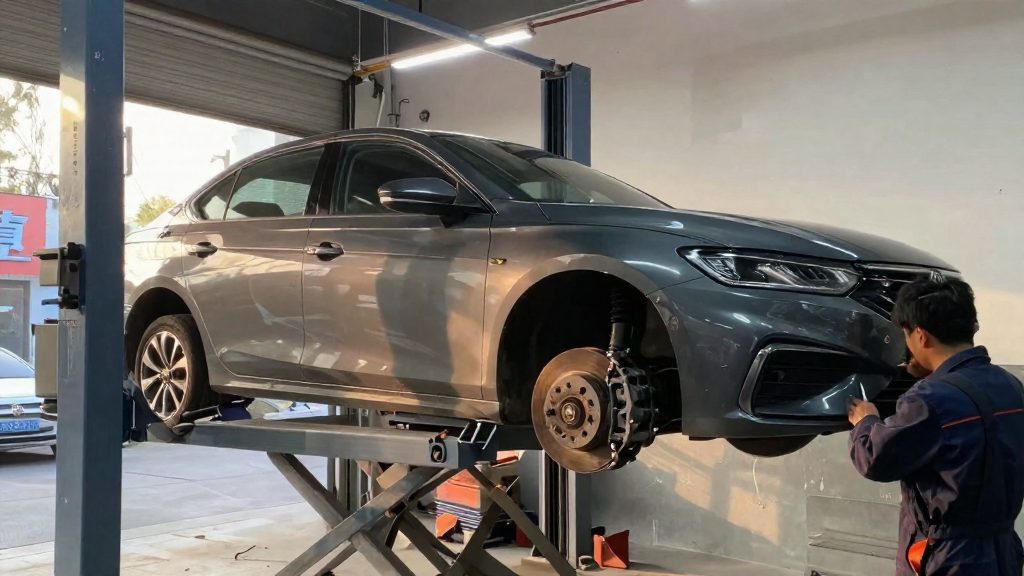
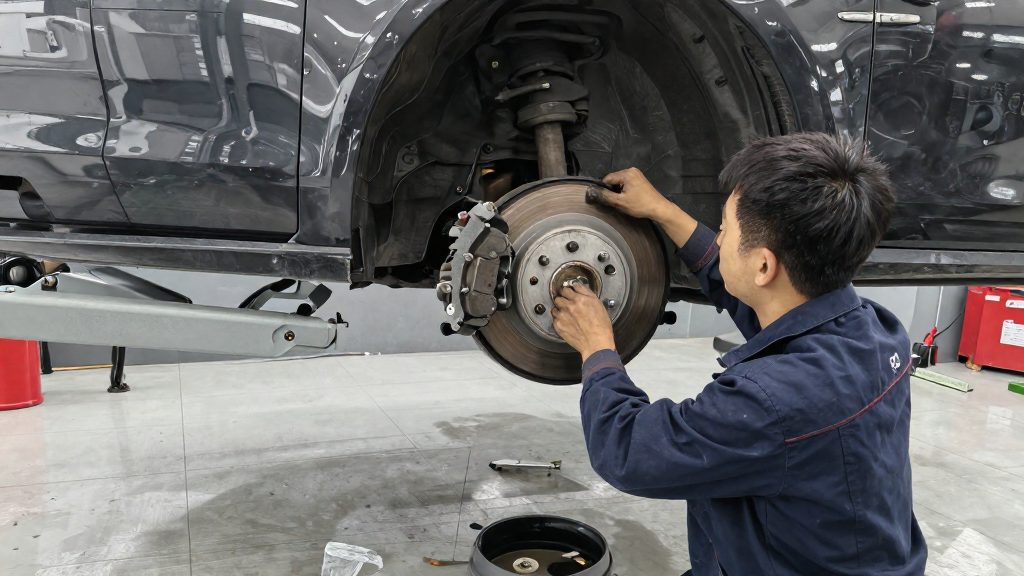
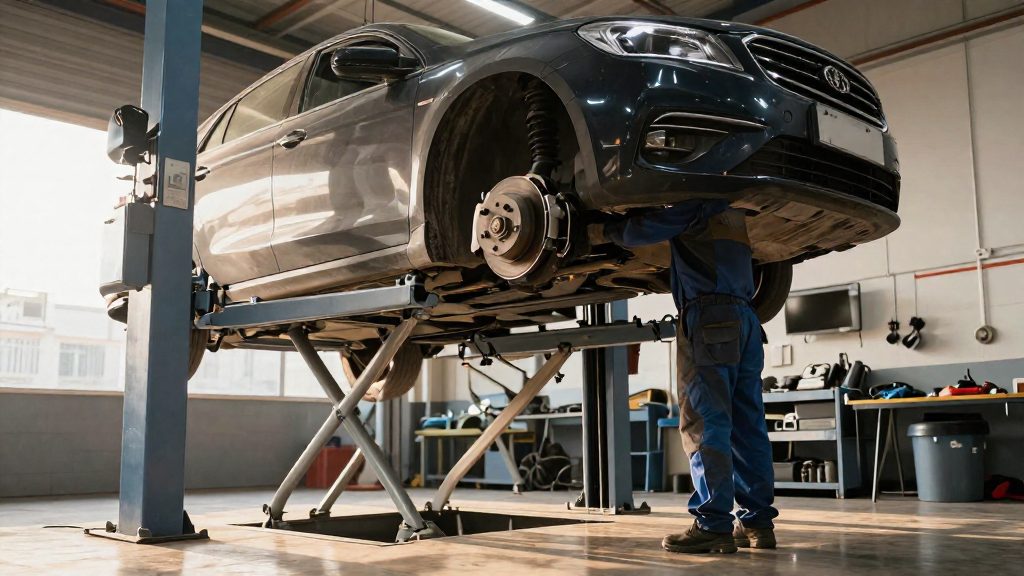
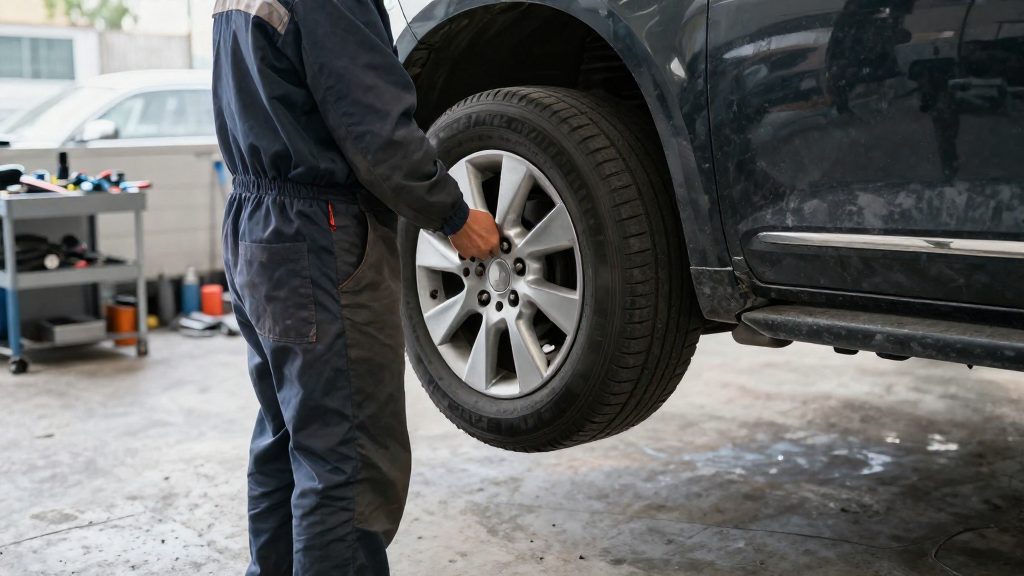
Most inspections cover safety equipment, and many also cover emissions equipment. New York’s safety list for cars and light trucks includes seat belts, brakes, steering and suspension, tires (not counting the spare), lights, glass and windshield, wipers, horn, mirrors, and fuel leaks. In New York, any fuel leak that drips or pools is a failure.
Some items are advisory only. In New York, the airbag warning lamp and tire pressure are noted but are not grounds for rejection. Your state may treat them differently, so read its list.
Before your appointment, walk around the car and check the following:
- Lights: test the headlights, high beams, brake lights, turn signals, reverse lights, and plate light. Ask someone to confirm the brake lights while you press the pedal.
- Wipers and horn: replace blades that streak or skip, and make sure the horn works.
- Glass and mirrors: look for cracks in the windshield, especially in the driver’s line of sight, and make sure the mirrors are secure.
- Tires and brakes: check the tread and sidewalls for damage, and note any unusual brake noise or pedal feel.
- Seat belts: confirm that each belt latches and retracts.
- Underneath: look for drips and check for a fuel smell. A puddle under the fuel tank or lines should be diagnosed before the inspection.
Why does the check engine light matter at inspection?
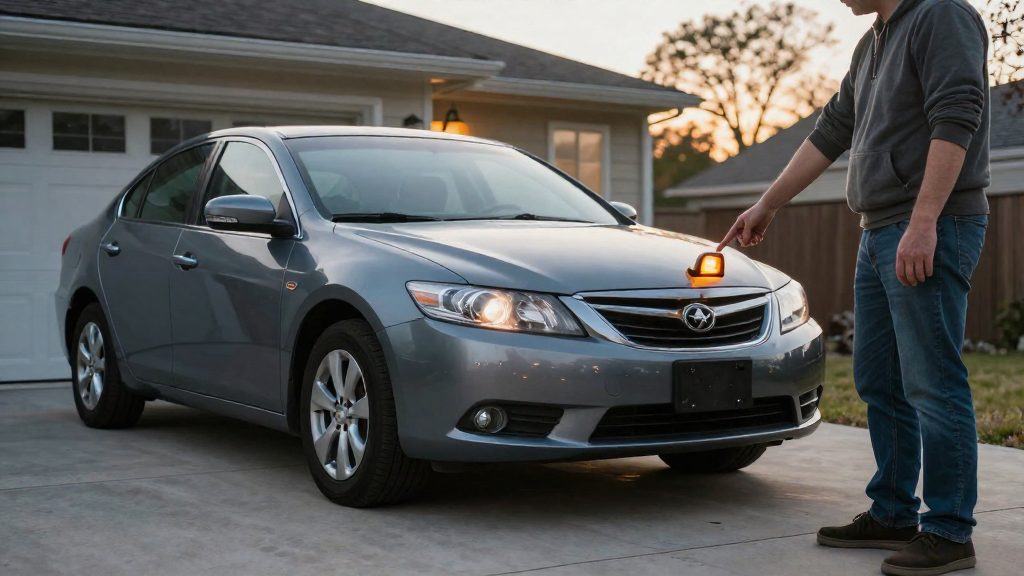
The check engine light is formally the malfunction indicator lamp. In New York, most gasoline vehicles from model year 1996 onward take an OBD II test. The inspector checks that the lamp works and that the onboard diagnostic system reports correctly. Older or heavier vehicles may take a different emissions test that checks components such as the catalytic converter, EGR system, PCV valve, EVAP system, and gas cap.
If the light is on, New York’s guidance is to have the vehicle properly repaired before testing. Have a repair shop read the stored codes and fix the cause. Do not clear the codes yourself to make the light go off. New York inspectors are instructed not to clear codes before they inspect a car with the light on, and clearing them can leave the emissions systems in a ‘not ready’ state that causes the test to fail.
A ‘not ready’ reading is a separate issue. The car’s computer runs self-tests called readiness monitors while you drive. These monitors can show as not ready after a repair that cleared trouble codes, or after a battery is disconnected or replaced. The light does not need to be on for a monitor to be incomplete, because a pending problem may not have turned on the light yet. Monitors complete during a drive cycle, and the exact cycle depends on the make, model, and monitor. Your owner’s manual usually describes it in the section on OBD. New York’s generic cycle starts with a cold start and combines idling, city and highway driving, and steady-speed holds, and it often requires two drive cycles separated by a cool-down period. Drive safely and obey traffic laws while you do this. If the monitors are still incomplete near your appointment, ask the station how it handles that before you go.
How do you check for open safety recalls?
A safety recall is separate from inspection, but an unrepaired defect can still affect how safely the car drives. Use the recall lookup on NHTSA’s website, nhtsa.gov/recalls. Enter the vehicle identification number, or VIN, which is printed on your registration and insurance documents and on a plate at the lower corner of the dashboard on the driver’s side.
The lookup has limits. It shows open, unrepaired recalls, but it generally does not show recalls that have already been repaired. It also generally does not show recalls more than 15 years old, and it may not show very recent recalls where not every affected VIN has been identified yet. A clean result therefore means no open recall was found for that VIN. It does not prove that past recall work was done. If you are unsure about an older recall, ask the manufacturer or a dealer for the vehicle’s brand to check the VIN.
When should you book the inspection, and what if your car fails?
Book the inspection early enough to leave time for repairs before your sticker or registration deadline. In New York, if a station cannot inspect the vehicle promptly, it must give you a written appointment date within eight working days.
If the car fails, New York’s DMV says the repairs can be done at any registered repair shop or by the owner. The vehicle must then pass a new inspection at a station of your choice before a new sticker is issued. The DMV page does not set a deadline for re-inspection, so check your own state’s rule. Keep the failure report, because it lists the items that need attention and you will need it for re-inspection. In New York, a vehicle that fails the emissions inspection may not be able to be registered, and registration renewal requires a DMV record of a passing emissions inspection within the last 12 months or a copy of the inspection report.
If the failure involves brakes, steering, tires, or a fuel leak, have it repaired before you drive the car further than necessary to reach a shop. Your state’s rules on driving a car that has failed inspection may also apply, so confirm them with the state agency.
Frequently asked questions
Do New York’s inspection rules apply if my car is registered in another state?
No. Each state sets its own rules. Check with the motor vehicle agency in the state where your car is registered.
What should I do if the recall lookup shows an open recall?
Contact an authorized dealer for your vehicle’s manufacturer with the VIN and ask to schedule the repair. Recall repairs are generally provided at no cost, but confirm this with the manufacturer.
Where can I find the official inspection rules for my state?
Search for your state’s DMV or motor vehicle agency website. It should state whether an inspection is required, what is checked, and how often it must be done.