Why run a checklist before a long trip?
A long drive adds distance, hours and sometimes stretches of road where help is far away. Most of the checks below take little time at home. They cover items you can see or measure yourself, plus a few things a qualified mechanic should confirm. The checklist does not replace the owner’s manual, which lists the exact fluid types, tire pressures and service intervals for your vehicle.
Check for open safety recalls
Start here, because a recall can involve a part you cannot judge by looking at it. The National Highway Traffic Safety Administration (NHTSA) runs a free lookup at NHTSA.gov/Recalls. Enter the 17-character vehicle identification number (VIN), which you can find at the lower left of the windshield and on your registration and insurance papers. The search covers unrepaired recalls for at least the past 15 years. If you bought the car used, run the lookup on your own purchase, not only on the seller’s word.
If an open recall appears, call an authorized dealer for your make and schedule the repair. NHTSA says recall repairs at an authorized dealer are free. When you call, give the dealer the VIN and the recall number, and ask whether parts are in stock. If parts are backordered, ask to be put on a waiting list and for a callback date.
A red box at the top of the results means an open recall carries a do-not-drive or fire-risk warning. Do not start a long trip until that repair is done, and ask the dealer what can be done in the meantime.
NHTSA advises checking at least twice a year, because new recalls are issued regularly. You can also receive alerts through the free SaferCar app or by signing up at NHTSA.gov/Alerts.
Check tire pressure and condition
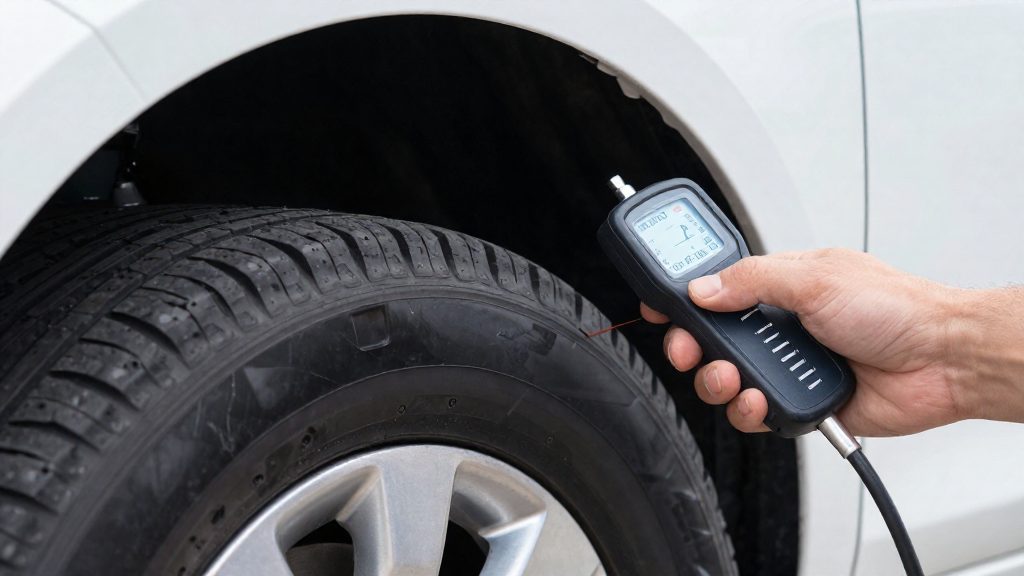
Check every tire, including the spare if your vehicle has one, at least once a month and before a long trip. Measure when the tires are cold, meaning the vehicle has not been driven for at least three hours. Tires warm up and read higher after driving, so measuring after a drive can make a correct tire look over-inflated and tempt you to let air out.
Find the correct pressure on the Tire and Loading Information label, usually on the driver’s door edge or door jamb, or in the owner’s manual. Use that figure, not the maximum pressure molded on the sidewall. The sidewall number is the tire’s limit, not the target for your vehicle.
Look for cuts, bulges, nails or other embedded objects, and for uneven wear across the tread. If you find damage, have the tire inspected before you drive far.
Check fluids, battery, brakes, lights and wipers
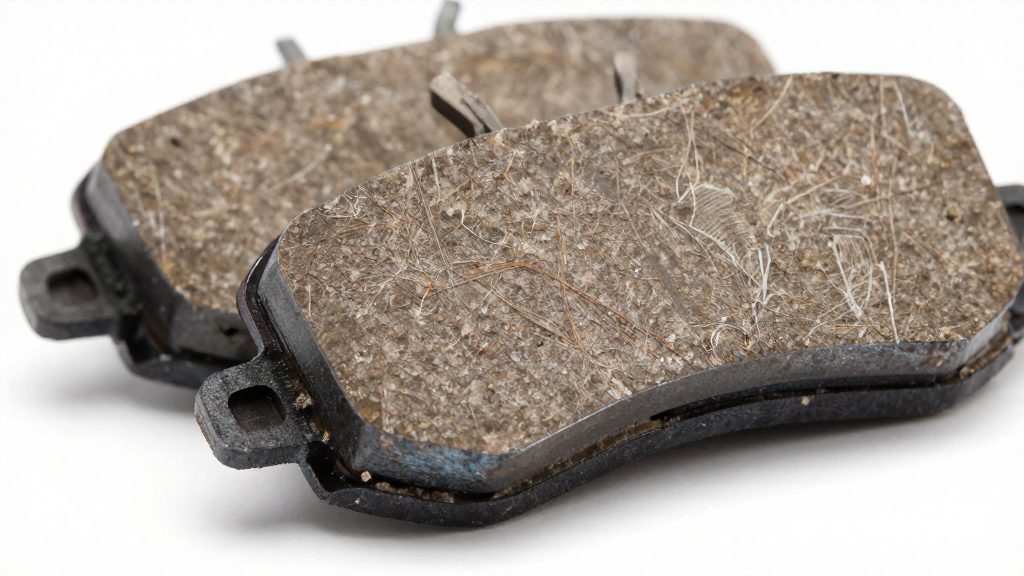
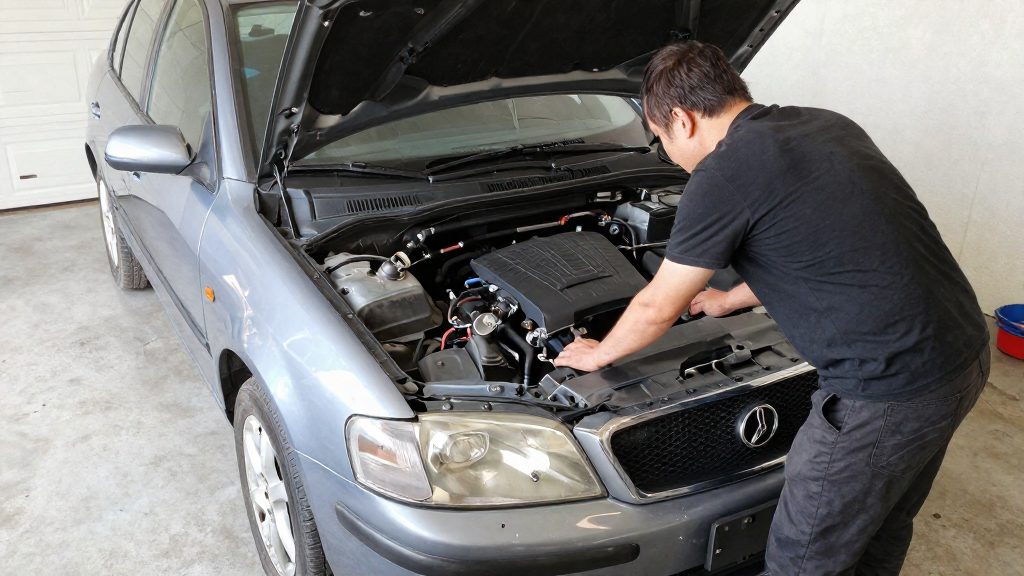
Ready.gov, the federal preparedness website, advises having a mechanic check the battery and ignition system, the brakes, the antifreeze, the oil, the windshield wiper equipment and washer fluid, and the lights and hazard lights ahead of time. If you can book a professional inspection before the trip, this list is a good scope for it.
You can also do some of these checks yourself. Compare the oil and coolant levels with the markings in the manual, top up the washer fluid, and switch on the headlights, turn signals, brake lights and hazard lights. Replace wiper blades that streak or skip.
Read the warning lights before you leave
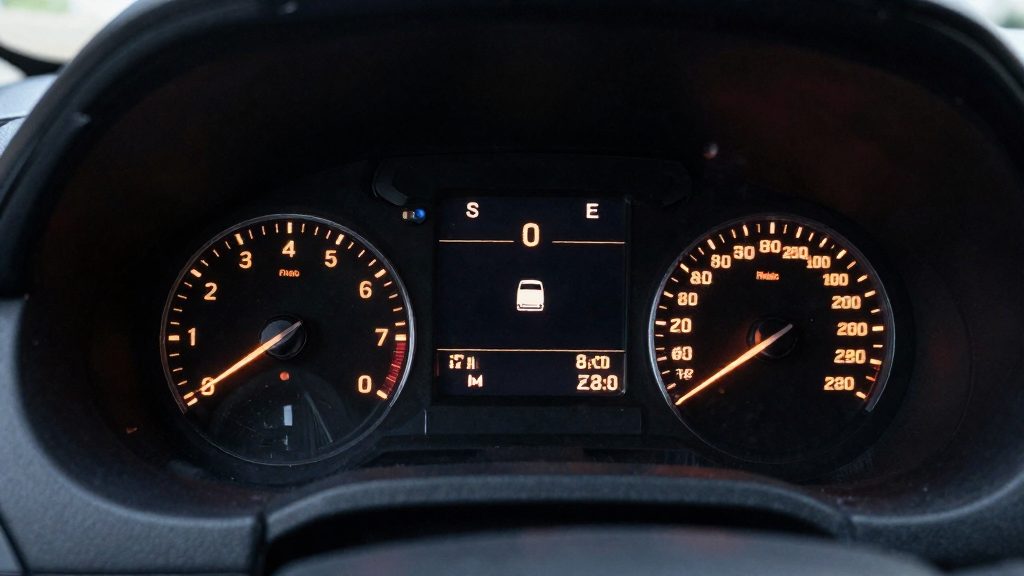
Warning symbols vary by make, so the owner’s manual is the reference for what each one means and what to do. The general rules below apply to the most serious lights.
If the brake warning light stays on, first check whether the parking brake is still set. If it is released and the light remains on, have the brakes checked before driving far.
If the oil pressure light comes on, stop in a safe place and turn the engine off. Check the oil level as the manual describes. If the light stays on after you add oil, do not continue the trip until a mechanic has checked the engine.
If the temperature warning light comes on, pull over when it is safe and turn the engine off. Let the engine cool before you open the hood or the cooling system cap, because hot coolant can spray out.
If the tire pressure warning light comes on, check the tires when they are cold and inflate them to the figure in the manual or on the door label.
Pack an emergency kit
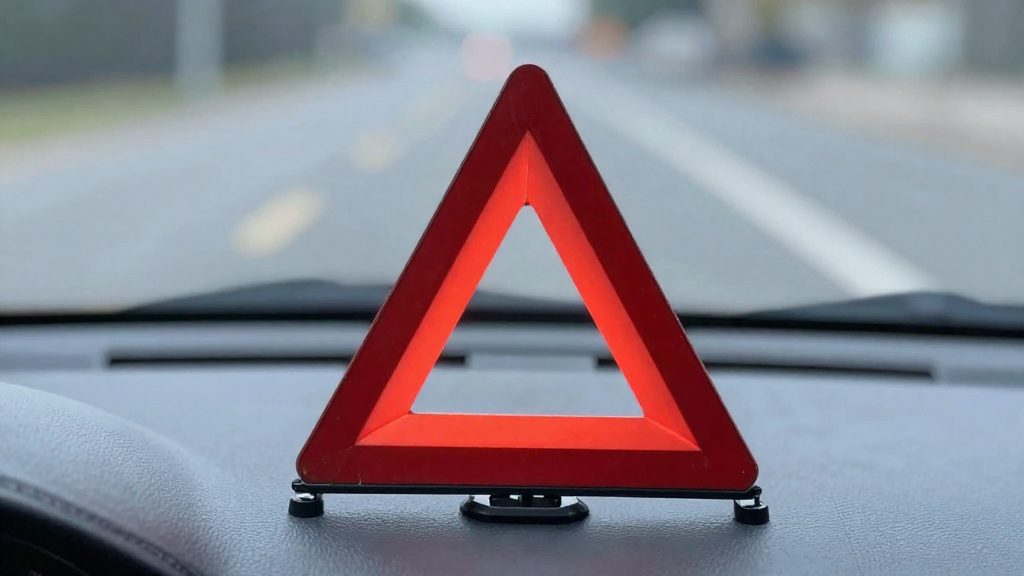
Ready.gov lists jumper cables, flares or a reflective triangle, an ice scraper, a car phone charger, a blanket, a map, and cat litter or sand for traction. Add water and snacks for a long wait, a first aid kit and a flashlight. Flares can start a fire near spilled fuel, so follow the package instructions and keep them away from fuel.
Plan fuel, water and road conditions
Keep the gas tank well filled. Ready.gov notes that a full tank helps during evacuations and power outages and keeps the fuel line from freezing in cold weather. Check weather and road conditions from official sources before you leave and again along the route.
Do not drive into flood water. Ready.gov warns that six inches of moving water can cause a vehicle to lose control or stall, and that a foot of water will float many cars.
Do you need a state inspection before a road trip?
Periodic safety inspection in the United States is handled by individual states, not by one federal program. A Government Accountability Office review reported that NHTSA takes a largely hands-off approach to state programs. For states that run inspections, NHTSA sets minimum criteria covering brakes, steering, suspension, tires and wheel assemblies.
Not every state requires an inspection, and rules change over time. Check with the motor vehicle agency in the state where your vehicle is registered. If your route crosses into Canada or Mexico, or passes through other states, check those jurisdictions’ requirements separately, because this article covers only US rules.
Frequently asked questions
Does a clear recall lookup mean my car is safe to drive?
Not on its own. The lookup covers recalls only. Voluntary customer satisfaction programs do not appear in it, and it does not check tires, fluids or brakes, so work through the rest of the checklist as well.
What should I do if the check engine light is flashing?
Reduce speed, pull over somewhere safe as soon as you can, and get assistance rather than continuing a long trip. A steady light is less urgent but still needs a diagnostic check soon. Confirm the steps in your owner’s manual.
Should I keep the emergency kit in the car all year?
Yes. The items on Ready.gov’s list are useful in any season. Add items suited to the climate and routes you drive, such as extra clothing in cold regions.