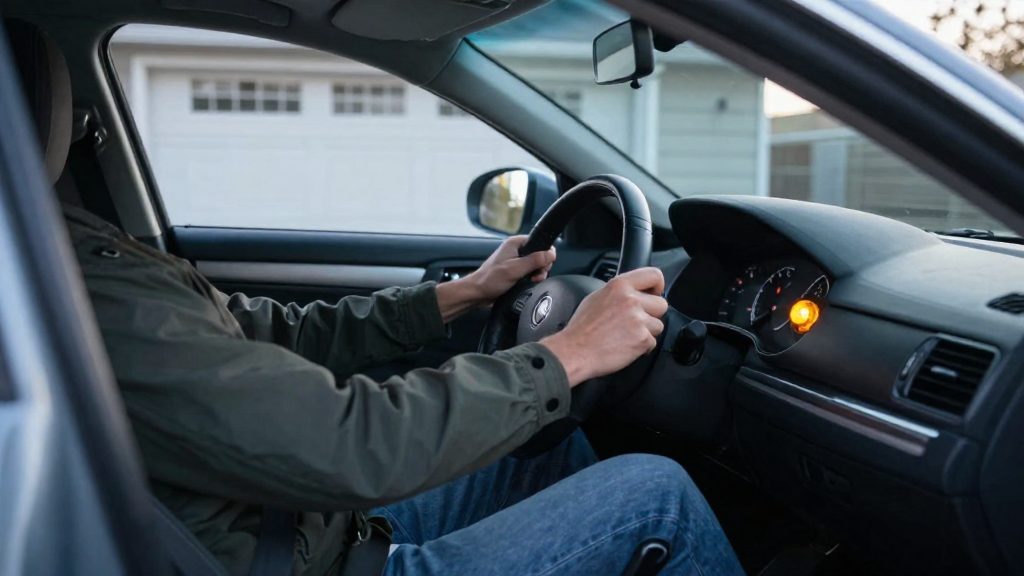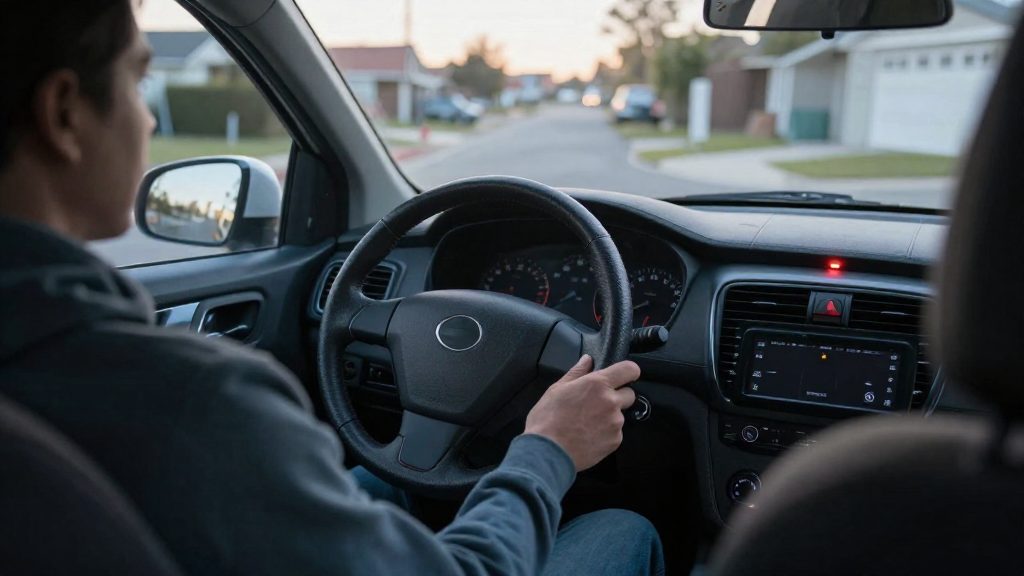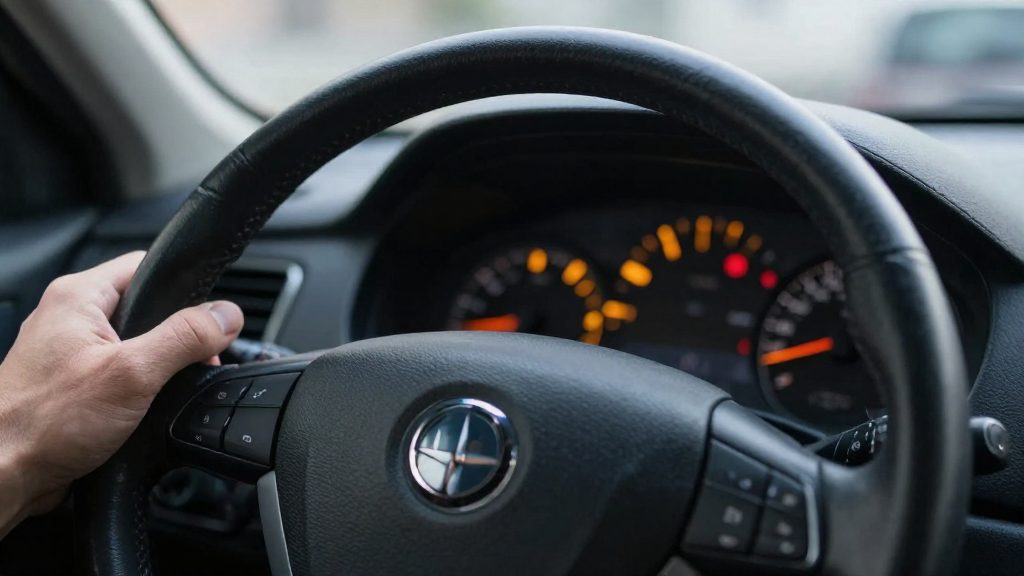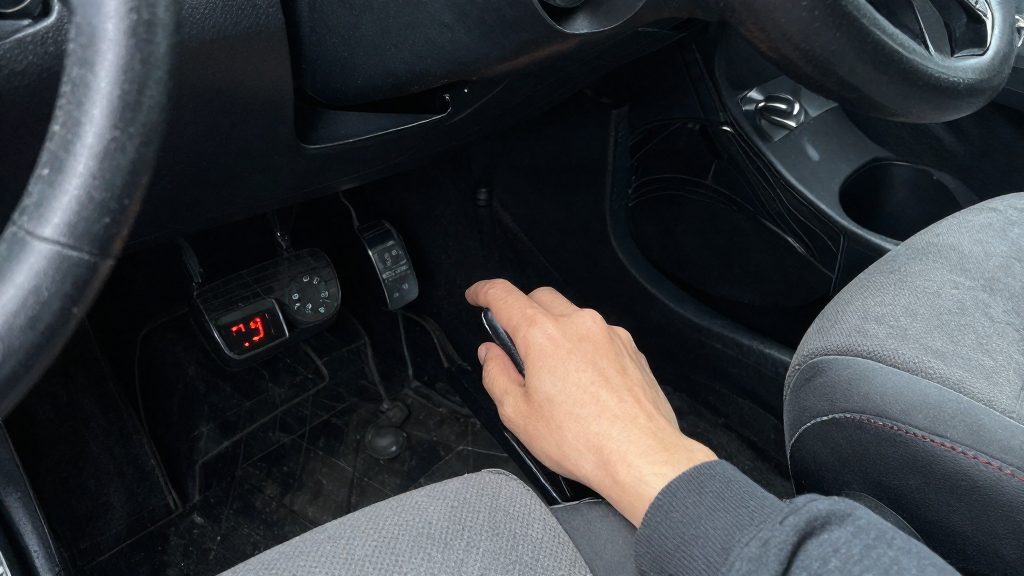
If the brake warning light stays on after you release the handbrake, first confirm the handbrake is fully off, because a partly applied handbrake is one of the simplest causes to rule out. If the light still stays on, treat it as a possible brake fault: check the fluid level, do not carry on as normal, and have a garage look at the car before you rely on the brakes in traffic. The light is a warning, not a diagnosis, so the aim is to work out which of the possible causes applies.
Why is my brake warning light still on after I release the handbrake?
The brake warning light is a red dashboard lamp that signals a problem in the braking system or a handbrake that is still applied. On many cars the two meanings share one lamp, so the light alone cannot tell you the cause. The DVSA’s MOT inspection manual notes that a brake fluid warning lamp may be shared with other components, for example to show that brake pads are worn or that the parking brake is applied (DVSA, GOV.UK).
That leaves a short list of possibilities. The handbrake may not be fully released, so the switch that tells the dashboard it is on still reads it as applied. The brake fluid may be low, which can point to a leak somewhere in the system. The switch or the warning circuit may be faulty, and the brake pads may be worn. You cannot tell these apart by looking at the dashboard, so work through the simple checks first and leave anything you cannot confirm to a garage.
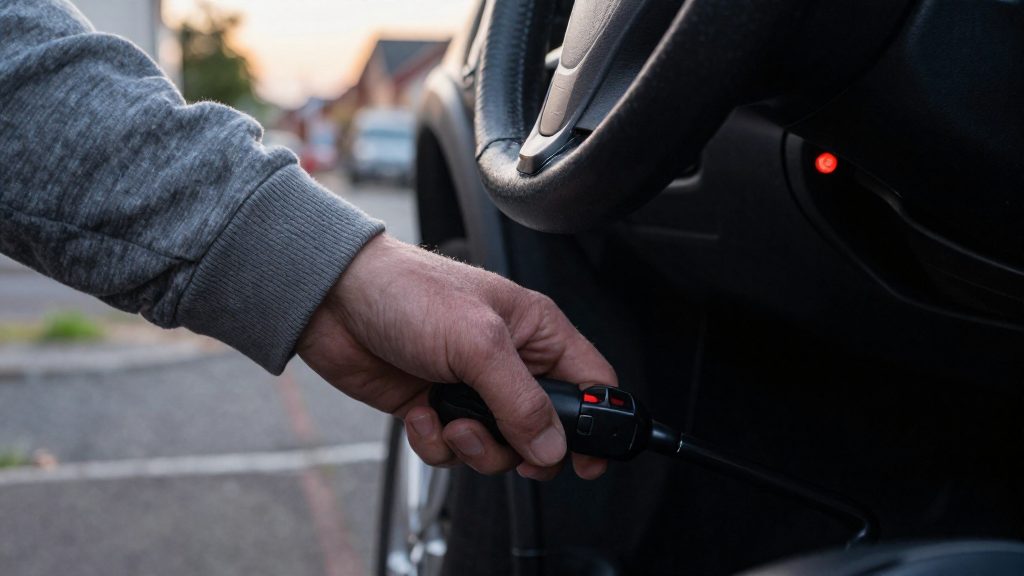
How do I check the handbrake is fully released?
Start with the simplest check, which takes a minute. Park on flat, level ground with the engine running and your foot on the footbrake. Pull the handbrake lever up slightly, press the release button and lower the lever fully until it sits flat. On a foot-operated handbrake, press the release control fully. If the car has an electronic parking brake, use its switch instead, and check your handbook for the correct release method, since it does not always work like a lever.
Then check the light itself. With the ignition on, the warning lights should come on and go out once the engine starts. The Highway Code’s vehicle maintenance guidance says that if they do not go out, or if they come on while you are driving, you should stop and investigate the problem (Department for Transport, GOV.UK). If the light goes out once the handbrake is fully released and stays out during a short test drive on a quiet road, the handbrake was the most likely cause. Keep watching the light over the next few journeys, because a handbrake that does not release fully can happen again if the lever or cable is sticking.
What should I do about the brake fluid warning?
Find the brake fluid reservoir, which is usually a translucent container with MIN and MAX marks near the engine bay. Your handbook shows where it is and when the level should be read. Check it on level ground and compare it with the marks. The Highway Code’s vehicle maintenance guidance says that low brake fluid may result in brake failure and a crash (Department for Transport, GOV.UK), so a level below the minimum mark is not something to leave until the next service.
If the level is below the minimum mark, the safer option is to arrange recovery to a garage rather than drive the car there. Do not treat a top-up as the fix, because the fluid is there to show that something in the system is wrong.
When is it safe to keep driving?
Do not carry on as normal if the light stays on after the handbrake is fully released. The Highway Code tells drivers to make sure they understand all the warnings on the instrument panel, and to not ignore warning signs, because they could indicate a dangerous fault developing (Department for Transport, GOV.UK). The same guidance says that if the vehicle pulls to one side when braking, that is most likely a brake fault or incorrectly inflated tyres, and a garage should be consulted immediately.
In practice, stop in a safe place as soon as it is reasonable, and do not drive further if any of these apply: the light stays on, the brake pedal feels softer, lower or different, the car pulls to one side under braking, you hear grinding or squealing, or the fluid is below the minimum mark. If the light is on but the brakes feel completely normal and you must move the car a short distance, drive gently on quiet roads, leave extra room and avoid heavy braking. That is practical advice rather than a set rule. If you are unsure, arrange recovery.
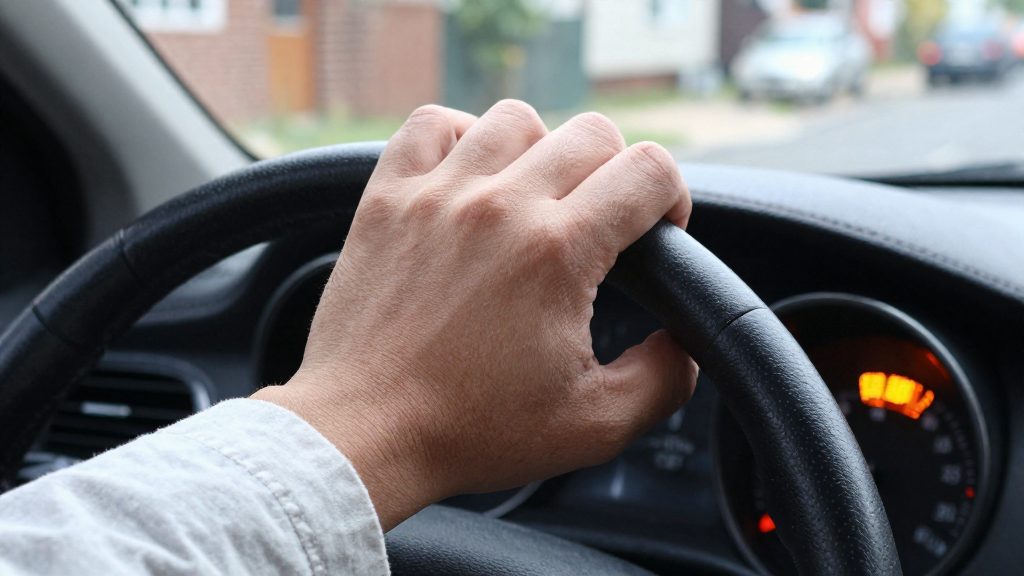
What do ABS and electronic parking brake lights mean?
An ABS light is a separate warning from the brake fluid lamp. ABS stops the wheels locking under hard braking. If the ABS warning stays on, the anti-lock function may not be available, so the brakes may behave differently in an emergency stop, and the system should be checked before you rely on it.
Some cars with an electronic parking brake show their own warning light, which can come on when the system is not working correctly. Use the symbol key in your handbook to identify which lamp is lit before you act, because the correct response depends on which system is involved.
How does the MOT treat brake warning lights?
The DVSA’s MOT inspection manual for cars and passenger vehicles sets out how the test grades each brake fault. The grades below come from that manual (DVSA, GOV.UK):
- Brake fluid warning light illuminated or defective: Minor.
- Brake fluid level below the minimum mark: Minor. Significantly below the minimum mark: Major. Not visible: Dangerous.
- ABS warning device not working, or showing a system malfunction: Major. The same applies to EBS warning lamps on vehicles with an electronically controlled braking system.
- Electronic parking brake warning light showing a malfunction: Major.
- Parking brake ratchet not holding correctly, lever with excessive movement from incorrect adjustment, or control missing, defective or inoperative: Major.
- Parking brake efficiency: for most vehicles the minimum is 16%. Below the minimum is Major, and less than 50% of the required value is Dangerous.
- Brake pad worn below 1.5mm: Dangerous. Pad worn down to the wear indicator: Major.
A Major or Dangerous grade means the car fails the MOT, while a Minor grade does not fail it on its own. A pass with a lit brake warning lamp is still not a reason to ignore it, because the MOT checks the car at one moment in time and not every journey afterwards.
When should I book a garage check?
Book a garage check as soon as possible if the light stays on after the handbrake is fully released, comes on while you are driving, or appears alongside a low fluid level. Also book one if the car pulls to one side under braking, if the pedal feel changes, or if you hear new noises from the brakes.
When you call, ask the garage to check the handbrake switch and its operation, the fluid level and any sign of a leak, the brake pads, and the parking brake adjustment. Ask for the findings in writing. If the car is under a manufacturer warranty or a service plan, check its terms before work starts, and mention the light at your next MOT if it is still on.
Frequently asked questions
Can I top up the brake fluid myself?
Only if the level is below the minimum mark and you use the fluid type named in your handbook, from a sealed container. Never fill above the MAX mark. If the level keeps falling, there is a leak and the car needs inspection rather than more fluid.
Will the light go out by itself if I keep driving?
It might, if the fault was intermittent, but that does not mean the fault has gone. Do not rely on the light going out. Have the car checked.
What should I tell the garage?
Say when the light came on, whether it stayed on after the handbrake was fully released, whether the pedal or steering felt different, the fluid level you saw, and any recent brake work.