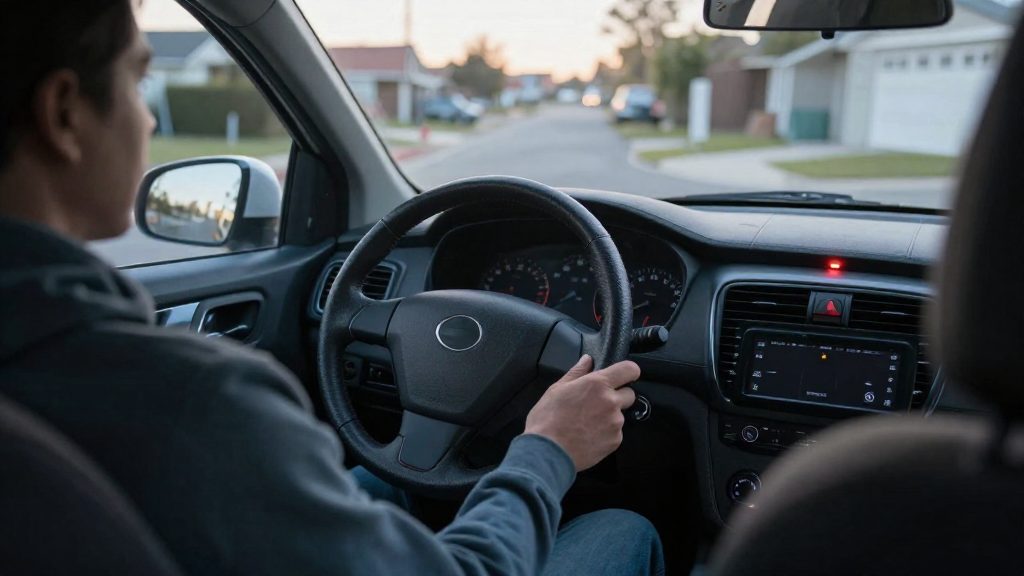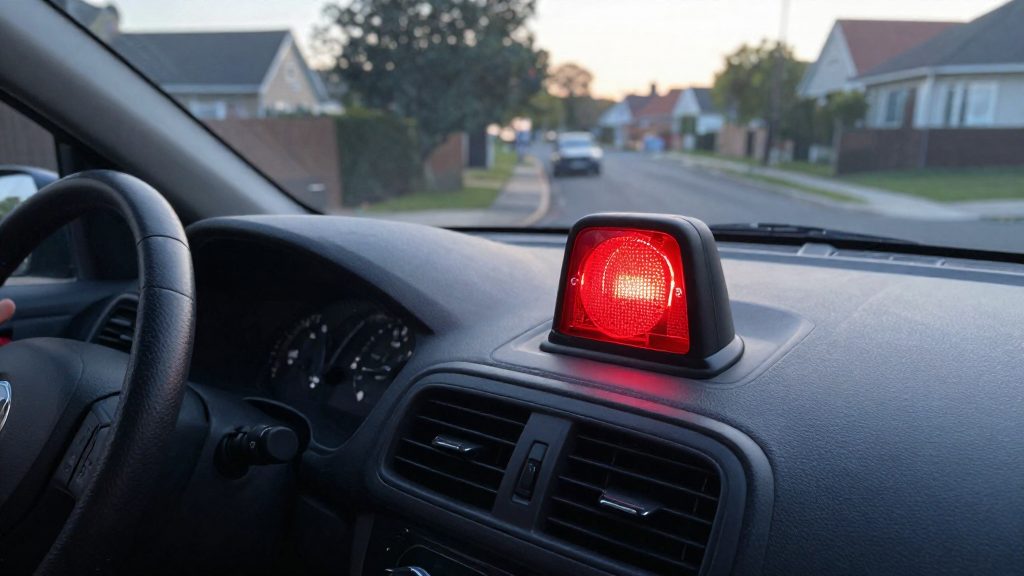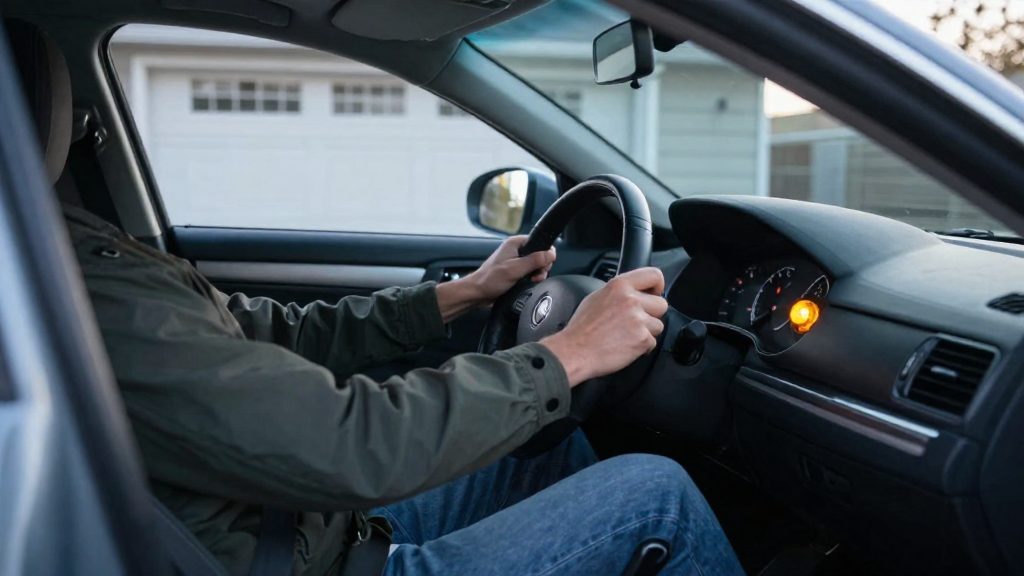
If the ABS light stays on after the engine has started, the anti-lock braking system has usually detected a fault and may not be working. Your normal brakes may still work, but the system that stops the wheels locking during hard braking may not respond. Do not ignore the light. Check your handbook for its meaning on your model, see whether the brake warning light is also on, and arrange a diagnosis with a qualified garage. If the brake warning light is lit too, or the brake pedal feels different, stop when it is safe to do so rather than driving on.
Why does the ABS light stay on?
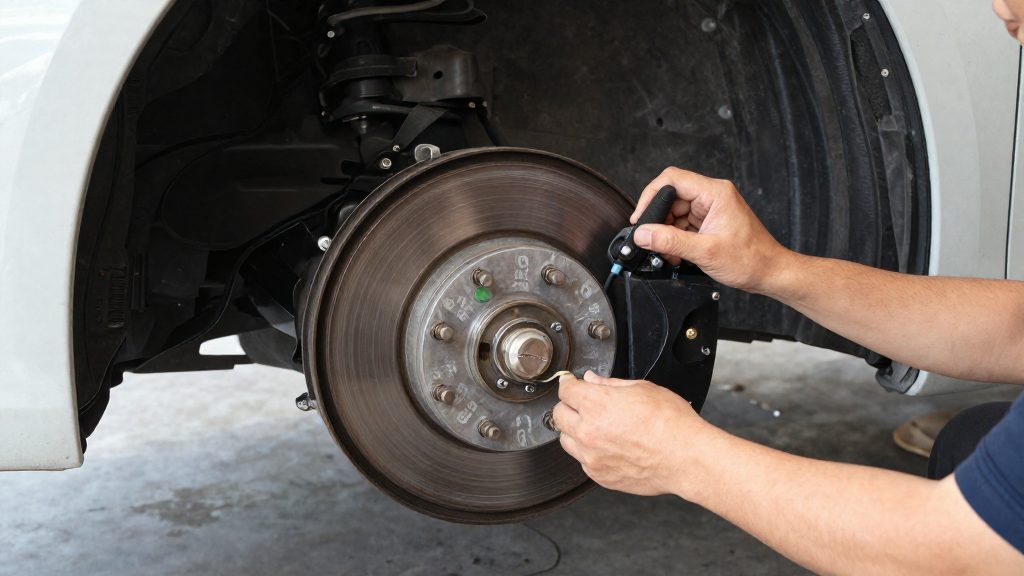
The ABS control unit constantly monitors the wheel speed sensors, their wiring and the hydraulic unit that adjusts brake pressure at each wheel. When it finds a problem, it keeps the warning light lit and usually switches off the anti-lock function. The areas most often worth suspecting are a dirty or damaged wheel speed sensor, wiring that has been chafed, corroded or damaged, and a fault in the control unit or hydraulic unit. A low brake fluid level can also be involved, so it is worth checking the reservoir, but topping up fluid will not repair a sensor or wiring fault.
The Highway Code is clear about what a warning light should do. It explains that ‘when you turn the ignition key, warning lights will be illuminated but will go out when the engine starts (except the handbrake warning light)’. If they do not, or if they come on while you are driving, you should stop and investigate the problem, as you could have a serious fault.
Is it safe to drive with only the ABS light on?
With only the ABS light lit, many cars keep their normal brakes, but the anti-lock function may not help if you need to brake very hard, for example to avoid an obstacle. Hard braking on wet, icy or loose surfaces can lock the wheels, so until the car is checked, leave more space behind the vehicle in front, brake earlier and more gently, and avoid sudden steering and fast cornering. Plan a garage visit soon rather than leaving the light on for weeks. Your handbook is the reference for your model. If it says the braking system needs immediate attention, follow that instruction over any general advice.
The Highway Code also warns that if a vehicle pulls to one side when braking, the cause is most likely a brake fault or incorrectly inflated tyres, and you should consult a garage immediately. Stop and get help if you notice this, or if the brake pedal feels soft or travels further down than usual.
When should you stop the car?
Stop as soon as it is safe to do so if the ABS light and the brake warning light come on together. The Highway Code notes that low brake fluid may result in brake failure and a crash, so do not drive on to a garage. Pull over in a safe place, switch off the engine and let it cool before you look at anything under the bonnet. Check the brake fluid reservoir only if you can do so safely, and do not open a hot cap. Then call a breakdown or recovery service so the car can be taken to a garage. In many cars the ABS light shows the letters ABS inside a circle, while the brake warning light is shown as a circle with an exclamation mark or the word BRAKE, but the symbols vary, so confirm them in your handbook.
How do you check before going to a garage?
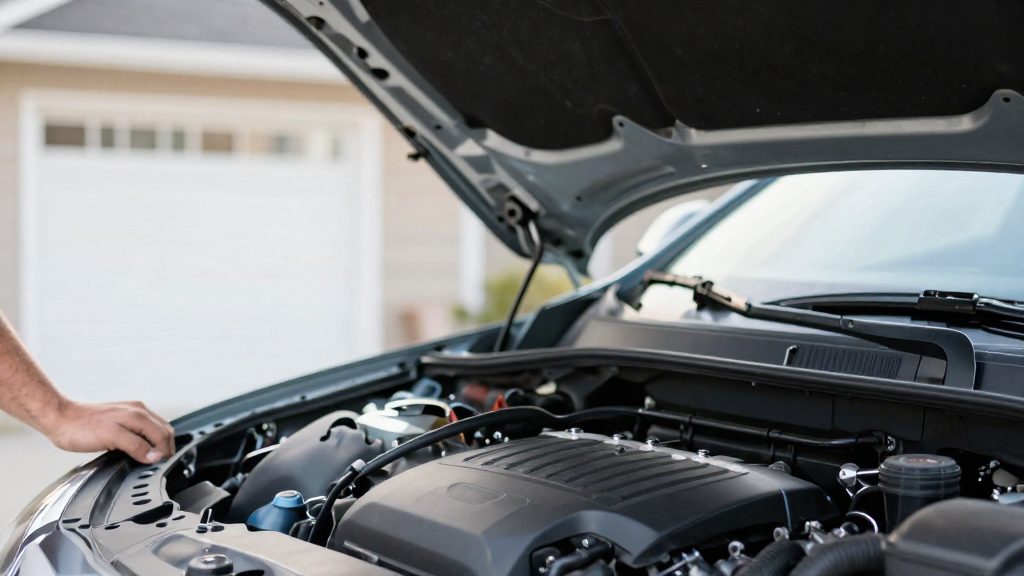
Only carry out checks you can do safely, on level ground, with the engine off and cool. Start with the warning light section of your handbook. Then check the brake fluid level against the markings on the reservoir. The Highway Code advises checking fluid levels at least weekly. If the level is below the minimum mark, or it keeps dropping, there may be a leak, and the car should not be driven further until it has been inspected. Top up only with the fluid type named in the handbook or shown on the reservoir cap, and never use a different type.
Next, start the engine and watch the dashboard. Note whether the ABS light goes off after a few seconds, stays on, or comes on while you are driving. Also record the conditions: your speed, wet or dry roads, cornering, braking, or the first time after a car wash. These details help the garage find the fault faster and show whether the problem is intermittent.
Will an ABS light fail an MOT?
It can, if the fault is present at the test. In Great Britain, the DVSA MOT inspection manual classes an ABS warning device that is not working, or that shows a system malfunction, as a Major defect. Damaged or missing wheel speed sensors and damaged wiring are also Major defects, and any Major defect means the car fails. The same manual classes a brake fluid warning lamp that is illuminated or defective as a Minor defect, which does not cause a fail on its own but should still be fixed. The manual also notes that a brake fluid warning lamp may be shared with other components, such as a light for worn brake pads or an applied parking brake, so check your handbook to see what your lamp means.
Do not disconnect, disable or remove the ABS to stop the light from showing. The DVSA manual states that it is not permissible to remove or disable the ABS on a vehicle first used on or after 1 January 2010. Not every vehicle from that date has ABS, so check your handbook if you are unsure. Where ABS has been intentionally made inoperative, the whole system must be removed, and a system that has obviously been removed is a Major defect. Testing rules in Northern Ireland are set separately, so check with the local testing service if you are unsure which rules apply to you.
How is an ABS fault diagnosed and repaired?
A garage reads the stored fault codes with diagnostic equipment, then tests the wheel speed sensors, wiring, brake fluid and hydraulic components before replacing any part. Ask what the fault code was, what was tested and which part was replaced. Ask the garage to confirm that the light goes out after the engine starts and during a road test. Repairs should follow the manufacturer’s repair information for your model. Keep the invoice and the fault report, as they show when the fault first appeared and what was done to fix it.
Frequently asked questions
Is the ABS light the same as the brake warning light?
Not always. Many cars have separate lamps, but some share one lamp with other brake functions. Your handbook shows which applies to your model, and it is the reference for what each light means.
Can I clear the ABS light with a code reader?
You may be able to clear a stored code, but that does not repair the fault. If the light returns, or was lit before you cleared it, the cause is still there and needs a proper diagnosis.
Does an ABS light that comes and goes still need checking?
Yes. An intermittent light can point to a loose connection or a developing sensor problem. Note when it appears, book a check and tell the garage exactly when it happened.