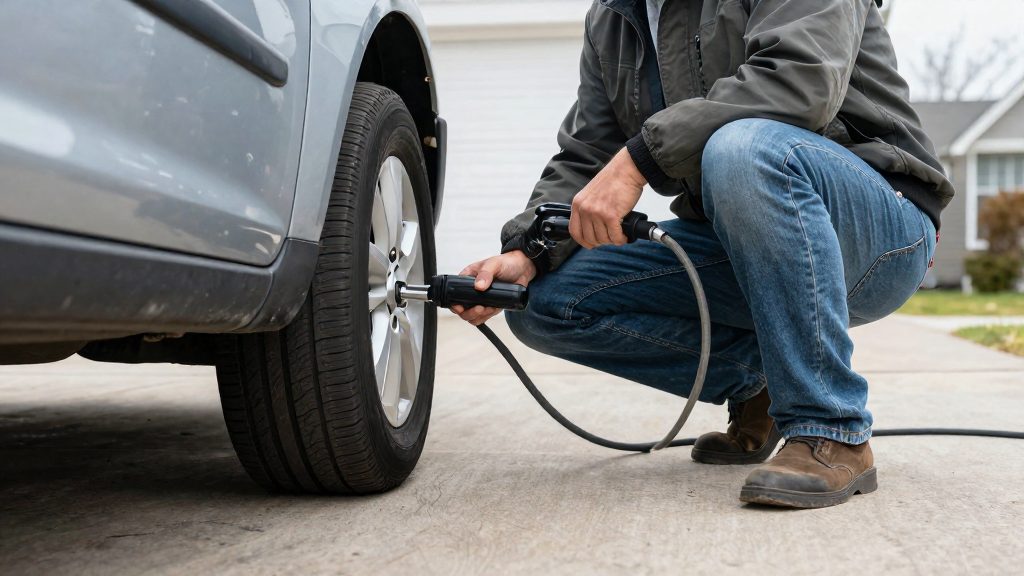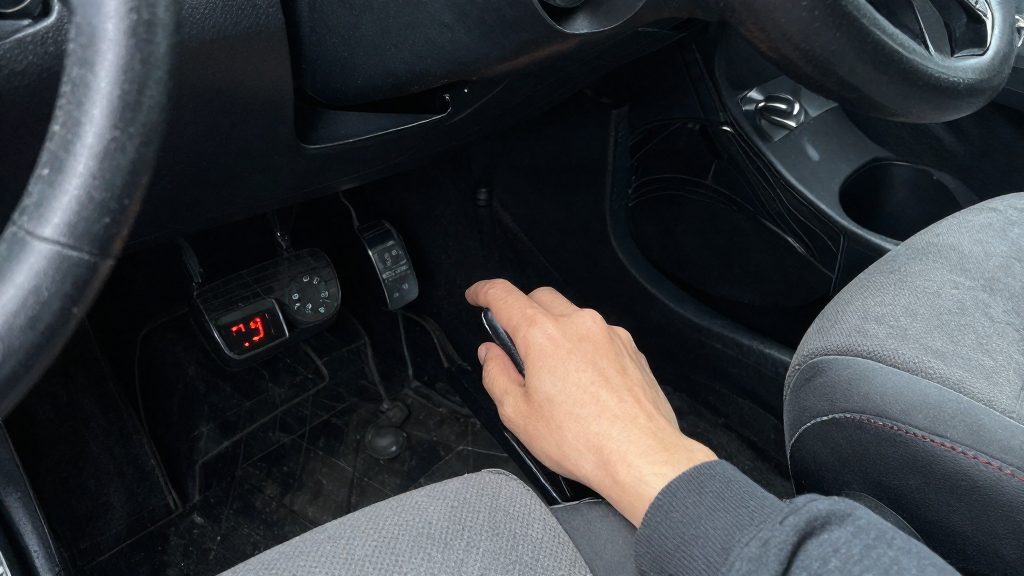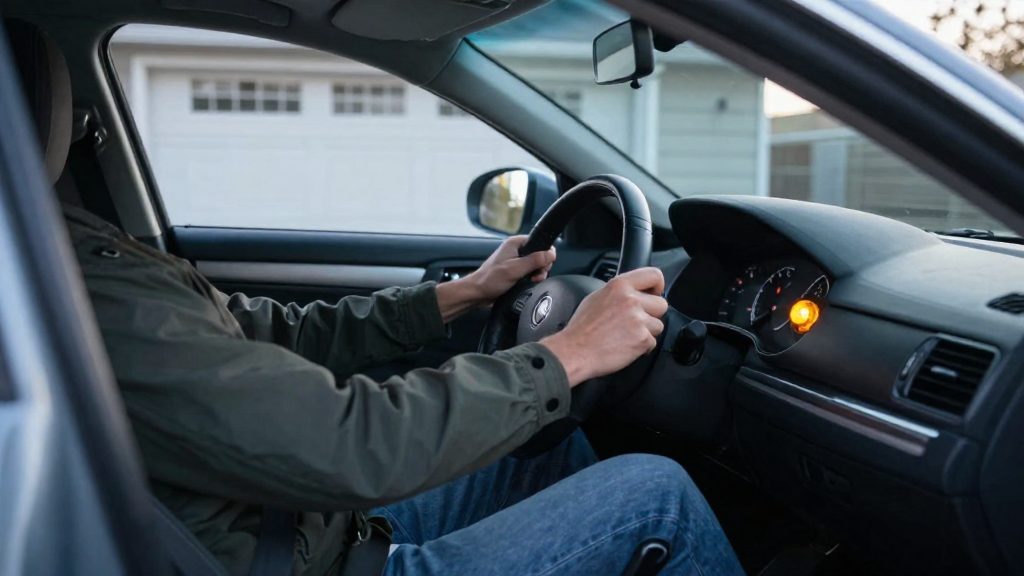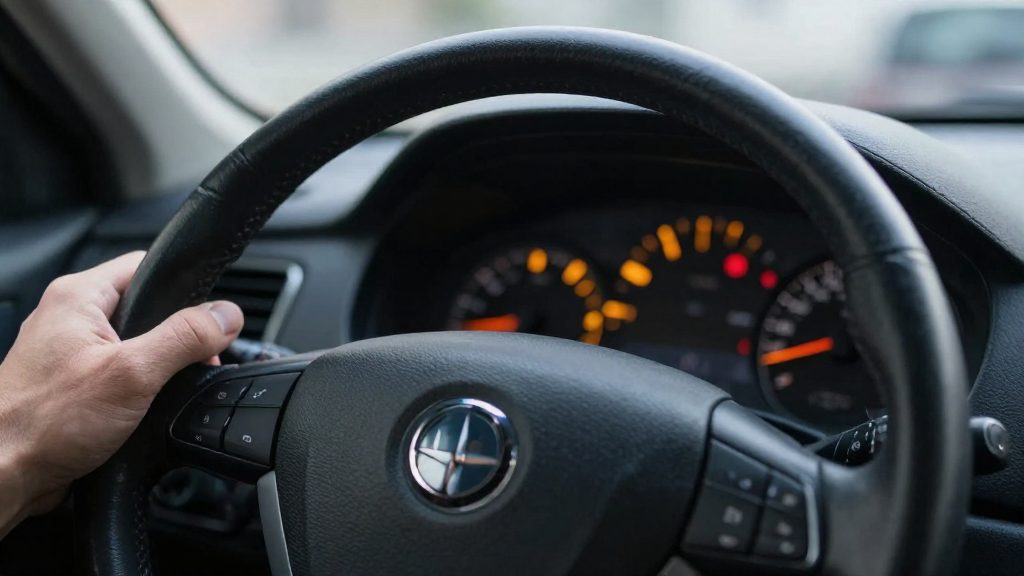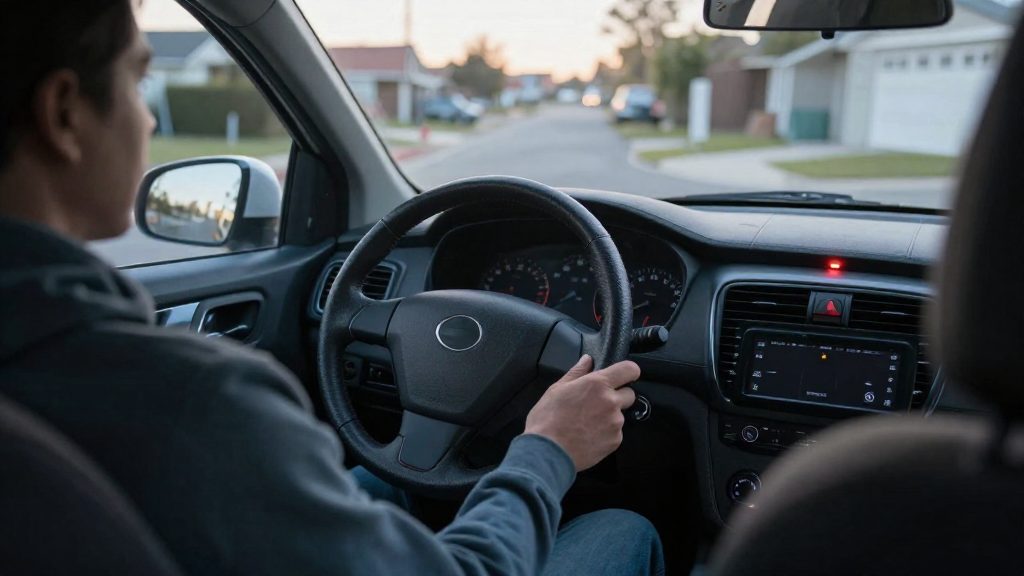
If the oil pressure warning light comes on while you are driving, stop as soon as it is safe to do so, switch off the engine and do not drive on until the cause has been checked. According to GOV.UK (2025), a warning light that comes on while driving can mean a serious fault, so you should stop and investigate rather than carry on. Once the engine has cooled, check the oil level. If the level is low, top it up with the grade stated in your handbook. If the level is correct, or the light stays on, get expert help instead of continuing.
What does the oil pressure warning light mean?
The light tells you that the engine’s oil is not circulating at the pressure it needs. Oil under pressure keeps moving metal parts apart, so when pressure drops, those parts can rub against each other, wear quickly and, in severe cases, seize. That is why this warning is treated more seriously than most other lights on the dashboard.
Do not rely on the symbol alone. Many cars use the same oil-can symbol for two different problems: low oil level and low oil pressure. Colour is a rough guide only. According to The AA (2023), a red warning light usually means you must act immediately, and red is the colour most often used for this light, but colours and symbols vary between vehicles. Your handbook is the authority for your own car, and it explains which symbol and colour your car uses.
If the warning message on the display says something like oil pressure fault and is flashing, treat it with the same urgency as a steady light. Owner guidance from some manufacturers for their commercial vehicles says to stop as soon as it is safe and not to drive on in that situation.
How do I stop safely when the light comes on?
Do not wait to see whether the light goes out. Signal and move to the first safe place you can reach, such as a lay-by, a service area or a quiet side road. On a motorway, leave at the next junction or service area if you can do so safely. If you have no other choice, stop on the hard shoulder and keep everyone in the car behind the barrier while you wait for help.
Once you have stopped, apply the handbrake, switch on your hazard warning lights and switch off the engine. Avoid restarting the engine repeatedly to see whether the light has gone out, because each start runs the engine on the same low oil pressure. The only restart check worth doing is the one described later, after the oil level has been corrected.
If you need to get out, do so on the side away from the traffic, and wear high-visibility clothing if you have it. Do not open the bonnet while traffic is passing close by. Once you are stopped and safe, you can check the oil level, but only if you are not standing in a dangerous position.
How do I check the oil level safely?
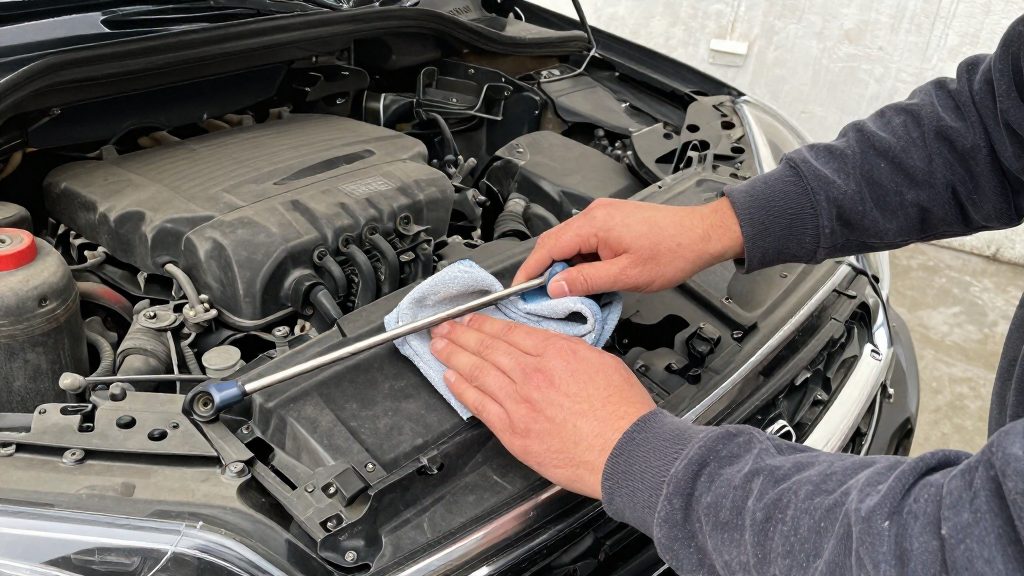
Park on level ground, switch off the engine and wait a few minutes so the oil can drain back into the sump. Your handbook gives the exact wait for your engine, so follow it if it differs. Pull out the dipstick, wipe it clean with a cloth, push it fully back in, then withdraw it again and read the level against the marks. Some cars have an electronic oil level display, which is read through the dashboard menu. Follow the handbook for how to use that display.
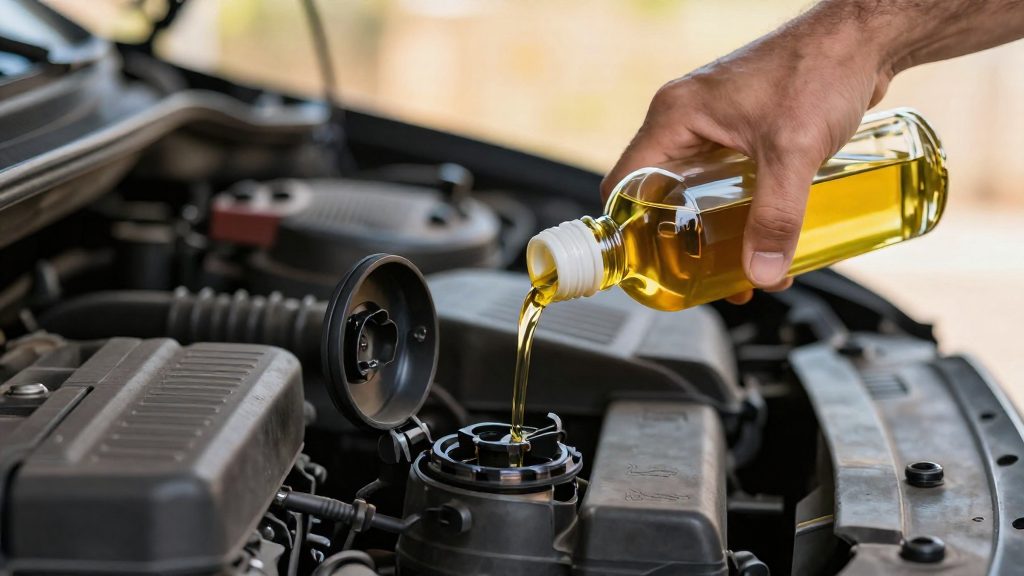
Take care around a recently run engine. The exhaust, the engine block and the cooling fan can cause burns or injury, so keep your hands, hair and loose clothing away from moving parts, and never open a hot filler cap. Use only the grade of oil stated in your handbook, and check the product label before you pour. Top up in small amounts and stop when the level reaches the correct mark. Never overfill, as too much oil can cause problems of its own.
If the oil on the dipstick looks unusual, such as milky or contaminated, or if you can see or smell a leak, do not restart the engine. Arrange recovery instead, and tell the garage what you found. Your observations can help the technician work out the cause.
What should I do after checking the oil?
If the level is low, top it up gradually until it reaches the correct level, then start the engine and let it run for about five seconds while you watch the light. Some manufacturers describe this short restart check in their owner guidance. If the light goes out, the check is only a short-term test, not proof that the problem is solved. Low oil means the oil has been used up or lost, and a garage should look for the cause, such as a leak, before you rely on the car for normal journeys.
If the light stays on after topping up, do not drive the car. Stop, switch off the engine and call for help. A light that remains on after the level has been corrected points to a fault that a simple top-up cannot fix.
If the level is correct, do not drive. The engine could be damaged, so seek expert assistance rather than trying to diagnose the fault yourself. A correct level does not rule out a serious problem, because the warning may come from the pressure itself rather than from the amount of oil in the engine.
Should I keep driving with the oil light on?
No. According to The AA (2023), continuing to drive with an oil pressure light illuminated can lead to catastrophic engine damage. The same article notes that a few seconds can separate a simple oil top-up from a badly damaged engine. That is why stopping at once, rather than driving a short distance to somewhere more convenient, is the safer decision.
The same survey found that only 30% of drivers said they would stop immediately when the oil pressure light came on, according to The AA (2023). Many drivers therefore continue, often because they hope the light is a false alarm or because they want to reach home. A false alarm cannot be assumed, and the cost of finding out the hard way can be a ruined engine.
When should I call breakdown assistance or a garage?
Call your breakdown provider if you cannot stop safely, if the light stays on after topping up, if the level falls again soon after you have added oil, or if you are unsure what the light means. Have the car recovered rather than driven if you are in any doubt about whether it can be moved safely.
When you speak to a garage, tell them when the light came on, what you found on the dipstick, how much oil you added and whether the light went out. This information helps the technician narrow down the cause quickly, whether it is a low level, a leak, a sensor fault or a more serious engine problem. Ask for a diagnosis before you agree to any repair, and keep a record of the oil you have added.
Why does the Highway Code matter here?
The Highway Code expects drivers to understand the meaning of all warning displays on the instrument panel, and it says not to ignore warning signs because they could indicate a dangerous fault developing. According to GOV.UK (2025), the same guidance says that a warning light that comes on while driving means you should stop and investigate, as you could have a serious fault.
The Highway Code also advises checking the fluid levels in your vehicle at least weekly. A weekly check is the simplest way to catch low oil before the warning light appears, and it takes only a few minutes. For this light, the rule is clear: stop, investigate and do not carry on until the problem has been dealt with.
Frequently asked questions
Will an illuminated oil pressure light cause an MOT failure?
Check the current version of the DVSA’s MOT inspection manual on GOV.UK, which sets out what testers assess. Forum posts and secondary websites often disagree on this point, so do not rely on them.
Is the oil pressure light the same as the engine management light?
No. The engine management light is a different warning, and it relates to engine control or emissions faults rather than oil. Your handbook shows the symbols used on your car, so compare the symbol you can see with the one in the handbook.
Can a faulty sensor make the oil pressure light come on?
Yes, a faulty sensor or switch can sometimes show the light when oil pressure is actually adequate. Only a qualified technician can confirm this with testing, so do not assume the light is a false alarm.