What counts as a safety defect?
A safety defect is a flaw in the design, construction, or performance of a vehicle, tire, car seat, or other motor vehicle equipment that could affect safety during normal use. Typical examples include brakes that fail without warning, steering that becomes hard to control, fuel leaks, airbags that fail to deploy in a crash, seat belts that do not latch, tires that come apart while driving, and any fire risk.
You do not need to be certain that your problem is a defect. If something worries you, report it. NHTSA reviews complaints together with other data, so a report that matches others can help reveal a pattern.
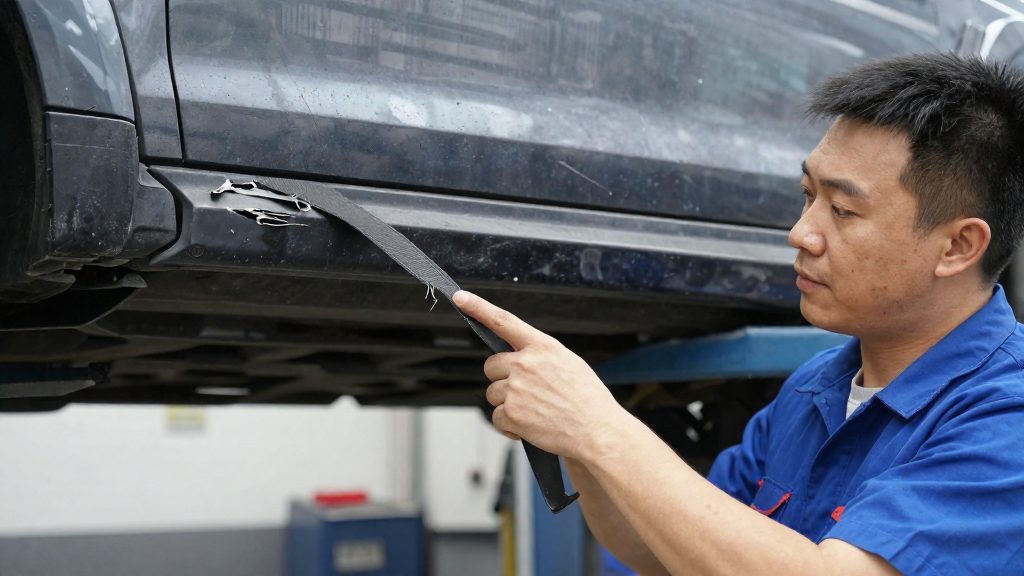
How to report a defect online
Start at nhtsa.gov and select the Report a Safety Problem option on the homepage. The complaint form covers vehicle, tire, car seat, and equipment safety issues, so choose the category that fits your problem. Then enter the vehicle details, including the VIN, and describe the problem in your own words.
Write the description as a timeline. Say what you were doing when the problem began, what you saw, heard, or felt, how often it happens, and whether it depends on speed, weather, load, or road conditions. For example, you might write that the steering wheel shook badly on the highway, starting after a pothole strike. Note what the dealer or manufacturer did, whether a repair was attempted, and whether the problem came back. Stick to facts and avoid guessing at the cause unless you have evidence.
Contact details are optional. Including them makes your complaint more useful, because NHTSA can follow up if it needs more information.
Reporting by phone
If you prefer not to use the online form, call the Vehicle Safety Hotline at 888-327-4236. It is open Monday to Friday, 8 a.m. to 8 p.m. Eastern Time. A caller can speak with a consultant who files the report on the vehicle’s safety defect and can also answer recall questions.
Have your VIN and the details in the next section ready before you call. NHTSA’s contact page lists a TTY option for callers who are deaf or hard of hearing, so check that page for the current number before you dial.
What to gather before you file
Collect the following items before you start, so your report is complete the first time:
- The VIN, plus the make, model, and model year.
- The mileage and the date the problem first started.
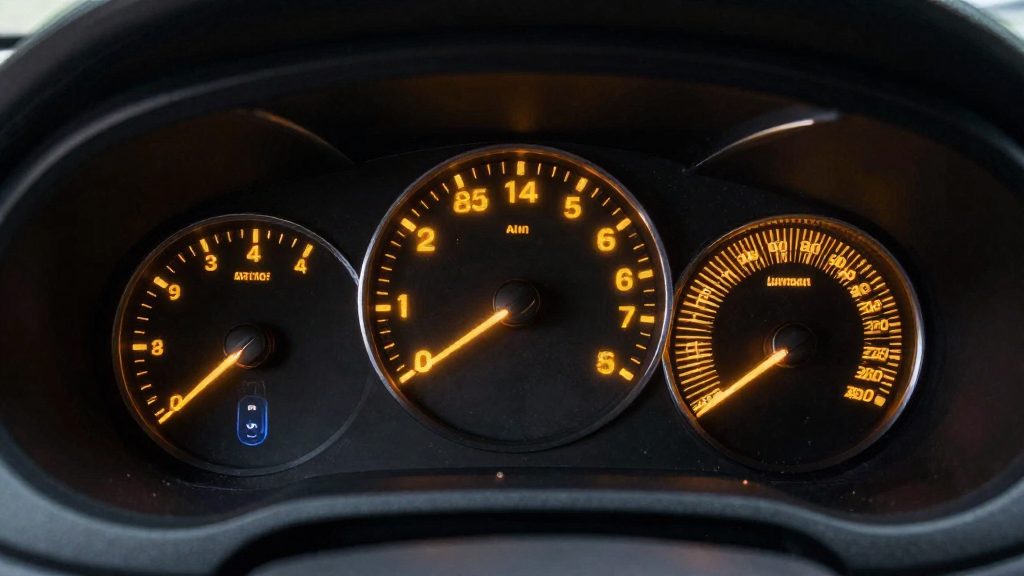
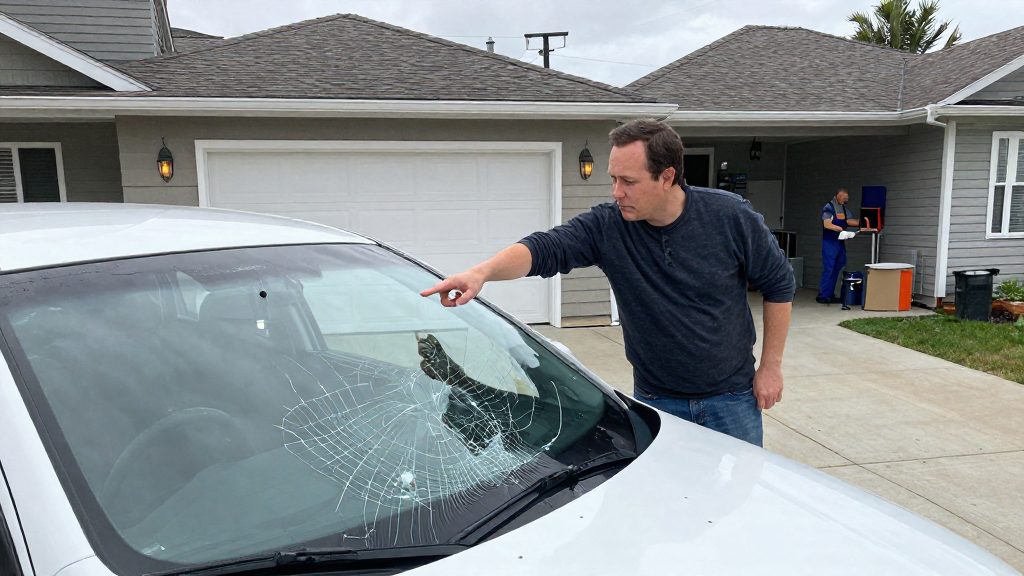
- Photos or video of the problem, such as a warning light, a leak, or damage.
- Repair orders and invoices from the dealer or an independent shop.
- Letters or emails you exchanged with the manufacturer.
- A police or fire department report, if a crash or fire occurred.
- For a tire problem, the brand, tire line, complete size, and DOT identification number, which is usually near the rim flange.
Document the problem before any repair changes it. If a part failed, ask the shop to keep it if you can, because it may be useful evidence. Do not delay a safety repair just to collect documentation.
What happens after you file
NHTSA reviews every complaint, along with other data, to look for a trend that could point to a safety defect. There is no minimum number of complaints needed to open an investigation, so a single well-documented report can matter.
Filing a complaint does not guarantee a specific repair, a recall, or an investigation. Keep a copy of everything you submit, along with the date you filed it. If the problem continues after a repair, file a new report with the new details rather than assuming the earlier one covered it. Keep your own records of every repair attempt too.
How to check your VIN for open recalls
Go to nhtsa.gov/recalls and enter your 17-character VIN. You can also check with the SaferCar app. The VIN is usually printed at the lower left corner of the windshield and on the label inside the driver-side doorjamb.
The lookup shows open recalls. A dealer performs recall repairs at no cost to you, so contact a dealer for the correct procedure if a recall appears. NHTSA also offers free recall email alerts that you can register for by VIN. Check again after any work on the vehicle, and keep the paperwork with your records.
When a problem is not a safety defect
Some common complaints do not count as safety defects under NHTSA’s guidance. Examples include a radio that does not work properly and ordinary wear of shock absorbers, batteries, brake pads and shoes, and exhaust systems. These are normal maintenance matters, so raise them with a dealer or an independent shop.
Wear items can still become unsafe if they fail. If braking, steering, or handling changes suddenly, treat the problem as urgent no matter which part is involved, and get the vehicle checked before you drive it further.
Frequently asked questions
Should I keep driving a car I think has a defect?
If the problem involves brakes, steering, a fuel leak, or a warning light tied to those systems, stop driving as soon as it is safe and arrange a tow or a dealer visit. For other issues, check your owner’s manual and the manufacturer’s guidance before deciding.
Will the manufacturer see my complaint?
Your personal details are not released publicly. If NHTSA opens an investigation, the manufacturer receives a full copy of the report.
Does a clean recall lookup mean my car was never recalled?
No. The lookup shows open recalls, and a completed repair may not appear. Keep your dealer’s service records as proof of past work.