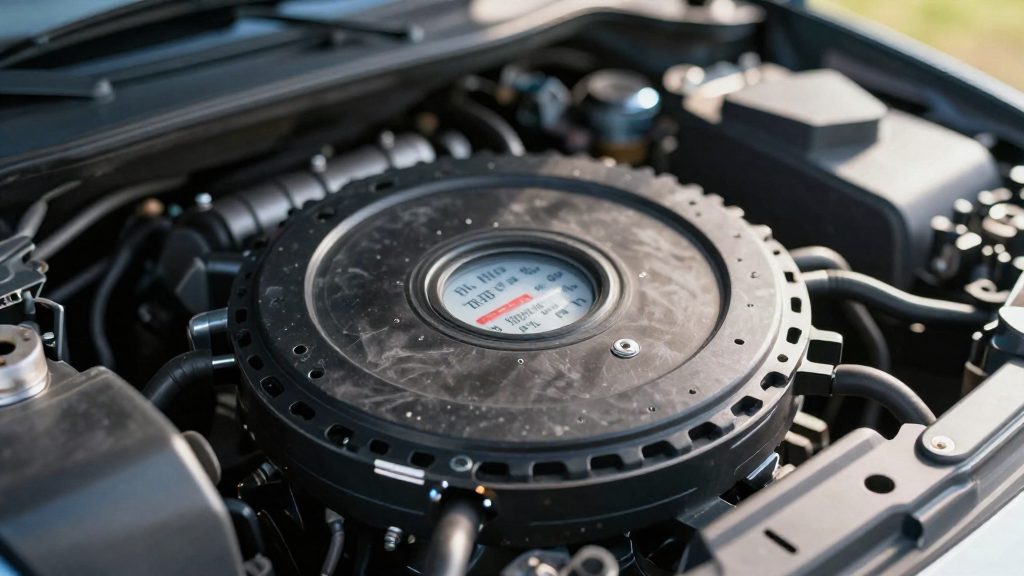
There is no single legal interval for replacing a cambelt in the UK. The figure is set by the car manufacturer, so the handbook or service schedule for your exact model and engine is the answer that counts. As a general guide only, the RAC says replacement is typically recommended every 60,000 to 100,000 miles, and some manufacturers specify five or six years of age instead. Use these ranges to understand the topic, then confirm the actual limit for your car before you plan any work.
How often should a cambelt be replaced?
The honest answer depends on your car. Some manufacturers give a mileage limit only, some give a time limit only, and others give both. A cambelt wears with use and also with age, because the rubber compound deteriorates over time even when the car is parked. When your car reaches whichever limit comes first, the belt should be renewed.
This matters most for low-mileage cars. A car that covers few miles a year may reach its time limit long before its mileage limit, and an older car with a modest odometer reading can still need a new belt. Check the service record for the date of the last change, not just the mileage.
The RAC’s general figures are not consistent. Its article gives 60,000 to 100,000 miles, while its FAQ gives 40,000 to 100,000 miles. That is a reason to treat general ranges as a prompt to check your handbook, not as a replacement date. Some handbooks also give figures in kilometres. One mile is roughly 1.6 kilometres, so convert before comparing a figure with your odometer.
Why does the handbook figure come first?
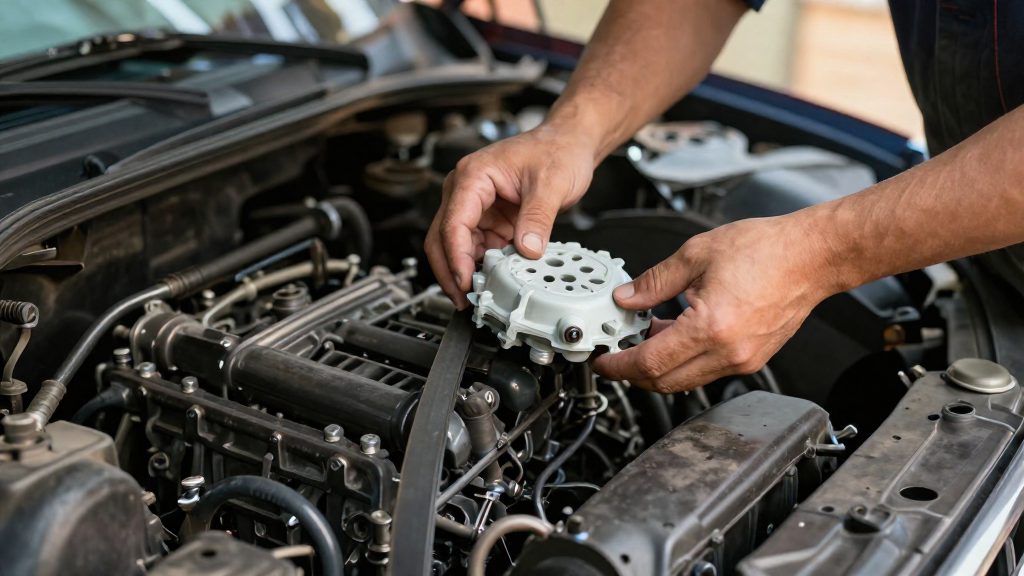
Engines differ. The belt, tensioner and layout are designed around a particular engine, so the same make can use different intervals for different engines. A general figure from a magazine or website cannot take that into account.
Driving pattern also matters. Many handbooks include a separate, shorter schedule for severe use, which often covers frequent short trips, stop-start traffic and extreme temperatures. If most of your driving is short urban journeys, look for that schedule and use it if it applies. Some published intervals are long, so if your handbook figure seems unusually high for your engine, ask a trusted garage to confirm it using your registration number or VIN before you accept it.
On engines where the belt runs in oil, neglected oil changes can shorten belt life, so keep oil changes on schedule as well.
Is the cambelt checked at the MOT?
Not as a routine item. GOV.UK states that the MOT test “does not cover the condition of the engine, clutch or gearbox”. The cambelt is an engine component, so a pass certificate does not tell you the belt is in good condition. The RAC makes the same point: a mechanic will not check the cambelt at the annual MOT. Because the test does not look at it, a long gap between belt changes can go unnoticed until a failure happens.
GOV.UK’s guidance for diesel vehicles, published on 21 May 2015, advises owners to have the camshaft drive belt replaced at the recommended intervals. The stated purpose is to reduce the risk of engine damage during the smoke test and improve the chances of passing. That is maintenance advice rather than a test requirement, so the responsibility stays with the owner.
If you want the belt looked at, ask the garage to inspect it during a routine service. The RAC says a mechanic who is asked to check it should tell you about any problems they find.
What warning signs suggest a cambelt problem?
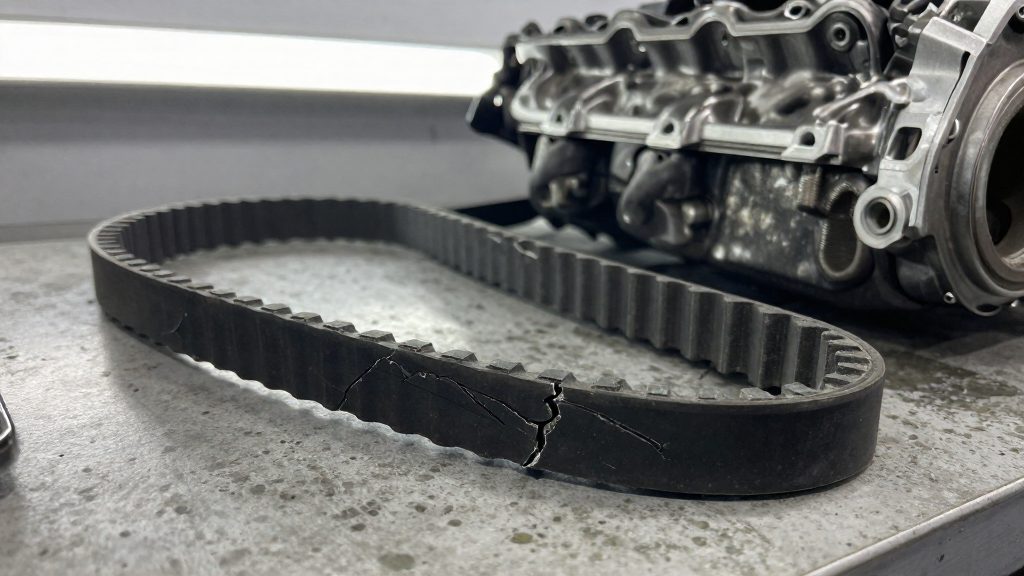
Many cambelts give no obvious symptoms before they fail, so you cannot rely on the car telling you in time. The RAC lists the signs that can point to a problem: engine misfires, rough or juddering idle, unusual rattling, squeaking or ticking noises, difficulty starting, oil leaking near the belt cover, and a warning light on the dashboard. If the belt is inspected, it may show cracks, fraying or missing grip teeth on the underside.
Do not treat any one of these as a diagnosis, because some of them can have other causes. The safe response is to get the car checked by a qualified mechanic rather than waiting to see whether the problem gets worse.
What should you do if the cambelt breaks?
Stop as soon as it is safe to do so, switch off the engine and do not keep trying to restart it. The RAC advises the driver to stop immediately and call a mechanic or breakdown provider. Do not drive the car further to the garage, because the engine may already be damaged and continued running can make the damage worse.
On many engines, a snapped or slipping belt lets the valves and pistons collide, which can cause serious and expensive engine damage. Engines of this type are often called interference engines. If you do not know which type you have, assume the risk is real and arrange recovery rather than driving the car yourself.
Is my car fitted with a cambelt or a timing chain?
Some engines use a timing chain instead of a belt. A chain is usually metal and generally lasts longer, but it is not maintenance-free, and the handbook still gives the manufacturer’s guidance for it. Do not assume a chain means you never need to act.
Check the engine section of the handbook or the service schedule for the words “timing belt”, “cambelt” or “timing chain”. If the handbook is missing, ask a dealer or a qualified garage with your registration number or VIN.
What should be changed at the same time?
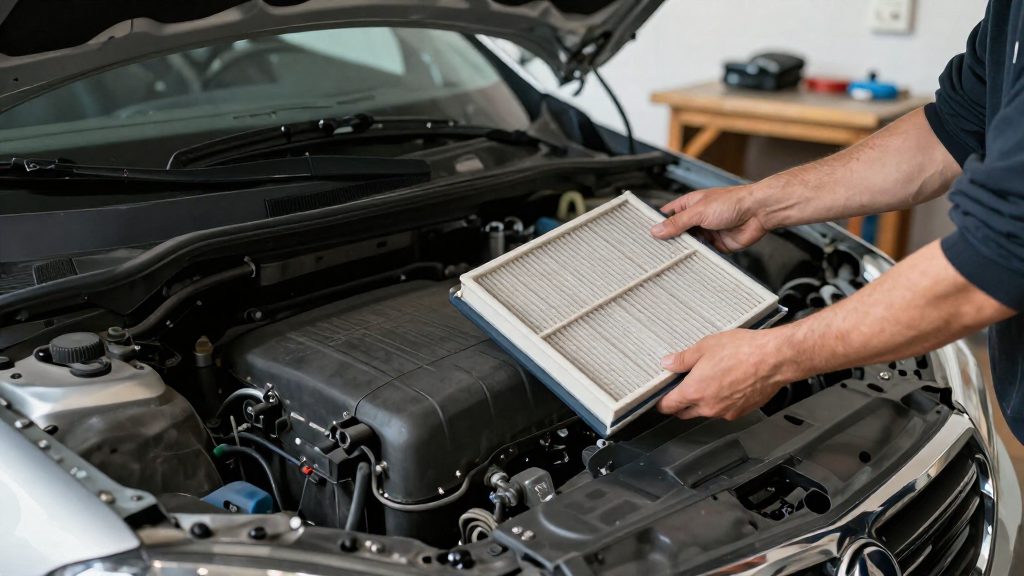
Changing the cambelt is usually part of a wider job. Garages commonly recommend renewing the tensioner and idler bearings with the belt, along with the water pump if it is driven by the belt, and any auxiliary drive belts that must be removed to reach the timing cover. The reason is practical: these parts wear at similar rates, and paying to access the engine twice is wasteful.
Ask the garage for an itemised quote showing each part, so you can see what has been included and why. Keep it with the rest of your paperwork.
Where do you find your car’s interval?
Start with the handbook, which should have a service schedule for your model. The service book stamped at previous services may also show when the belt was last changed. If neither is available, contact a main dealer, a qualified garage or the manufacturer’s customer service with your registration number or VIN, and ask for the timing belt interval for your exact engine.
Frequently asked questions
Does a battery electric car have a cambelt?
No. A battery electric car has no combustion engine and therefore no cambelt. Check the maintenance guide for your model, because its schedule will differ from a petrol or diesel engine.
What records should I keep after a cambelt change?
Keep the invoice showing the date, the mileage, the registration or VIN and the parts replaced. A clear record helps the next owner and any garage that checks the interval later.
Can I rely on a seller who says the belt was changed?
Ask for the invoice. Without one, do not assume the work has been done. Have a garage check the VIN against the manufacturer’s interval, and plan the work if it is due or uncertain.