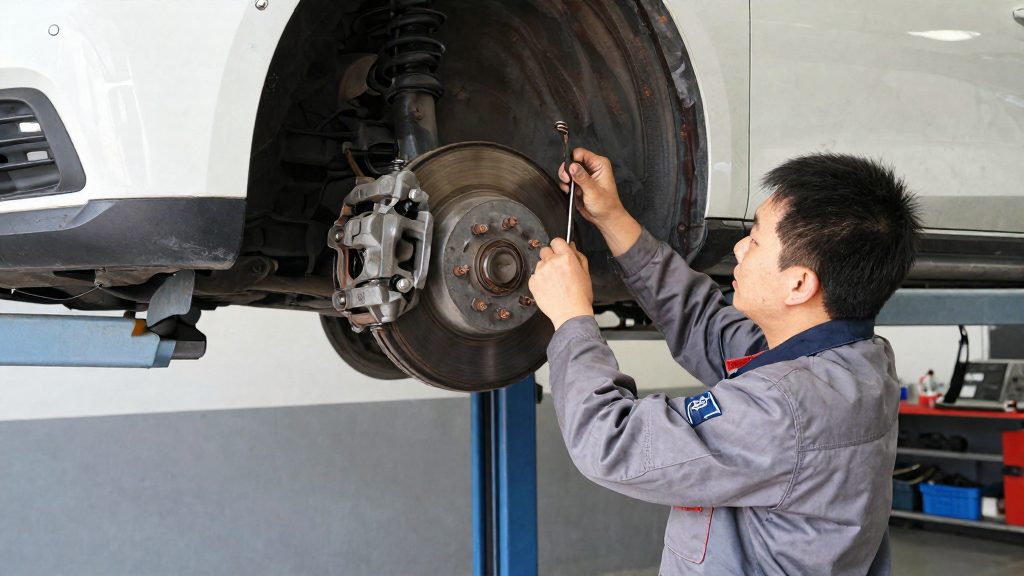
When a car is recalled in the UK, the manufacturer is responsible for getting it fixed or replaced. In practice, the dealer or workshop is where the work is done: you book an appointment, the car is checked against the recall, and the repair or replacement is carried out. Official guidance says owners do not usually pay for recall repairs or parts. Before booking anything, confirm that the recall is open on your car, read the letter carefully, and find out whether the car is safe to drive.
How do you find out whether your car has an open recall?
Start with the free government checker at gov.uk/check-vehicle-recall. Enter the car’s registration number and the service shows safety recalls that have not yet been checked or fixed, together with the car’s MOT history. If you do not have the registration number, you need the manufacturer, model and year of manufacture instead. The same route covers parts and accessories such as child car seats, seat belts and tyres, which are checked by manufacturer and model.
Run the check when you receive a letter, before you buy a used car, and again after any recall work to confirm the item now shows as fixed. A recall that appears on the checker is still open until the record shows otherwise, so do not assume it has been dealt with because a garage told you so in passing.
What does the manufacturer have to do?
According to GOV.UK, the manufacturer is responsible for getting a recalled vehicle fixed or replaced. The DVSA code of practice on vehicle safety defects and recalls, last updated on 6 March 2024, says that a producer or distributor must notify DVSA once a safety defect has been confirmed, and that it does not need to wait for a finished fix before doing so.
Owners are normally told by letter sent to the registered keeper. The code says the letter should flag a safety recall and set out what the owner must do. It also expects repeated contact where needed, and states that three notifications per motorist would be seen as reasonable, provided response rates follow the agreed plan. The code adds that registered keeper details will not always be available, so a letter may not reach the current owner of a car that has changed hands recently. This is why the checker is worth using even if no letter has arrived.
What does the dealer do for a safety recall?
The DVSA code describes recall work as something a manufacturer usually manages through its dealer network, and notes that dealers can also meet recalled vehicles outside a formal plan. In practice, the dealer is the workshop that checks your car against the recall, carries out the repair or fits a replacement part, and hands the car back. Which workshops can do the work, and how to book, should be stated in the letter or on the manufacturer’s recall pages.
The visit may take longer than a routine service, and a part may need to be ordered before the work can start. When you book, ask how long the appointment is expected to take, whether a part is needed, and what happens if the part is not in stock. Ask for a written record of the work carried out and keep it with your car documents, because it shows the recall has been completed.
If the workshop tells you your car is not covered, do not simply accept it or argue on the spot. Ask them to show you which recall they checked against, then run the government checker with your registration number. If the two disagree, contact the manufacturer with the details from the letter and the checker result, and ask it to confirm in writing whether the recall applies to your car.
Why are recall repairs usually free?
GOV.UK states that owners will not usually have to pay for any repairs or parts when a vehicle is recalled. The word usually matters. If the workshop proposes extra work that is not part of the recall described in your letter, treat it as a separate job. Ask for the quote in writing, check it against what the letter covers, and agree or refuse it before any work starts. You are not obliged to accept unrelated work simply because it was found during a recall appointment.
It is also worth knowing that recall notices are not limited to safety defects. The code of practice says that all safety and non-safety recalls are published on GOV.UK, so the same checking habit applies to both.
When should you stop driving a recalled car?
GOV.UK warns that where a vehicle has a serious safety defect, the owner must not drive it. Treat any recall letter that describes a serious defect in this way. Do not drive the car to the workshop. Instead, phone the manufacturer and ask how the car should be moved, and follow the instructions it gives you in writing.
For a recall that does not describe a serious defect, follow the letter exactly. If it does not say whether the car can be used normally, contact the manufacturer before you make a long journey or carry passengers. If you notice a warning light, unusual noise, handling change or any symptom that matches the defect described in the letter, stop using the car and ask the manufacturer for advice before you drive it again.
What if the manufacturer does not act?
GOV.UK advises owners to report a serious safety defect to the manufacturer immediately. If you are unhappy with how the manufacturer is handling the matter, contact the Driver and Vehicle Standards Agency. DVSA says it will investigate the issue with the manufacturer and tell you what action is being taken. Keep a note of the dates of your calls, emails and letters, and the names of the people you spoke to, as this will help DVSA if you need to escalate the matter.
How do you prepare for the workshop visit?
Bring the recall letter, the car keys and any paperwork the letter asks for. Write down the symptoms or warning lights you have noticed, even if they seem unrelated, so the workshop can check them during the same visit. Ask whether you can leave the car for the day, and whether a replacement vehicle is offered, rather than assuming either way.
Before you collect the car, check that the work described in the paperwork matches the recall in your letter. Afterwards, run the GOV.UK checker again. If the recall still shows as open, keep the workshop record and contact the manufacturer. Do not accept a verbal assurance alone.
Why does the recall check matter when buying a used car?
Because the checker shows both open recalls and MOT history, it gives a buyer two useful views of a used car in one search. Do not rely only on the seller’s word. Ask for the registration number, run the check yourself, and if a recall is still open, ask the seller to arrange the repair before the sale or agree in writing who will book it. A car with an unfixed safety recall may still need the manufacturer’s work before it is safe for everyday use.
Frequently asked questions
What if the checker shows no recall but I received a letter?
Keep the letter and contact the manufacturer with your registration number and any reference or details printed on the letter. Ask them to confirm in writing whether the recall applies to your car and to correct their records if needed.
Do non-safety recalls appear on the same checker?
Non-safety recalls are published on GOV.UK as well, so use the same route to look for them. Read the notice to see what it covers before deciding whether to book the work.
How often should I check my car for recalls?
Check when you receive a recall letter, before buying a used car, and after any recall repair to confirm it is closed. Checking at other times is also sensible, because recalls can be issued at any point.