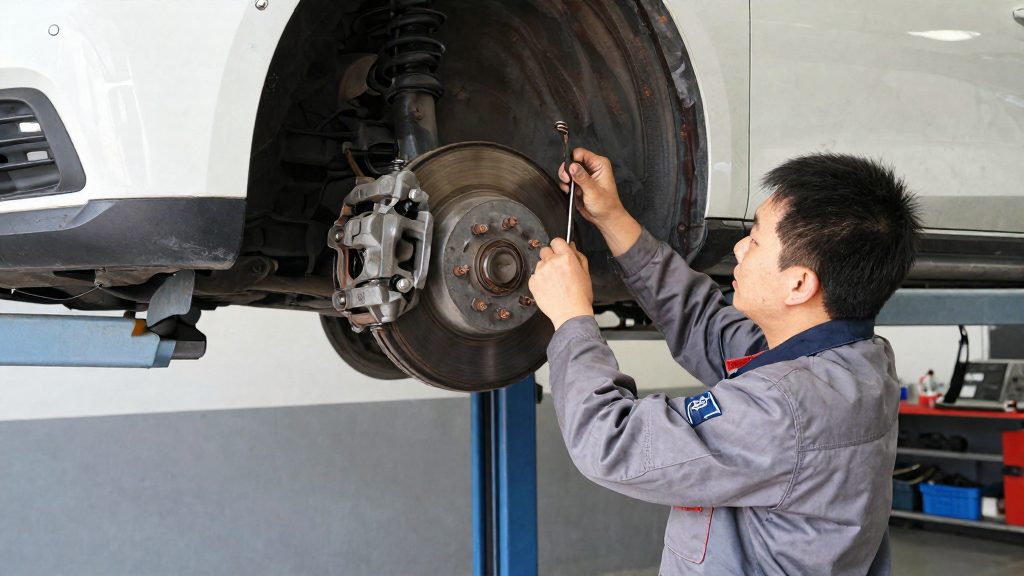
There is no official timescale for how long a safety recall repair takes in the UK. GOV.UK sets no deadline for getting a recall fixed, and The Motor Ombudsman gives no typical duration either. In practice, the wait depends on how complex the fix is, whether parts are available and how busy the franchised dealer is. The recall notice from the manufacturer should say how long the repair may take, and the repair is usually free of charge. Book it as soon as you can, and do not drive the vehicle if the notice or the dealer advises against it.
How long can a recall repair take?
No official body publishes a typical number of days or weeks. Neither GOV.UK nor The Motor Ombudsman gives a figure for a typical fix, so any estimate for your vehicle has to come from the manufacturer or the dealer. The Motor Ombudsman says a recall notice should include a line headed “How long it may take”, which makes the notice the most reliable source you have.
When you read the letter, note the following: the recall reference, the description of the defect, the estimated repair time, the franchised dealer you are asked to contact and any instructions about driving. If the estimate is missing or unclear, phone the dealer, ask for a date in writing or by email, and record the name of the person you spoke to. Any figure you are given by a dealer is a practical estimate for your appointment, not an official standard.
Why does the repair time vary?
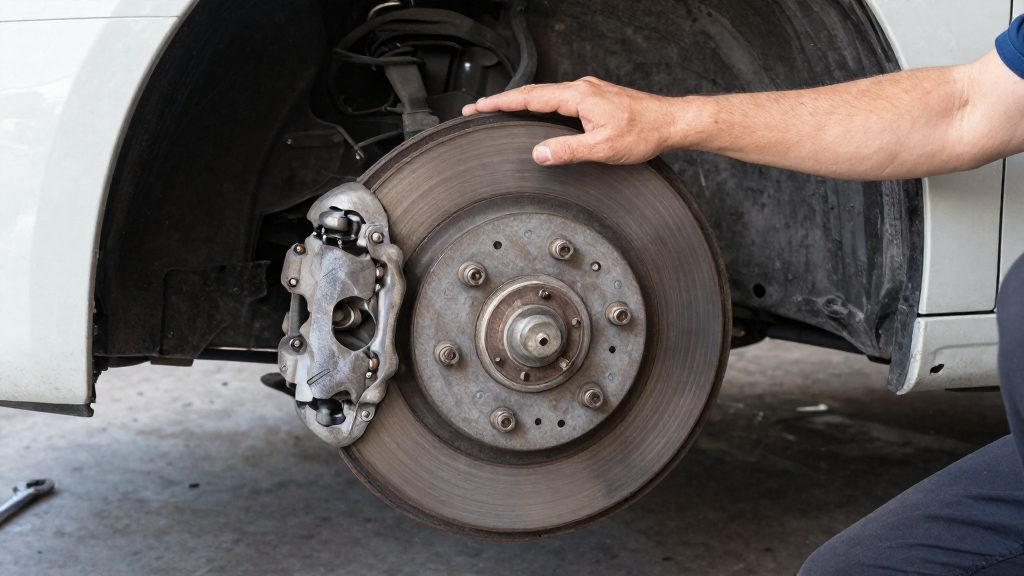
Several factors decide how long you wait, and most of them sit outside your control. The first is the nature of the fix. A simple software update is very different from a component that has to be ordered, fitted and tested, and the notice should describe which applies to your model.
The second is parts availability. The government’s code of practice on safety defects and recalls in the vehicle aftermarket does not set a timescale for repairs or for parts supply. The Motor Ombudsman notes that the New Car Code does not stipulate a timeframe for supplying parts to repairers either, and says a manufacturer will endeavour to supply parts as soon as possible. In other words, the time for parts is set by the manufacturer’s supply chain, not by a legal limit.
The third is dealer appointments. If the franchised dealer has no near-term availability, The Motor Ombudsman suggests contacting the vehicle manufacturer to ask about other businesses in your area that may have space. The fourth is volume. When a recall covers a large number of vehicles, appointment books can fill up quickly. This is a general practical point rather than an official rule, and it is one reason to book early.
When should you book the repair?
There is no deadline for booking. GOV.UK states that it sets no deadline or timescale for getting a recall fixed. The Motor Ombudsman says there is no deadline as to when a vehicle needs to be taken to a business for repairs, but adds that addressing concerns promptly is best. It advises visiting a franchised dealer as soon as possible so that any defects are rectified.
Booking early has practical benefits. It gives you time to chase parts, to ask about an alternative dealer if the first date is far off, and to arrange transport before the appointment. Waiting carries its own risk, because the owner is legally responsible for keeping the vehicle safe to drive. GOV.UK also warns that if you do not get the vehicle inspected and fixed, this could affect any insurance claim you make.
Can you keep driving while you wait?
The answer depends on the defect described in the notice, not on how long the appointment is. GOV.UK says you are legally responsible for making sure your vehicle is kept in a safe condition and is safe to drive whenever you drive it. It also warns that you can be fined up to £2,500, be banned from driving and receive 3 penalty points for driving a vehicle in a dangerous condition.
If the notice tells you not to drive the vehicle, follow that instruction. If you are unsure whether the fault affects safety, do not drive it until you have asked the franchised dealer or the manufacturer for advice in writing. While you wait, arrange another way to get around, such as a lift, public transport or a hire vehicle. Keep copies of the notice and of every message exchanged, because these show what you were told and when.
Who can carry out the work, and at what cost?
Recall work should be carried out by a franchised dealer. The Motor Ombudsman states that independent mechanics or garages outside the franchised dealer network are not authorised to do recall work in the UK. If a garage that is not part of the network offers to do the work, ask them to confirm in writing that they are authorised for this recall before you agree to anything.
The cost should also be clear from the start. The Motor Ombudsman says recall fixes should be corrected at no cost to you, because the problem is linked to manufacturing. GOV.UK agrees that you will not usually have to pay for any repairs or parts under a safety recall. If anyone asks you to pay for recall work, contact the manufacturer before you agree to pay anything.
What if the repair is delayed?
Start by asking the franchised dealer for a firm date and a reason for the wait, and record the answer. If the date is still far off, contact the vehicle manufacturer and ask whether another business in your area has availability, since The Motor Ombudsman suggests this route when the nearest dealer is full.
You can also ask whether a courtesy car is available. The Motor Ombudsman says a courtesy car is offered at the discretion of the manufacturer or dealership, and treats it as a goodwill gesture. Ask for one, but plan for the possibility that you will not get one. Keep a written record of every call, email and appointment, with dates and the names of the people you spoke to. If the car is not safe to drive while you wait, arrange transport rather than driving it.
How do you confirm that your vehicle is covered?
Use the GOV.UK recall checker. For a car, enter the registration number. If you do not have it, you need the manufacturer, model and year of manufacture. For parts and accessories, the manufacturer and model are enough. The checker is also separate from the DVSA’s register of registered faults, which you can search in the same place.
The manufacturer issues recalls, and for serious safety defects it writes to the owner to explain what to do. The MOT certificate might also show that a vehicle has been recalled for a safety reason, but this depends on the manufacturer and applies in England, Scotland and Wales. Northern Ireland has separate guidance, which is published on nidirect, so check there if you live in Northern Ireland.
Frequently asked questions
What if I never receive a recall letter?
Check your vehicle on the GOV.UK recall checker using the registration number. A letter may not arrive if the manufacturer does not have your contact details, which is the case for some items such as child car seats. Contact the manufacturer to update your details.
Does a recall still apply if I bought the car second-hand?
Recalls relate to the vehicle, so the checker works whoever owns it. Use the registration number or, if you do not have it, the manufacturer, model and year of manufacture. Ask the franchised dealer to confirm whether the work is still needed.
Where do I find the guidance if I live in Northern Ireland?
Northern Ireland has separate guidance on recalls and MOT certificates, published on nidirect. Check it first, as the England, Scotland and Wales guidance may not apply to you.