What does the engine warning light mean?
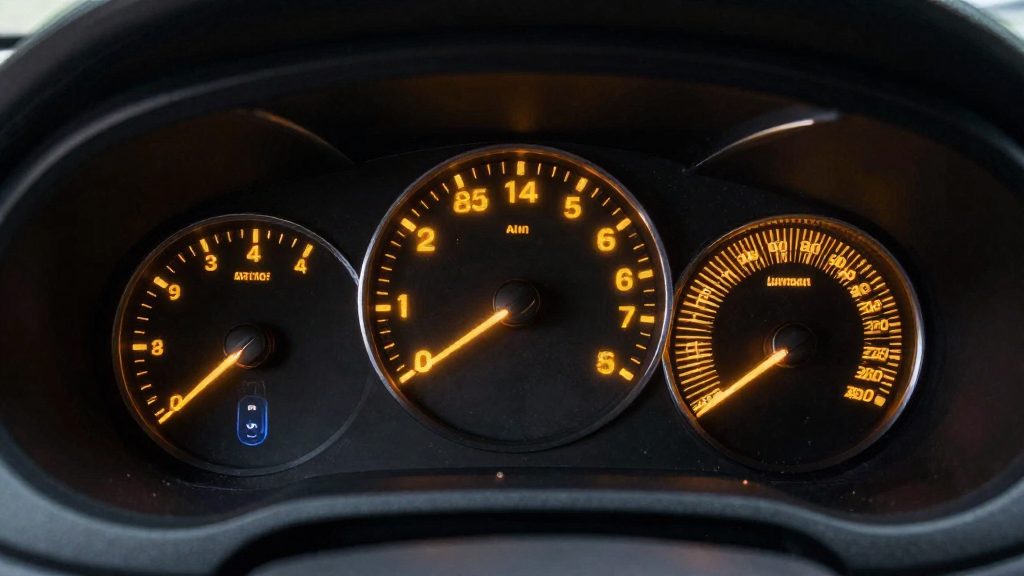
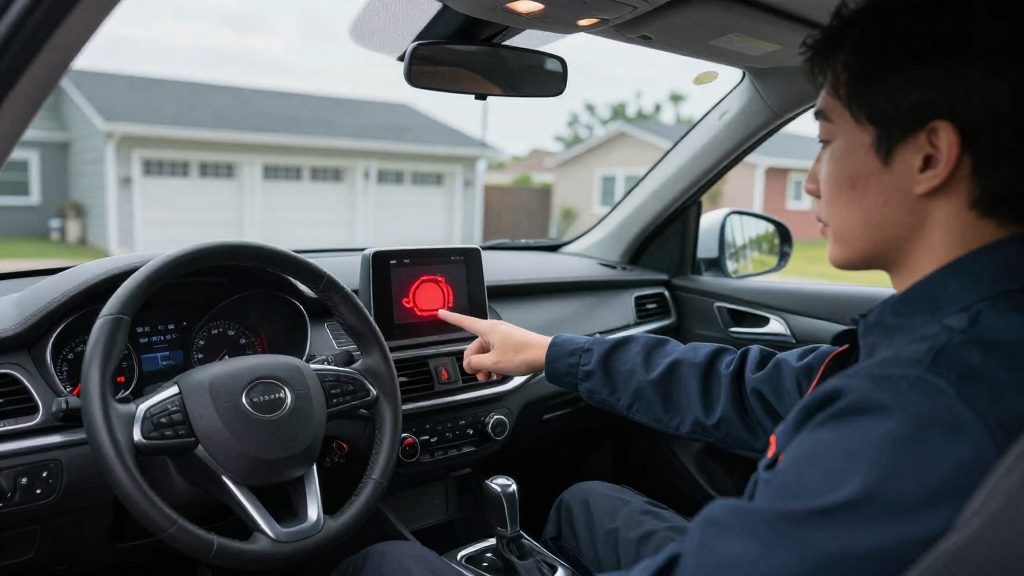
The engine warning light, usually labeled “Check Engine” or “Service Engine Soon,” is the dashboard lamp that your car’s onboard diagnostic system, known as OBD, uses to report a fault. Engineers call it the malfunction indicator lamp. When the system detects a problem, it stores a diagnostic trouble code and turns the lamp on. The U.S. Environmental Protection Agency (EPA) describes the light as a signal that a problem was detected and that service is needed.
The light does not tell you which part has failed, and it does not reveal how serious the problem is on its own. Its pattern, steady or flashing, and how the car behaves are your first clues about urgency.

Steady light or flashing light: what is the difference?
A steady light means the system has found a fault that needs attention. EPA guidance states that the light is meant to inform the driver of the need for service, not the need to stop the vehicle. In most cases you can drive to a repair shop, but keep trips short and gentle, and do not postpone the visit.
A flashing light is different. EPA describes a flashing lamp as indicating a rather severe level of engine misfire, meaning one or more cylinders are not burning fuel properly. Treat a flashing light as urgent. Continued driving can add damage and raise repair costs, so reduce speed and get the car to service as soon as possible.
What should you do right away when the light is steady?
Start with a quick check, then drive with care.
- Note what has changed: rough idling, lower power, a new noise or smell, or a second warning light.
- Check the gas cap if you refueled recently. The steps are in the gas cap section below.
- Avoid high speeds, heavy loads, and long highway trips. EPA advises trying not to drive at high speed or with excess weight while the light is on.
- If a second warning light comes on, do not treat the situation as routine. Pull over safely, switch off the engine, and check your owner’s manual before going on.
- Book a diagnosis soon. EPA guidance warns that waiting can mean costlier repairs or further damage.
What should you do right away when the light is flashing?
Your first priority is to protect the engine and yourself.
- Ease off the accelerator and reduce your speed. Avoid hard acceleration and do not carry heavy loads or tow.
- Move to a safe spot out of traffic, such as the shoulder or a parking lot, as soon as you can do so safely. Turn on your hazard lights.
- If the engine runs rough, loses power, stalls, knocks, or you smell fuel strongly, switch the engine off and call roadside assistance rather than driving further.
- If the engine runs smoothly and you must keep going, drive gently and only as far as the nearest service location.
- Do not keep restarting the engine to see whether the light goes away. A flashing light is not a problem that resolves by waiting.
Check the gas cap first
A loose or missing gas cap is one of the faults the OBD system can detect. EPA explains that a cap that is not properly tightened after refueling lets fuel vapor escape, which the system registers as a leak and reports through the light. A flashing light, however, points to a misfire, so do not assume the cap is the cause.
When you reach your destination, make sure the cap is secure and not loose or missing. Do not refuel with the engine running, since EPA notes that this can turn the light on. If the cap is cracked, worn, or missing, replace it with the correct cap for your vehicle. Your owner’s manual or a dealer can confirm the right part. After you tighten the cap, EPA says the dashboard light should go out within a few days.
Why does the light sometimes go off by itself?
If the OBD system evaluates a component or system three consecutive times and no longer detects the original problem, the dashboard light turns off automatically. EPA states that this is normal operation and does not mean the system is faulty. It is not the same as a repair, though. The stored code can remain, and if the fault returns, the light will come back on. Treat a light that returns as a sign that the problem still exists.
How is the problem diagnosed, and when should you see a mechanic?
A shop connects a scan tool to the OBD port, usually located under the dashboard, and reads the stored diagnostic trouble codes. A code identifies the system where the fault was detected, but it does not always point to one specific part. A good mechanic runs related checks before replacing anything, so ask what the code means and what tests were done.
See a mechanic soon if the light is steady and stays on after you have checked the gas cap. See one immediately if the light flashes, or if you notice any of the warning signs listed above. Keep a short note of when the light came on, the speed or conditions at the time, and any changes you noticed. This information helps the technician narrow down the fault and can save time and money.
An engine warning light is information, not a verdict. Read the pattern, take the right immediate step, and let a qualified technician confirm the cause.
Frequently asked questions
Can I clear the light myself with an OBD-II scanner?
You can read and clear codes with a basic scanner, but clearing does not repair anything. If the fault is still present, the light will return, and the stored information a mechanic needs may be lost. Read the code, write it down, and then have the car checked.
Will an engine warning light make my car fail an emissions inspection?
Rules differ by state and by test type, so do not assume either way. Check your state’s vehicle inspection or environmental agency for the rules that apply where you register the car.
Does a red warning light mean the same thing as the check engine light?
No. Red warning lights usually signal a different system, such as oil pressure, coolant temperature, or brakes, and they may require you to stop the engine. Check your owner’s manual to confirm what each light means on your car.