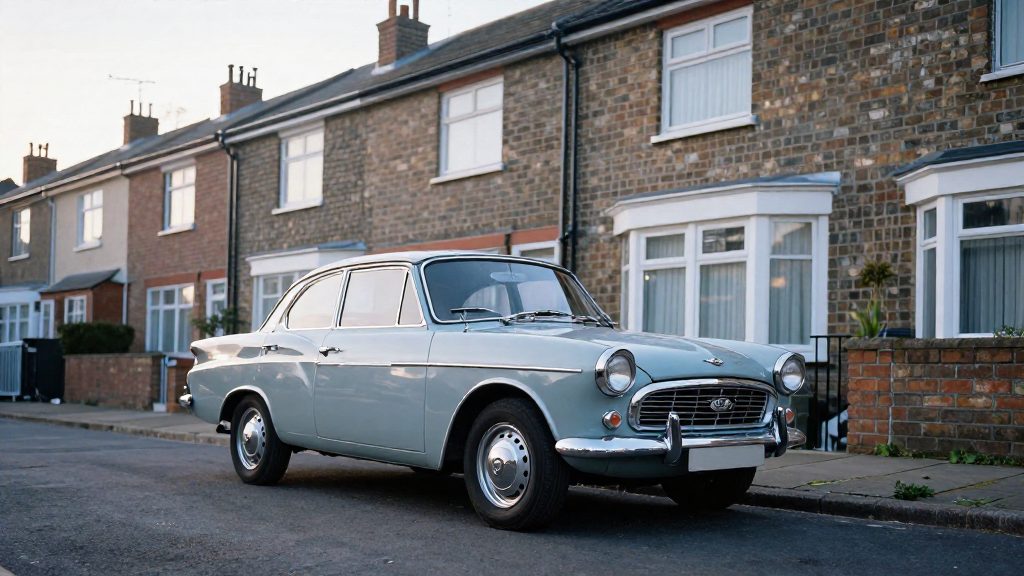
A vehicle does not need an MOT in Great Britain if it was built or first registered more than 40 years ago and no substantial changes have been made to it in the last 30 years, according to GOV.UK (2026). The exemption removes the annual test only. The vehicle must still be kept roadworthy, and the exemption must be declared when you apply to tax it. This guide explains how to check each condition, what counts as a substantial change, and what you must do to stay within the law.
How do I check whether my vehicle meets the age test?
GOV.UK sets the age condition as ‘built or first registered more than 40 years ago’. The build date and the first registration date are the two reference points, so gather both before you decide. Your registration document (V5C) records the registration details, while the build date may appear in manufacturer records, on a plate fitted to the vehicle or in paperwork from previous keepers. If the records disagree, do not guess. Read the full guidance on GOV.UK first, and contact DVSA if the answer is still unclear.
The 30-year condition works backwards from today. Any change made within the last 30 years must be assessed against the definition in the next section, whatever point in that period it was made. GOV.UK states that if you cannot confirm that a vehicle has not been substantially changed, you must not claim the MOT exemption. Keep invoices, receipts and dated photographs of any work, because they help you answer that question honestly.
What counts as a substantial change?
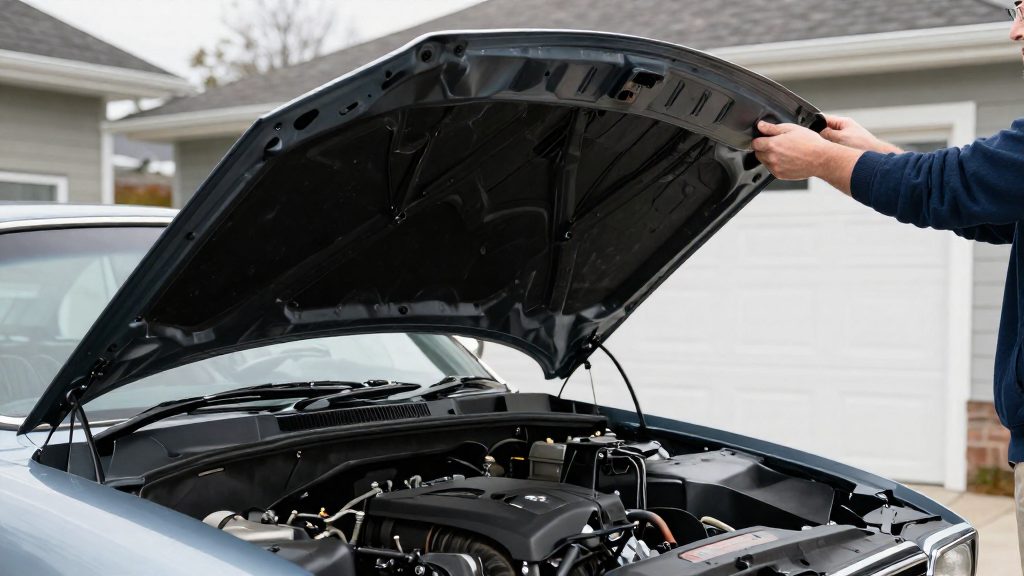
GOV.UK defines a substantial change as an alteration where the technical characteristics of the main components have changed within the previous 30 years, unless the alteration falls into the category of acceptable alterations. The test concerns how the core components of the vehicle work, not simply whether a part has been swapped. The examples given focus on the chassis, body, axles and engine. Replacing one of these so as to change the way the vehicle works is a substantial change. Altering the type or method of suspension and steering is also given as a substantial change.
The acceptable alterations category is an exception, and its details are set out in the full guidance on GOV.UK. Read those details before relying on the exception, and do not assume a change is acceptable because a seller or a previous keeper described it that way.
Why must you tell DVLA about changes?
GOV.UK states that there is a legal requirement to notify DVLA of any changes made to a vehicle. The same guidance explains that its purpose is to determine the testing position of a substantially changed vehicle, not its registration. In practice, the MOT question and the registration question are separate, and answering one does not settle the other. If you are unsure whether a change needs reporting, contact DVLA before you make any declaration.
How do you declare the exemption and the tax position?
You declare the MOT exemption when you apply to tax the vehicle, by completing the relevant form. GOV.UK links to V112 forms for cars. Vehicle tax exemption is a separate rule with its own conditions. According to GOV.UK (2026), a vehicle built before 1 January 1986 can stop paying vehicle tax from 1 April 2026. If the build date is unknown, a vehicle registered before 8 January 1986 also qualifies. You must apply for the vehicle tax exemption, which places the vehicle in the historic tax class.
What are your duties as an exempt keeper?
Being exempt from the MOT is not the same as being exempt from roadworthiness. GOV.UK says your vehicle must be roadworthy whether it is exempt or not. Using a vehicle in a dangerous condition can bring a fine of up to £2,500 and 3 penalty points, according to GOV.UK (2026).
Before each journey, carry out simple checks:
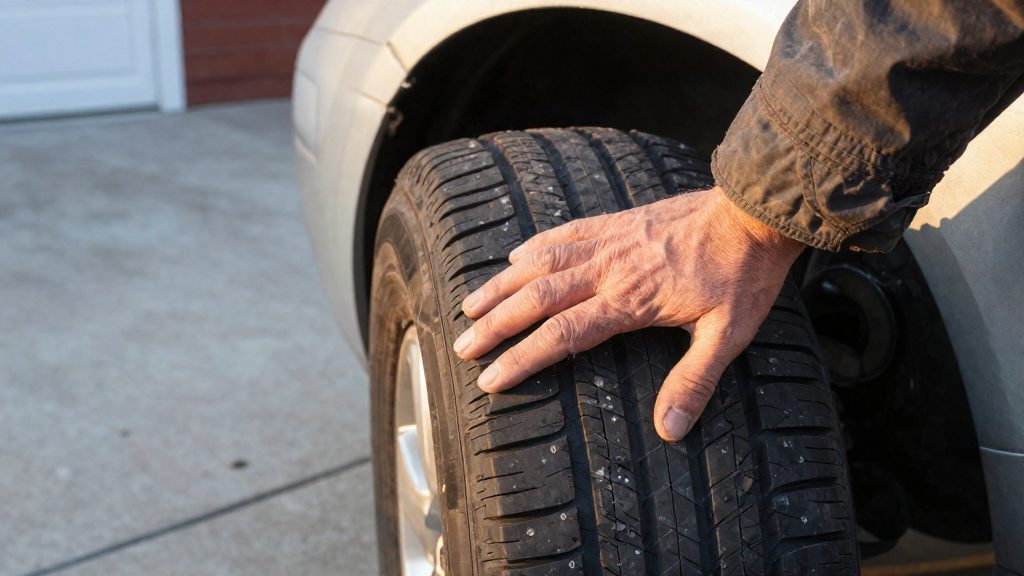
- Tyres : look for correct inflation, visible damage and even wear across the tread.
- Brakes : check the pedal feel and listen for pulling to one side or unusual noises.
- Steering and suspension : look for excessive play, knocking or drift on a straight road.
- Lights, horn and wipers : confirm that each one works.
- Underside : look for fluid leaks and corrosion, particularly around the chassis and axles.
If a check reveals a fault, do not drive the vehicle on the road until it has been repaired. After any work on the brakes, steering, suspension, chassis or axles, have the vehicle checked by a competent specialist before its first journey.
What should you check when buying an older vehicle?
A seller’s description is not proof that the exemption applies. Ask for the registration document and any records of work carried out, including invoices for engine, chassis, body or suspension work. Ask the seller to state in writing whether the vehicle has been substantially changed, then compare that statement with the vehicle itself. A replaced engine, a different body or altered suspension should prompt questions. If the seller cannot answer, treat the exemption as unconfirmed. The declaration is yours to make as the keeper, so do not complete it on the basis of a seller’s assurance alone.
Does the exemption apply to every older vehicle?
Not automatically. A vehicle must meet both conditions, and the full guidance on GOV.UK should be read in detail if the vehicle is used commercially or carries passengers for payment. If you are unsure whether the exemption applies to your type of vehicle or your use of it, contact DVSA rather than relying on a general summary found online.
When should you still book a voluntary MOT?
A voluntary test at an authorised MOT test station can help when you are unsure whether the vehicle has been substantially changed, after restoration or major work, or before returning to regular use of a vehicle that has been stored for a long time. A test gives an independent view of the vehicle’s condition on the day it is carried out. It does not replace your own declaration, and it does not make an unclear change acceptable. If the test finds faults, repair them before using the vehicle on the road.
Frequently asked questions
What should I tell a buyer if I sell an MOT-exempt vehicle?
Tell the buyer that the vehicle has no current MOT certificate and that its exemption depends on whether it has been substantially changed. Hand over the registration document and any records of work carried out, so the buyer can make their own informed decision.
Does the MOT exemption apply in Northern Ireland?
This guide covers Great Britain only. For Northern Ireland, check the official information on nidirect or contact the Driver and Vehicle Agency before assuming that any exemption applies.
Does the MOT exemption change my insurance?
The MOT exemption is a question for DVSA and DVLA. Insurance terms are set by your insurer, so contact them directly to ask whether the vehicle’s status affects your cover.