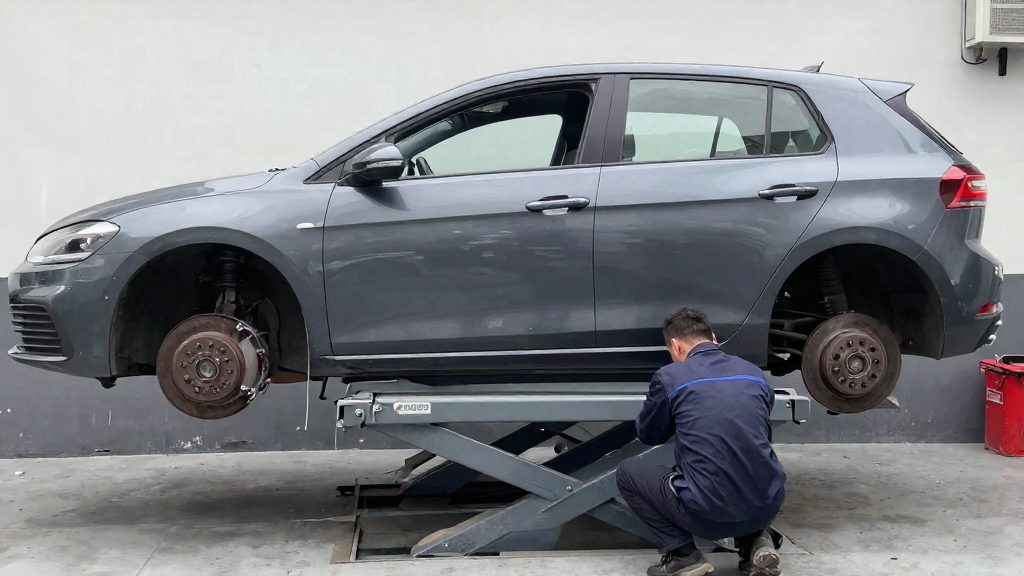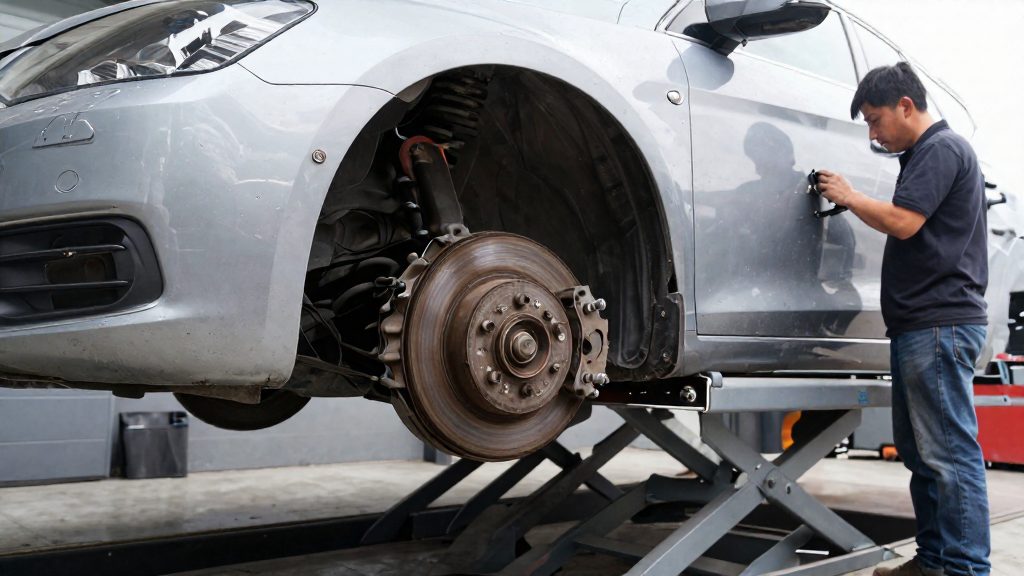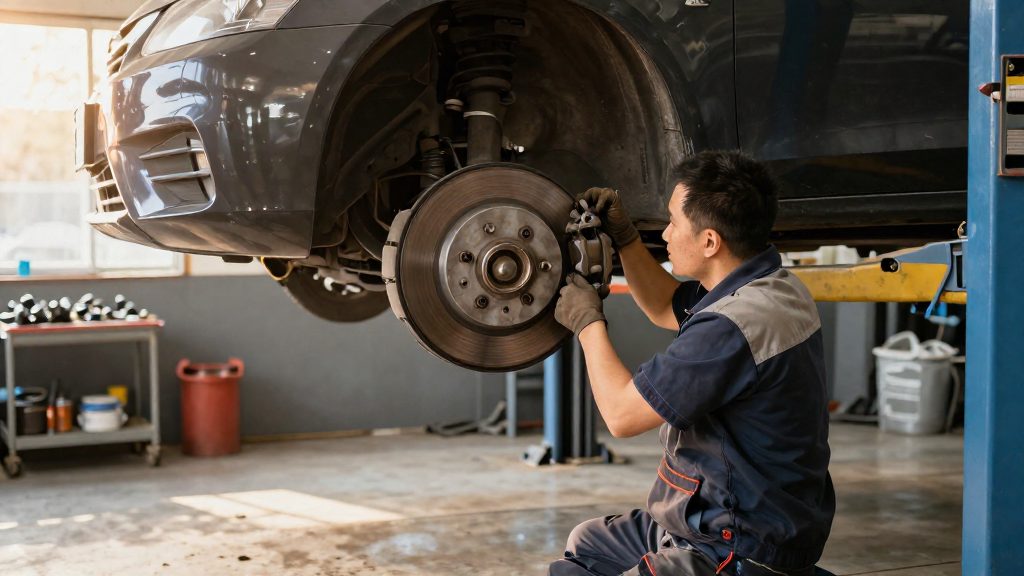
The DVSA MOT history check, run on GOV.UK, shows every past MOT test recorded for a vehicle: whether it passed or failed, the mileage at each test and when the next MOT is due. Each defect found is graded as dangerous, major or minor, and advisories flag parts that may become a problem later. Reading these grades correctly lets you judge whether a car is safe to buy, which repairs come first, and whether a pass certificate really tells you what you need to know.
How do you check an MOT history by registration?
You need the vehicle’s number plate, which GOV.UK calls the registration number. Enter it on the ‘Check MOT history’ service and the results appear for that vehicle. You can therefore look up a car before you agree to buy it, as long as you have its registration number from the seller or the advert.
For tests carried out in England, Scotland and Wales, the 11-digit number from the vehicle’s log book (V5C) also lets you see where each test was done. Ask the seller to show you the log book in person, and check that the registration number and the V5C details match the car you are looking at.
What does the MOT history show, and what does it leave out?
The service lists each past test with a pass or fail result, the mileage recorded at that test and the date the next MOT is due. It also shows which parts failed at each test and which parts had minor problems. Cars, motorcycles and vans have history back to 2005. HGVs, trailers, buses and coaches have history back to 2018, and Northern Ireland tests go back to 2017.
The history may also show whether the vehicle has been recalled for a safety reason, but this depends on the manufacturer. GOV.UK points to a separate recall checker, so use it as well rather than relying on the MOT record alone.
The history has limits. It records what the tester saw on test day, not the servicing carried out between tests, and the mileage is only as accurate as what was recorded at each visit. If you are buying, ask for the service book and receipts for major repairs.
Why do defect categories matter when you read a history?
DVSA sorts every defect into one of three categories, and the MOT inspection manual sets out the wording testers must use. A minor defect has no significant effect on safety. A major defect may prejudice the safety of the vehicle or put other road users at risk. A dangerous defect is a direct and immediate risk to road safety.
The category decides the outcome. Dangerous and major defects cause a fail, and a vehicle with any of them must be failed under the inspection manual. A vehicle with only minor defects passes, but the minor defects are written on the pass certificate and should be repaired as soon as possible.
When you see a dangerous defect in a history, treat the car with caution. A dangerous defect is a direct and immediate risk, so the vehicle should not be driven until it has been repaired. DVSA’s 2018 guidance on the categories, now withdrawn, gave the same advice. For major defects, the same guidance said to repair the item immediately, not to wait for the next test.
What do advisories tell you about a car?
An advisory is an item that is not yet defective enough to fail but could become more serious in future. It does not cause a fail, and the advice is to monitor it and repair it if necessary. An advisory on its own is not a sign that a car is unsafe, but it is worth noting.
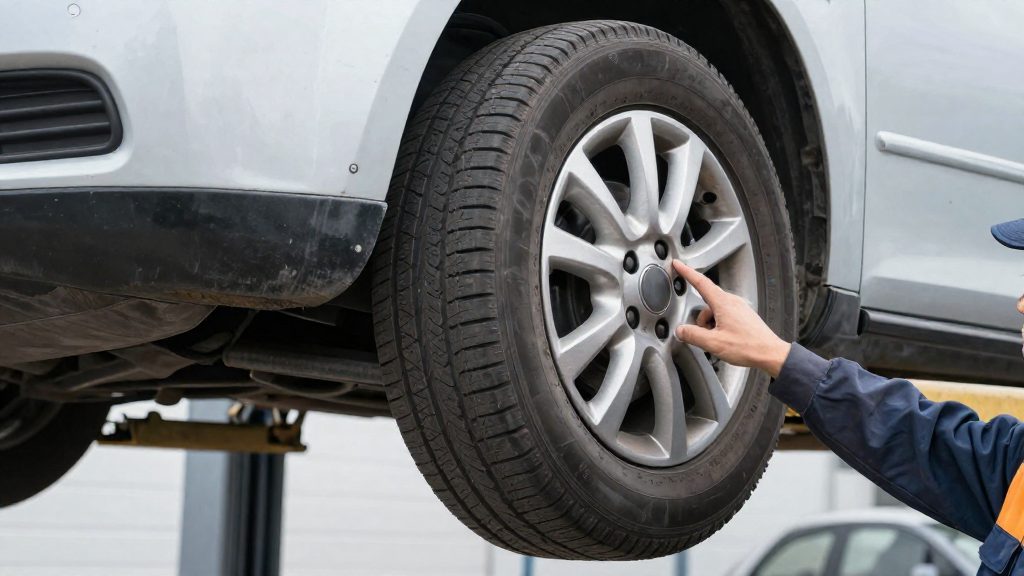
A pattern matters more than a single entry. If the same part, such as brake pads or a tyre, appears as an advisory across several tests, it is wearing over time, and you should expect to replace it soon. If that part has since failed, the repair is likely to be needed soon after you buy. Before buying, ask a qualified mechanic to inspect any item that has appeared repeatedly, and follow the maintenance instructions in the manufacturer’s handbook for its replacement interval.
When is the first MOT due, and when can you book the next one?
A vehicle usually needs its first MOT by the third anniversary of its registration. After that, the MOT must be renewed by the expiry date on the certificate.
You can take an MOT up to a month minus a day before the current one runs out, and the renewal date stays the same. If you test earlier than that, the new expiry date becomes one year minus a day from the date of the pass. Booking early can therefore cost you months of validity, so check the expiry date before you book.
What should you do if the MOT has expired?
You cannot drive or park a vehicle on the road once its MOT has run out. The two exceptions are a journey to or from a place where the vehicle will be repaired, and a journey to a pre-arranged MOT test. Outside those trips, you can be fined up to £1,000 for driving without a valid MOT.
If the car has no valid MOT and you are unsure whether it can make the trip, plan to arrange a test in advance or have it transported to the test station. Do not rely on a short run to a nearby shop being safe, because the exceptions apply only to repair and testing journeys.
How do you use the MOT history before buying or repairing a car?
Start by matching the registration number and the V5C details with the car in front of you. Then read the past tests in order, looking for dangerous or major fails, repeated advisories and any gap in testing that may suggest the car was off the road for a time. A recorded dangerous or major defect should be followed by evidence that it was repaired and that the car passed again, so ask the seller for the garage invoice and the new test result.
Compare the recorded mileage across tests. A large unexplained drop or an oddly low increase is worth raising with the seller before you go further. Finally, check the recall information separately and ask a franchised dealer of the manufacturer whether any safety recall work remains open.
An MOT pass does not guarantee that a car is in good condition. It shows that the vehicle met the standard on the day of the test, and parts that are still wearing may need attention soon. Use the history as a starting point, then arrange an independent inspection before you buy.
Frequently asked questions
Does the MOT history show every repair a car has had?
No. It records the results of MOT tests, not the servicing or repairs carried out between them. Ask the seller for the service book and invoices for any major work.
Does a pass certificate mean the car is in good condition?
Not necessarily. A pass means the vehicle met the MOT standard on the test day. Wearing parts can still need attention soon, so an independent inspection is worthwhile before you buy.
What should I do if the history shows a recall I was never told about?
Use the separate recall checker on GOV.UK with the registration number, then contact a franchised dealer of the manufacturer to confirm whether the repair has been done and whether it is free of charge.